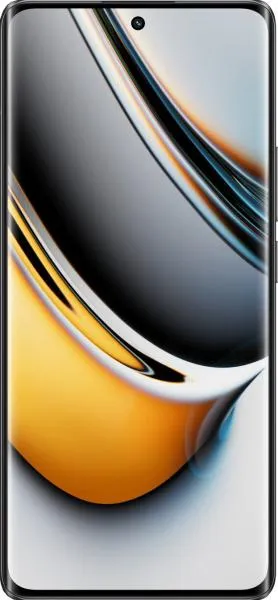

1. Specifications Comparison
| Feature | Realme 11 Pro | Xiaomi Redmi Note 13 Pro+ | Practical Impact |
|---|---|---|---|
| Design | |||
| Dimensions (mm) | 161.7 x 73.9 x 8.2 | 161.4 x 74.2 x 8.9 | Redmi is slightly wider and thicker. Negligible difference in daily use. |
| Weight (g) | 183 | 199 | Realme is noticeably lighter, improving one-handed use. |
| Display | |||
| Size (inches) | 6.7 | 6.67 | Virtually identical screen sizes. |
| Resolution | 1080 x 2412 | 1220 x 2712 | Redmi has a sharper display with higher pixel density, resulting in crisper text and images. |
| Type | AMOLED, 1B colors, 120Hz | AMOLED, 68B colors, 120Hz | Both offer smooth scrolling and vibrant colors. Redmi's 68B color depth offers a wider color gamut, potentially noticeable in professional photo/video editing. Redmi also boasts a significantly brighter display (1800 nits vs 950 nits), making it much more usable in direct sunlight. |
| Refresh Rate (Hz) | 120 | 120 | Both offer smooth scrolling and fluid animations. |
| HDR | HDR10+ | HDR10+, Dolby Vision | Both support HDR for enhanced video content. Redmi adds Dolby Vision support for even better dynamic range in compatible content. |
| Performance | |||
| Chipset | Mediatek Dimensity 7050 (6 nm) | Mediatek Dimensity 7200 Ultra (4 nm) | Redmi's 7200 Ultra, built on a smaller 4nm process, should provide significantly better performance and power efficiency. "Ultra" designation suggests further enhancements over the standard 7200. |
| CPU | Octa-core (2x2.6 GHz Cortex-A78 & 6x2.0 GHz Cortex-A55) | Octa-core (2x2.8 GHz Cortex-A715 & 6x2.0 GHz Cortex-A510) | Redmi's newer CPU architecture and higher clock speed should translate to faster app loading, smoother multitasking, and better gaming performance. |
| GPU | Mali-G68 MC4 | Mali-G610 MC4 | While both are Mali GPUs, architectural differences exist. Performance differences are unclear without benchmarks but the Dimensity 7200 Ultra likely has an edge due to its overall superior performance. |
| RAM | 8GB (as reviewed) | 8GB/12GB/16GB (various configurations) | Redmi offers configurations with more RAM, enabling better multitasking for power users. |
| Camera | |||
| Main Camera | 100MP (OmniVision) | 200MP (Samsung HP3) | Redmi has a higher resolution main sensor, potentially capturing more detail. Sensor size and other factors also impact image quality; practical differences need real-world comparisons. |
| Video | 4K@30fps | 4K@30fps | Both can record 4K video; Redmi boasts a slightly better slow-motion capability (240fps vs. unknown on the Realme, though it mentions 960fps at 720p). |
| Battery | |||
| Capacity (mAh) | 5000 | 5000 | Identical battery capacities. Real-world battery life depends on optimization and usage. |
2. Key Differences Analysis
Realme 11 Pro Advantages:
- Lighter Weight: More comfortable for extended use and one-handed operation.
- Lower Price: Generally more affordable, offering good value for its features.
Xiaomi Redmi Note 13 Pro+ Advantages:
- Significantly improved performance: The Dimensity 7200 Ultra provides a noticeable boost in speed and efficiency.
- Sharper Display: Higher resolution and pixel density lead to a more visually appealing experience.
- Brighter Display: Far superior outdoor visibility.
- Higher Resolution Main Camera: Potential for more detailed photos.
- Wider Color Gamut and Dolby Vision: Noticeably richer colors in supported content.
3. User Profiles & Recommendations
Realme 11 Pro:
- Budget-conscious users: Prioritize affordability without sacrificing essential features.
- Casual users: Primarily use their phone for social media, browsing, and light gaming.
Xiaomi Redmi Note 13 Pro+:
- Performance enthusiasts: Demand fast and smooth performance for demanding apps and games.
- Mobile photographers: Value a high-resolution camera and advanced features.
- Content consumers: Enjoy watching videos and playing games on a high-quality display.
4. Decision Framework
Key Questions for Buyers:
- What is your budget? The Realme 11 Pro is generally more affordable.
- How important is performance? The Redmi Note 13 Pro+ offers a significant performance advantage.
- What are your primary use cases? Consider whether you prioritize photography, gaming, content consumption, or general daily use.
My Choice: Xiaomi Redmi Note 13 Pro+
While the Realme 11 Pro offers good value, the Redmi Note 13 Pro+ is the superior device overall. The significant performance upgrade, sharper and brighter display, and potential for better camera quality make it a more compelling choice. The slightly higher price is justified by these substantial improvements. Specifically, the brighter display for outdoor use and the overall performance boost are key differentiators for me. Even if the price difference were larger, I'd still lean towards the Redmi Note 13 Pro+ due to the long-term benefits of a more powerful and future-proof device.
