1. Specifications Comparison
| Feature | Realme 11 Pro | Xiaomi Redmi Note 13 Pro 4G | Practical Impact |
|---|---|---|---|
| Design | |||
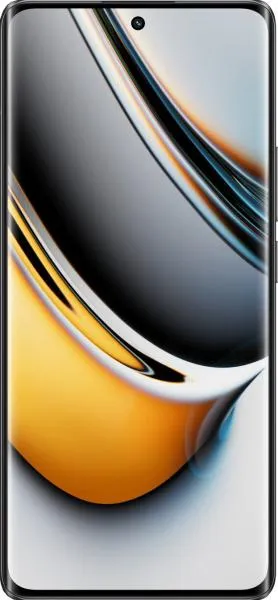
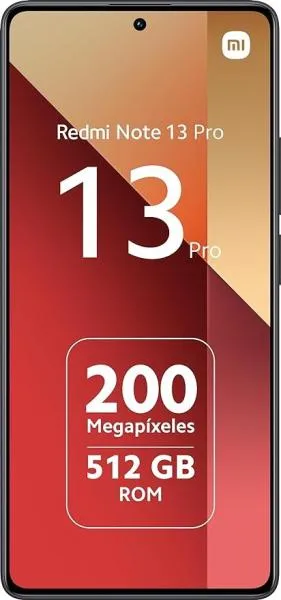
| Dimensions (mm) | 161.7 x 73.9 x 8.2 | 161.1 x 75 x 8 | Realme is slightly thinner and narrower. Negligible difference in daily use. |
| Weight (g) | 183 | 188 | Realme is slightly lighter, but the difference is minimal. |
| Display | |||
| Display Type | AMOLED | AMOLED | Both offer vibrant colors and deep blacks. |
| Size (inches) | 6.7 | 6.67 | Virtually identical screen sizes. |
| Resolution | 1080 x 2412 | 1080 x 2400 | Negligible resolution difference. Both are sharp. |
| Refresh Rate (Hz) | 120 | 120 | Both offer smooth scrolling and animations. |
| Peak Brightness (nits) | 950 | 1300 | Redmi Note 13 Pro offers significantly better outdoor visibility. |
| Performance | |||
| Chipset | Mediatek Dimensity 7050 | Mediatek Helio G99 Ultra | Dimensity 7050 generally performs better in benchmarks, offering smoother multitasking and gaming. |
| CPU | Octa-core (2x2.6 GHz A78 & 6x2.0 GHz A55) | Octa-core (2x2.2 GHz A76 & 6x2.0 GHz A55) | Realme likely has a slight edge in CPU performance due to faster cores. |
| GPU | Mali-G68 MC4 | Mali-G57 MC2 | Realme has a significantly more powerful GPU, resulting in better gaming performance. |
| RAM (GB) | 8/12 | 8/12 | Both offer ample RAM for multitasking. |
| Camera | |||
| Main Camera (MP) | 100 | 200 | Redmi boasts higher resolution, potentially capturing more detail. However, image quality depends on factors beyond resolution. |
| Sensor | Omnivision OVA0B40 | Samsung ISOCELL HP3 | Different sensor technologies. Real-world image quality comparison requires sample photos. |
| Video Recording | 4K@30fps, 1080p@120fps | 1080p@60fps | Realme offers superior video recording capabilities with higher resolution and frame rates. |
| Battery | |||
| Capacity (mAh) | 5000 | 5000 | Identical battery capacities. Actual battery life depends on usage and optimization. |
2. Key Differences Analysis
Realme 11 Pro Advantages:
- Superior GPU: Better gaming and graphics-intensive tasks.
- Better Video Recording: Higher resolution and frame rates.
- Slightly Faster CPU: Potentially smoother multitasking.
Xiaomi Redmi Note 13 Pro 4G Advantages:
- Brighter Display: Much better outdoor visibility.
- Higher Resolution Main Camera: Potentially more detailed photos (real-world comparison needed).
- Potentially Lower Price: Depending on specific configuration and retailer.
3. User Profiles & Recommendations
Realme 11 Pro: Suitable for users who prioritize gaming performance, smooth overall performance, and good video recording capabilities.
Xiaomi Redmi Note 13 Pro 4G: Best for users who prioritize outdoor visibility, a high-resolution main camera, and value for money.
4. Decision Framework
Key Questions for Buyers:
- Is gaming a priority? If yes, the Realme 11 Pro's superior GPU makes it a better choice.
- How important is outdoor visibility? If very important, the Redmi Note 13 Pro's brighter display is crucial.
- What is your budget? Compare prices for specific RAM/storage configurations.
My Choice: Realme 11 Pro
While the Redmi Note 13 Pro 4G has a brighter display and a higher resolution main camera on paper, the Realme 11 Pro's significantly better GPU and video recording capabilities are more compelling to me. I prioritize smooth performance and versatile content creation. The slightly faster CPU is also a plus. While the Redmi's brighter screen is attractive, I find the Realme's display adequate for most situations. The difference in camera resolution needs real-world comparison to assess actual image quality. Ultimately, the Realme 11 Pro offers a more well-rounded package for my needs.
