1. Specifications Comparison
| Feature | Realme 11 Pro | Xiaomi Redmi Note 13 | Practical Impact |
|---|---|---|---|
| Design | |||
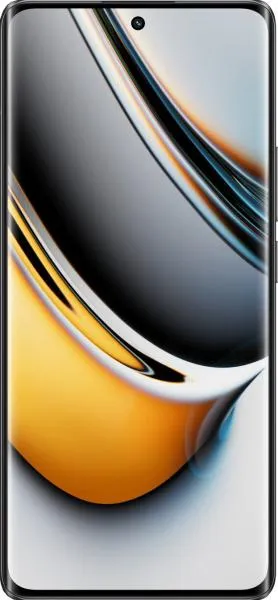
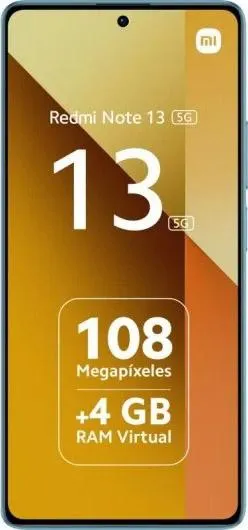
| Dimensions (mm) | 161.7 x 73.9 x 8.2 | 161.1 x 75.0 x 7.6 | Redmi Note 13 is slightly shorter, wider, and thinner. Negligible difference in everyday use. |
| Weight (g) | 183 | 174.5 | Redmi Note 13 is noticeably lighter, improving one-handed use and comfort. |
| Fingerprint Sensor | Under-display | Side-mounted | Preference-based. Under-display feels more modern, side-mounted can be faster to unlock. |
| Display | |||
| Size (inches) | 6.7 | 6.67 | Virtually identical screen sizes. |
| Resolution (px) | 1080 x 2412 | 1080 x 2400 | Negligible difference in sharpness. Both offer crisp visuals. |
| Refresh Rate (Hz) | 120 | 120 | Both offer smooth scrolling and animations. |
| Display Type | AMOLED, 1B colors, 950 nits (peak) | AMOLED, 1B colors, 1000 nits (peak) | Redmi Note 13 might be slightly brighter outdoors, but both offer vibrant colors and deep blacks thanks to AMOLED technology. |
| Performance | |||
| Chipset | Mediatek Dimensity 7050 (6 nm) | Mediatek Dimensity 6080 (6 nm) | Realme 11 Pro likely offers slightly better CPU performance due to higher clock speeds on performance cores (2.6 GHz vs 2.4 GHz). |
| CPU | Octa-core (2x2.6 GHz Cortex-A78 & 6x2.0 GHz Cortex-A55) | Octa-core (2x2.4 GHz Cortex-A76 & 6x2.0 GHz Cortex-A55) | While both utilize a mix of performance and efficiency cores, architectural differences make direct comparison difficult without benchmarks. |
| GPU | Mali-G68 MC4 | Mali-G57 MC2 | Realme 11 Pro has a significantly more powerful GPU, resulting in better gaming performance and smoother graphics rendering. |
| RAM (GB) | 8/12 | 8/12 | Both offer ample RAM for multitasking. |
| Camera | |||
| Main Camera (MP) | 100 | 108 | Both offer high-resolution main cameras. Image quality will depend more on sensor and software processing. Direct comparison requires camera samples. |
| Video Recording | Up to 4K@30fps with EIS | Up to 1080p@30fps | Realme 11 Pro offers significantly better video recording capabilities, including 4K resolution and better stabilization (EIS). |
| Battery | |||
| Capacity (mAh) | 5000 | 5000 | Identical battery capacities. Actual battery life depends on usage patterns and software optimization. |
2. Key Differences Analysis
Realme 11 Pro Advantages:
- Superior GPU: Provides a significantly better gaming and graphics experience.
- Better Video Recording: Offers 4K recording and improved stabilization.
- Slightly Faster CPU: Potentially offers quicker app loading and smoother multitasking.
Xiaomi Redmi Note 13 Advantages:
- Lower Price: Offers a more budget-friendly option.
- Lighter Weight: More comfortable for extended use.
- Potentially Brighter Display: Might be easier to view outdoors in direct sunlight. (Needs confirmation as Redmi Note 13 peak brightness is not specified)
3. User Profiles & Recommendations
Realme 11 Pro: Users who prioritize gaming, multimedia consumption (especially video recording), and slightly smoother overall performance.
Xiaomi Redmi Note 13: Budget-conscious users who prioritize everyday tasks, social media, and light gaming.
4. Decision Framework
Key Questions for Buyers:
- What is your budget? The Redmi Note 13 offers better value for the price.
- Is gaming performance a priority? The Realme 11 Pro's superior GPU makes it the clear winner for gamers.
- How important is video recording quality? The Realme 11 Pro's 4K recording capability is a significant advantage.
My Choice:
I would choose the Realme 11 Pro. While slightly more expensive, the significantly better GPU and video recording capabilities are important to me. The performance difference, particularly in gaming, justifies the price premium. The lighter weight of the Redmi Note 13 is tempting, but the superior performance and features of the Realme 11 Pro outweigh that for my personal use. I often play mobile games and record videos, making the Realme 11 Pro a better fit for my needs.
