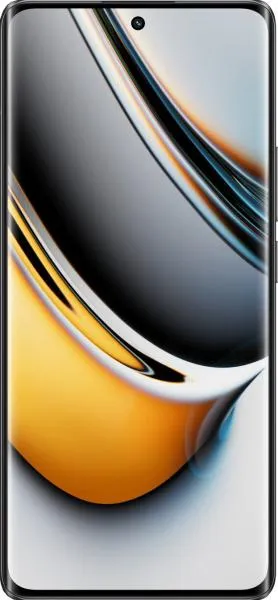
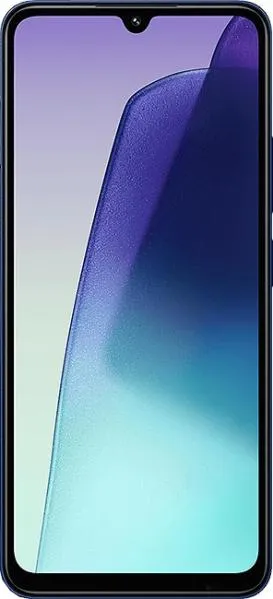
1. Specifications Comparison
| Feature | Realme 11 Pro | Xiaomi Redmi 14C | Practical Impact |
|---|---|---|---|
| Design | |||
| Dimensions (mm) | 161.7 x 73.9 x 8.2 | 171.9 x 77.8 x 8.2 | Redmi 14C is noticeably larger and potentially less comfortable for one-handed use. |
| Weight (g) | 183 | 211 | Realme 11 Pro is significantly lighter, reducing hand fatigue during extended use. |
| Build | Missing | Missing | Build quality and materials impact durability and premium feel; information is lacking for comparison. |
| Display | |||
| Display Type | AMOLED, 120Hz | IPS LCD, 120Hz | Realme's AMOLED offers superior contrast, deeper blacks, and vibrant colors. Both have smooth 120Hz refresh rates for fluid scrolling and animations. |
| Resolution | 1080 x 2412 | 720 x 1640 | Realme 11 Pro has a much sharper display with significantly higher pixel density (394 ppi vs 260 ppi), resulting in crisper text and images. |
| Peak Brightness | 950 nits | 600 nits | Realme 11 Pro will be significantly more visible in direct sunlight. |
| Color Depth | 1B colors | Missing | Realme supports 1 billion colors, providing smoother color gradients and more lifelike visuals. Redmi 14C's color depth is unknown. |
| Performance | |||
| Chipset | Mediatek Dimensity 7050 (6 nm) | Mediatek Helio G81 Ultra | Dimensity 7050 generally offers better performance and efficiency due to its more advanced manufacturing process and CPU architecture. |
| CPU | Octa-core (2x2.6 GHz A78 & 6x2.0 GHz A55) | Octa-core (2x2.0 GHz A75 & 6x1.8 GHz A55) | Realme 11 Pro boasts faster and more powerful CPU cores, leading to smoother multitasking and quicker app loading. |
| GPU | Mali-G68 MC4 | Mali-G52 MC2 | Realme's GPU is significantly more powerful, enabling better gaming performance and smoother graphics rendering. |
| RAM | 8GB/12GB | 4GB/6GB/8GB | Realme offers higher RAM configurations, benefitting heavy multitasking and demanding applications. |
| Camera | |||
| Main Camera | 100MP (OVA0B40) | 50MP | While megapixels aren't everything, the Realme likely captures more detail. The specific sensor model for Redmi is unknown, limiting detailed comparison. |
| Secondary Cameras | 2MP Macro, 16MP Selfie | 0.8MP unspecified, 13MP Selfie | Realme has a higher resolution front camera for potentially better selfies. The 0.8MP secondary camera on the Redmi is of unclear purpose and utility. |
| Video Recording | 4K@30fps, 1080p@120fps | 1080p@30fps | Realme offers significantly better video recording capabilities with higher resolution and frame rate options. |
| Battery | |||
| Capacity | 5000 mAh | 5160 mAh | Redmi 14C has a slightly larger battery, potentially offering slightly longer battery life. Actual usage will depend on software optimization. |
2. Key Differences Analysis
Realme 11 Pro Advantages:
- Superior Display: AMOLED with higher resolution, brightness, and color depth.
- Significantly Better Performance: More powerful CPU and GPU for smoother operation and gaming.
- Enhanced Camera System: Higher resolution main and selfie cameras, better video recording capabilities.
- Lighter and More Compact: Easier to handle and carry.
Xiaomi Redmi 14C Advantages:
- Slightly Larger Battery: Potentially longer battery life.
- Lower Price: Offers a more budget-friendly option. (Based on provided pricing data)
3. User Profiles & Recommendations
Realme 11 Pro: Users who prioritize display quality, performance, camera capabilities, and a premium feel. Suitable for gaming, content consumption, photography, and multitasking.
Xiaomi Redmi 14C: Budget-conscious users who primarily need a large display for basic tasks like browsing, social media, and communication. Battery life is a key consideration.
4. Decision Framework
Key Questions for Buyers:
- What is your budget? The Redmi 14C is significantly cheaper.
- What are your primary use cases? Gaming and content consumption favor the Realme 11 Pro.
- Which features are most important to you? Prioritize display, performance, and camera for Realme; battery life and affordability for Redmi.
My Choice: Realme 11 Pro
While the Redmi 14C offers a larger battery and lower price, the Realme 11 Pro provides a significantly better overall user experience. The superior display, vastly improved performance, and more capable camera system outweigh the minor battery advantage and price difference for me. The lighter and more compact design is also a plus. In practical terms, the Realme 11 Pro will feel noticeably faster, smoother, and more enjoyable to use in most scenarios. The investment in the better hardware would likely provide more long-term satisfaction.
