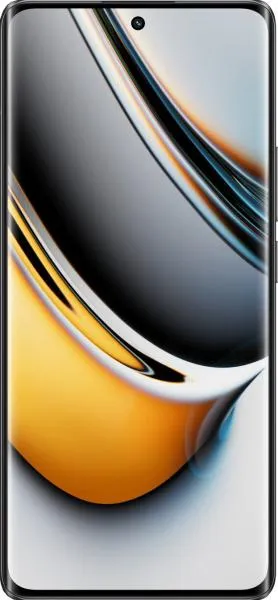

1. Specifications Comparison
| Feature | Realme 11 Pro | Xiaomi Poco X6 Pro | Practical Impact | |
|---|---|---|---|---|
| Design | ||||
| Dimensions (mm) | 161.7 x 73.9 x 8.2 | 160.5 x 74.3 x 8.3 | Negligible size difference; both are large phones. | |
| Weight (g) | 183 | 186 | Virtually identical weight; both feel substantial in hand. | |
| Display | ||||
| Size (inches) | 6.7 | 6.67 | Negligible size difference. | |
| Resolution (px) | 1080 x 2412 | 1220 x 2712 | Poco X6 Pro has a sharper display with higher pixel density (446 ppi vs 394 ppi), resulting in crisper text and images. | |
| Type | AMOLED | AMOLED | Both offer vibrant colors and deep blacks. | |
| Refresh Rate (Hz) | 120 | 120 | Both provide smooth scrolling and animations. | |
| Color Depth | 1B | 68B | Poco X6 Pro supports a wider color gamut, offering more accurate and nuanced color reproduction, especially noticeable in media consumption. | |
| Peak Brightness | 950 nits | 1800 nits | Poco X6 Pro gets significantly brighter, ensuring better visibility outdoors. | |
| HDR | HDR10+ | HDR10+, Dolby Vision | Poco X6 Pro supports Dolby Vision, potentially offering a better HDR experience in supported content. | |
| Performance | ||||
| Chipset | Dimensity 7050 (6 nm) | Dimensity 8300 Ultra (4 nm) | Poco X6 Pro has a significantly more powerful and efficient processor, resulting in smoother performance and better battery life. | |
| CPU | Octa-core (2x2.6 GHz A78 & 6x2.0 GHz A55) | Octa-core (1x3.35 GHz A715 & 3x3.2 GHz A715 & 4x2.2 GHz A510) | Poco X6 Pro boasts faster and more modern CPU architecture, translating to superior multi-tasking and demanding applications. | |
| GPU | Mali-G68 MC4 | Mali G615-MC6 | The GPU in the Poco X6 pro may offer some performance improvements particularly noticeable in gaming. | |
| RAM | 8GB/12GB | 12GB | Poco X6 Pro offers more RAM in the compared variant, beneficial for heavy multitasking. Realme also has a 12GB RAM variant. | |
| Camera | ||||
| Main Camera (MP) | 100 MP | 64 MP | Realme has a higher resolution sensor; Poco X6 Pro utilizes a potentially larger sensor with improved low-light performance. | |
| Battery | ||||
| Capacity (mAh) | 5000 | 5000 | Identical battery capacity. Real-world battery life will depend on optimization and usage. |
2. Key Differences Analysis
Realme 11 Pro Advantages:
- Higher resolution main camera: Offers potentially more detailed photos.
Xiaomi Poco X6 Pro Advantages:
- Significantly more powerful processor: Results in a smoother user experience, especially for demanding tasks and gaming.
- Sharper and brighter display: Provides a more enjoyable media consumption experience.
- Wider color gamut: Offers more accurate color representation.
- Dolby Vision support: Enhances HDR video playback quality.
- More RAM in compared variant: Enables smoother multitasking and better handling of demanding apps.
3. User Profiles & Recommendations
Realme 11 Pro:
- Budget-conscious users: Prioritize a decent camera and overall performance at a lower price point.
- Casual users: Primarily use their phone for social media, browsing, and light tasks.
Xiaomi Poco X6 Pro:
- Power users: Demand top-tier performance for gaming, multitasking, and demanding applications.
- Media enthusiasts: Prioritize a high-quality display for watching videos and playing games.
- Photography enthusiasts: Value a versatile camera system with good low-light performance (although specific sensor details need clarification).
4. Decision Framework
Key Questions for Buyers:
- What is your budget? The Poco X6 Pro is generally more expensive.
- What are your primary use cases? (Gaming, photography, media consumption, etc.)
- How important is raw performance vs. camera resolution?
Scenario-Based Recommendations:
- Limited budget, casual usage: Realme 11 Pro
- Demanding tasks, gaming, media consumption: Xiaomi Poco X6 Pro
My Choice: Xiaomi Poco X6 Pro
While the Realme 11 Pro offers a higher resolution main camera, the Xiaomi Poco X6 Pro provides a significantly superior overall package. The much more powerful processor, sharper and brighter display with wider color gamut and Dolby Vision, and larger RAM in the compared variant make it a more future-proof and enjoyable device to use. The potential for better low-light camera performance despite lower resolution on the Poco X6 Pro further strengthens its position. The price difference is justified by the substantial performance and display upgrades. For my needs, prioritizing a smooth, responsive user experience and a high-quality display outweighs the benefit of a slightly higher resolution main camera.
