1. Specifications Comparison
| Feature | Realme 11 Pro | Xiaomi Poco M6 4G | Practical Impact |
|---|---|---|---|
| Design | |||
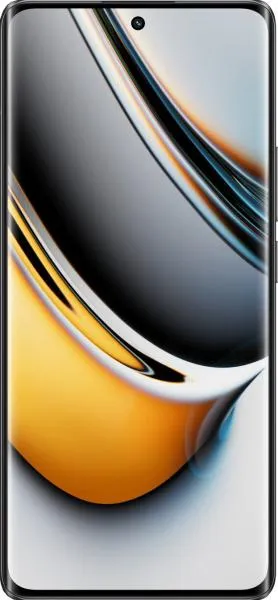
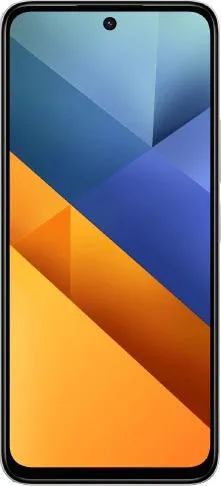
| Dimensions (mm) | 161.7 x 73.9 x 8.2 | 168.6 x 76.3 x 8.3 | Poco M6 is slightly larger and heavier. |
| Weight (g) | 183 | 205 | Realme 11 Pro feels noticeably lighter in hand, improving one-handed use. |
| Fingerprint Sensor | Under display | Side-mounted | Preference-based; under-display feels more modern, side-mounted can be faster to access. |
| Display | |||
| Display Type | AMOLED | IPS LCD | Realme's AMOLED offers deeper blacks, richer colors, and better power efficiency in dark mode. |
| Display Size (inches) | 6.7 | 6.79 | Negligible size difference in real-world usage. |
| Resolution (px) | 1080 x 2412 | 1080 x 2460 | Virtually identical sharpness. |
| Refresh Rate (Hz) | 120 | 90 | Realme 11 Pro provides a smoother scrolling and animation experience. |
| Peak Brightness (nits) | 950 | 550 (HBM) | Realme 11 Pro is significantly brighter, ensuring better outdoor visibility. |
| Performance | |||
| Chipset | Mediatek Dimensity 7050 (6 nm) | Mediatek Helio G91 Ultra (12 nm) | Dimensity 7050 is built on a smaller node, likely resulting in better power efficiency. Performance differences need further benchmarking. |
| CPU | Octa-core (2x2.6 GHz Cortex-A78 & 6x2.0 GHz Cortex-A55) | Octa-core (2x2.0 GHz Cortex-A75 & 6x1.8 GHz Cortex-A55) | Realme 11 Pro likely has a performance advantage due to faster prime cores (Cortex-A78 vs A75) and higher clock speeds. |
| GPU | Mali-G68 MC4 | Mali-G52 MC2 | Realme 11 Pro likely offers better gaming performance due to a more powerful GPU. |
| RAM (GB) | 8/12 | 6/8 | More RAM options available for Realme 11 Pro allowing for better multitasking. |
| Camera | |||
| Main Camera (MP) | 100 | 108 | Higher megapixel count doesn't necessarily equate to better image quality; sensor size and processing are crucial. Detailed camera reviews are needed for accurate comparison. |
| Selfie Camera (MP) | 16 | 13 | Realme has a slightly higher resolution front-facing camera. |
| Video Recording | Up to 4K@30fps with EIS | Up to 1080p@30fps | Realme 11 Pro supports higher resolution video recording and likely has better stabilization. |
| Battery | |||
| Capacity (mAh) | 5000 | 5030 | Negligible difference in battery capacity. Realme's AMOLED and efficient chipset could result in longer battery life. |
2. Key Differences Analysis
Realme 11 Pro Advantages:
- Superior Display: AMOLED with 120Hz refresh rate offers a significantly better visual experience.
- Likely Performance Advantage: More powerful CPU and GPU should translate to smoother performance in demanding tasks and games.
- More Premium Design: Lighter and slimmer with an under-display fingerprint sensor.
- Higher Resolution Video Recording: Supports 4K recording.
Xiaomi Poco M6 4G Advantages:
- Lower Price: Positioned in the low price range, offering greater affordability.
- Slightly Larger Display: Minimal difference but could be preferred by some users.
Trade-offs:
- Realme 11 Pro: Higher price for premium features.
- Xiaomi Poco M6 4G: Compromises on display quality, performance, and video recording capabilities for affordability.
3. User Profiles & Recommendations
Realme 11 Pro: Users who prioritize display quality, performance, and overall premium experience. Suitable for:
- Mobile gamers
- Content consumers (video streaming, social media)
- Users who value a smooth and responsive UI
Xiaomi Poco M6 4G: Budget-conscious users who prioritize basic functionality and affordability over premium features. Suitable for:
- Casual users primarily focused on calling, texting, and web browsing.
- Users seeking a large screen on a tight budget.
4. Decision Framework
Key Questions for Buyers:
- What is your budget? The Poco M6 4G is significantly more affordable.
- How important is display quality and performance? The Realme 11 Pro excels in these areas.
- What are your primary smartphone usage patterns? Consider your daily tasks and entertainment needs.
My Choice: Realme 11 Pro
While the Poco M6 4G offers good value for its price, the Realme 11 Pro's superior display, performance, and overall more refined experience make it the better choice for me. The 120Hz AMOLED screen, combined with the likely performance advantage of the Dimensity 7050, would provide a significantly more enjoyable daily usage experience. I prioritize a smooth and responsive UI, and the Realme 11 Pro is better equipped to deliver that. While the price difference is notable, the long-term benefits of a better display and performance outweigh the initial cost for my personal preferences. The lighter weight and slimmer profile also contribute to a more comfortable handling experience.
