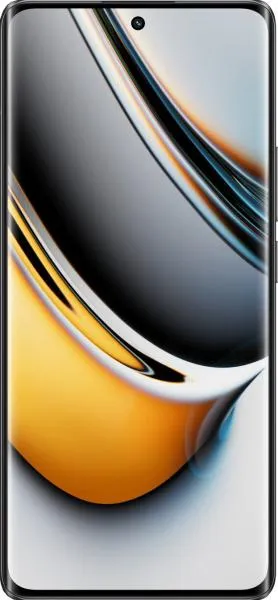
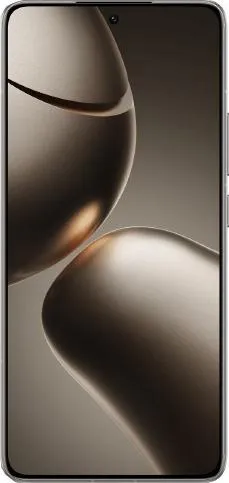
1. Specifications Comparison
| Feature | Realme 11 Pro | Xiaomi 14T Pro | Practical Impact |
|---|---|---|---|
| Design | |||
| Dimensions (mm) | 161.7 x 73.9 x 8.2 | 160.4 x 75.1 x 8.4 | Xiaomi 14T Pro is slightly shorter, wider, and thicker. Negligible difference in everyday use. |
| Weight (g) | 183 | 209 | Realme 11 Pro is noticeably lighter, more comfortable for extended use. |
| Display | |||
| Size (inches) | 6.7 | 6.67 | Virtually identical screen sizes. |
| Resolution (px) | 1080 x 2412 | 1220 x 2712 | Xiaomi 14T Pro has a sharper display with higher pixel density (446 ppi vs 394 ppi), resulting in crisper text and images. |
| Refresh Rate (Hz) | 120 | 144 | Xiaomi 14T Pro offers smoother animations and scrolling with its higher refresh rate. Noticeable in fast-paced games and UI interactions. |
| Display Type | AMOLED, 1B colors | AMOLED, 68B colors | Xiaomi 14T Pro supports a significantly wider color gamut, resulting in more vibrant and accurate colors, especially noticeable when viewing HDR content. Xiaomi also boasts a much higher peak brightness. |
| HDR | HDR10+ | HDR10+, Dolby Vision | Xiaomi 14T Pro supports Dolby Vision, leading to a better HDR experience in compatible content. |
| Performance | |||
| Chipset | Mediatek Dimensity 7050 (6 nm) | Mediatek Dimensity 9300+ (4 nm) | Xiaomi 14T Pro has a significantly more powerful processor built on a smaller node, resulting in much faster performance and better power efficiency. |
| CPU | Octa-core (2x2.6 GHz A78 & 6x2.0 GHz A55) | Octa-core (1x3.4 GHz X4 & 3x2.85 GHz X4 & 4x2.0 GHz A720) | The Xiaomi 14T Pro's CPU architecture is newer and more powerful, offering substantial performance gains in demanding tasks and multitasking. |
| GPU | Mali-G68 MC4 | Immortalis-G720 MC12 | Xiaomi 14T Pro features a considerably more powerful GPU, translating to significantly improved gaming performance and smoother graphics rendering. |
| RAM (GB) | 8 | 12 | Xiaomi 14T Pro offers more RAM, enabling better multitasking and preventing apps from closing in the background. |
| Camera | |||
| Main Camera (MP) | 100 | 50 | Realme has a higher megapixel count, but sensor size and other factors also heavily influence image quality. We cannot definitively conclude which camera is superior based solely on megapixels. Xiaomi utilizes a larger sensor. |
| Video Recording | 4K@30fps | 8K@30fps | Xiaomi 14T Pro can record video at a much higher resolution. |
| Battery | |||
| Capacity (mAh) | 5000 | 5000 | Identical battery capacities. However, due to the more efficient processor, expect better battery life from the Xiaomi. |
2. Key Differences Analysis
Xiaomi 14T Pro Advantages:
- Significantly more powerful: The Dimensity 9300+ chipset and more RAM offer a huge performance advantage for demanding tasks and gaming.
- Superior display: Higher resolution, refresh rate, wider color gamut, and Dolby Vision support create a noticeably better visual experience.
- Higher resolution video recording: 8K video recording capability.
- More future-proof: Newer hardware and Wi-Fi 7 support ensure longevity.
Realme 11 Pro Advantages:
- Lighter and more comfortable to hold: Noticeably lower weight.
- Lower price: Offers good value for its price range.
3. User Profiles & Recommendations
Realme 11 Pro: Suitable for budget-conscious users who prioritize a lightweight phone for everyday tasks like social media, browsing, and casual photography. Not recommended for demanding gamers or power users.
Xiaomi 14T Pro: Ideal for users who demand top-tier performance, a stunning display, and cutting-edge features. Excellent for mobile gamers, content creators, and those who want the best possible smartphone experience.
4. Decision Framework
Key Questions:
- What is your budget? The Xiaomi 14T Pro is significantly more expensive.
- What are your primary use cases? For basic tasks, the Realme 11 Pro might suffice. For demanding tasks and gaming, the Xiaomi 14T Pro is necessary.
- How important are display quality and camera capabilities? The Xiaomi 14T Pro offers a superior visual experience.
My Choice: Xiaomi 14T Pro
While significantly more expensive, the Xiaomi 14T Pro offers a substantial leap in performance, a superior display, and more future-proof features. The difference in chipset, RAM, and display quality alone justifies the price premium for me, as I prioritize a smooth and enjoyable user experience. The lighter weight of the Realme 11 Pro is tempting, but the performance difference is too significant to ignore. The Xiaomi 14T Pro is a better long-term investment due to its advanced technology.
