1. Specifications Comparison
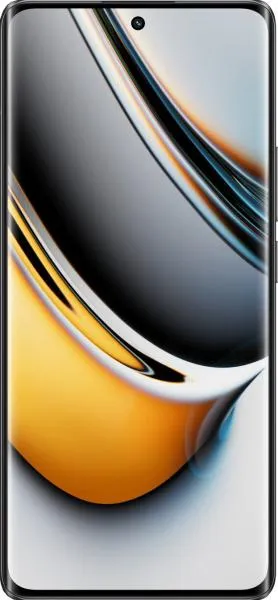
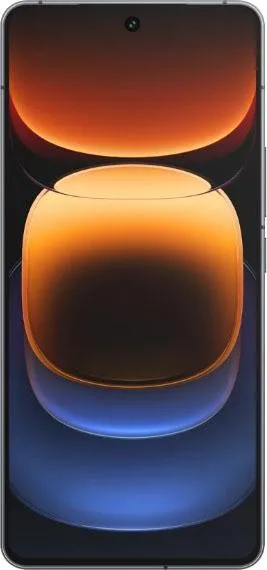
| Feature | Realme 11 Pro | vivo iQOO 12 | Practical Impact |
|---|---|---|---|
| Design | |||
| Dimensions (mm) | 161.7 x 73.9 x 8.2 | 163.2 x 75.9 x 8.1 | iQOO 12 slightly larger and heavier. Realme 11 Pro might feel more comfortable for one-handed use. |
| Weight (g) | 183 | 198.5 | Noticeable weight difference; iQOO 12 feels more substantial, potentially more premium, but less comfortable for extended use. |
| Display | |||
| Display Size (inches) | 6.7 | 6.78 | Negligible difference in screen real estate. |
| Resolution | 1080 x 2412 | 1260 x 2800 | iQOO 12 has a sharper, more detailed display due to higher resolution. Noticeable when viewing high-resolution images or videos. |
| Refresh Rate (Hz) | 120 | 144 | iQOO 12 offers smoother scrolling and animations, especially noticeable in fast-paced games. |
| Peak Brightness (nits) | 950 | 3000 | iQOO 12 significantly brighter, ensuring better visibility in direct sunlight. |
| Display Type | AMOLED | LTPO AMOLED | iQOO 12's LTPO panel allows for dynamic refresh rate adjustment, potentially saving battery life. |
| Performance | |||
| Chipset | Mediatek Dimensity 7050 (6 nm) | Qualcomm Snapdragon 8 Gen 3 (4 nm) | iQOO 12 boasts significantly superior processing power, enabling smoother multitasking, faster app loading, and better gaming performance. |
| CPU | Octa-core (2x2.6 GHz Cortex-A78 & 6x2.0 GHz Cortex-A55) | Octa-core (1x3.3 GHz Cortex-X4 & 3x3.2 GHz Cortex-A720 & 2x3.0 GHz Cortex-A720 & 2x2.3 GHz Cortex-A520) | iQOO 12's CPU architecture is more powerful and efficient. |
| GPU | Mali-G68 MC4 | Adreno 750 | iQOO 12's Adreno 750 GPU delivers a substantial leap in graphics performance, crucial for demanding games and graphic-intensive applications. |
| RAM | 8GB | 16GB | iQOO 12 has double the RAM, allowing for significantly more apps to run in the background without performance degradation. |
| Camera | |||
| Main Camera (MP) | 100 | 50 | While Realme 11 Pro has higher megapixel count, sensor size and other factors contribute more to image quality. iQOO 12 features a larger sensor (1/1.3") enabling better low-light performance. |
| Camera Features | Dual Camera | Triple Camera with Telephoto and Wide Angle | iQOO 12 offers greater versatility with its triple camera setup, including a dedicated telephoto lens for optical zoom and a wide-angle lens for broader perspectives. |
| Battery | |||
| Capacity (mAh) | 5000 | 5000 | Similar battery capacity, but iQOO 12's more efficient processor might translate to better battery life despite the higher refresh rate display. |
2. Key Differences Analysis
Realme 11 Pro Advantages:
- More Compact and Lighter: Easier for one-handed use and carrying.
- Lower Price: Offers good value for its features.
vivo iQOO 12 Advantages:
- Significantly More Powerful: Superior performance in all aspects.
- Sharper and Brighter Display: Enhanced visual experience.
- More Versatile Camera System: Offers telephoto and wide-angle capabilities.
- More RAM: Superior multitasking capabilities.
3. User Profiles & Recommendations
Realme 11 Pro: Suitable for users on a budget who prioritize a lightweight and compact phone for everyday tasks like social media, browsing, and casual photography.
vivo iQOO 12: Ideal for power users, gamers, and photography enthusiasts who demand top-tier performance, a stunning display, and a versatile camera system.
4. Decision Framework
Key Questions:
- What is your budget? The iQOO 12 is considerably more expensive.
- What are your primary use cases? Gaming, demanding apps, and photography benefit from the iQOO 12's superior performance.
- Do you prioritize portability? The Realme 11 Pro is smaller and lighter.
My Choice: vivo iQOO 12
While the Realme 11 Pro offers good value, the vivo iQOO 12's superior performance, display, and camera system are compelling. The Snapdragon 8 Gen 3, coupled with 16GB RAM and a 144Hz LTPO AMOLED display, provides a significantly smoother and more responsive user experience. The added versatility of the triple camera system, especially the telephoto lens, makes it a more compelling option for photography enthusiasts. Although the price difference is substantial, the iQOO 12 offers a significant upgrade in almost every aspect, making it a worthwhile investment for a power user. The slightly larger size and weight are acceptable trade-offs for the significant performance gains.
