1. Specifications Comparison
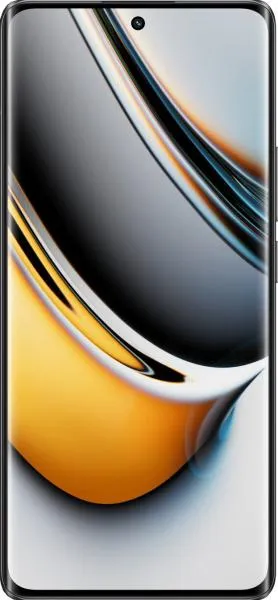
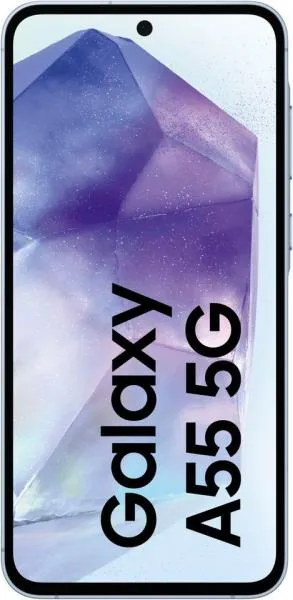
| Feature | Realme 11 Pro | Samsung Galaxy A55 | Practical Impact |
|---|---|---|---|
| Design | |||
| Dimensions (mm) | 161.7 x 73.9 x 8.2 | 161.1 x 77.4 x 8.2 | Realme 11 Pro is slightly taller and narrower, potentially offering a better one-handed grip for some users. A55 is wider. |
| Weight (g) | 183 | 213 | Realme 11 Pro is significantly lighter, reducing hand fatigue during extended use. |
| Display | |||
| Display Type | AMOLED, 120Hz | Super AMOLED, 120Hz | Both offer smooth scrolling and animations thanks to the 120Hz refresh rate. Super AMOLED generally offers slightly better contrast and outdoor visibility. |
| Display Size (inches) | 6.7 | 6.6 | Negligible difference in screen real estate. |
| Resolution | 1080 x 2412 | 1080 x 2340 | Virtually identical pixel density, resulting in sharp visuals on both. |
| Peak Brightness (nits) | 950 | Not specified, but listed as 1000 nits (HBM) | While both should be bright enough for indoor use, the potential higher peak brightness on the A55 might offer better visibility in direct sunlight. Realme specifies typical brightness, while Samsung specifies High Brightness Mode (HBM) brightness, making direct comparison difficult. |
| Performance | |||
| Chipset | Mediatek Dimensity 7050 (6nm) | Exynos 1480 (4nm) | A55's 4nm process suggests better power efficiency and potentially better performance than the Realme's 6nm chipset. |
| CPU | Octa-core (2x2.6 GHz Cortex-A78 & 6x2.0 GHz Cortex-A55) | Octa-core (4x2.75 GHz Cortex-A78 & 4x2.0 GHz Cortex-A55) | The A55 has two more high-performance cores clocked at a higher speed, indicating a potential advantage in demanding tasks and multitasking. |
| GPU | Mali-G68 MC4 | Xclipse 530 | Difficult to compare directly without benchmarks. Xclipse 530 is newer and benefits from the 4nm process, suggesting potentially better gaming performance. |
| RAM | 8GB | 8GB | Both offer ample RAM for smooth multitasking. 12GB option available for both. |
| Camera | |||
| Main Camera | 100MP | 50MP | Realme boasts higher resolution, but megapixel count doesn't guarantee better image quality. A55 uses the reputable Sony IMX906 sensor, known for good low-light performance. |
| Ultrawide | Not specified | 13MP | A55 offers ultrawide capabilities for capturing wider scenes, a feature missing on the Realme (based on the provided data). |
| Selfie Camera | 16MP | 32MP | The A55 has a higher resolution selfie camera. |
| Battery | |||
| Capacity | 5000 mAh | 5000 mAh | Identical battery capacity, expected battery life would depend more on software optimization and chipset efficiency. |
2. Key Differences Analysis
Realme 11 Pro Advantages:
- Lighter and potentially more ergonomic: Noticeably lighter, making it more comfortable for extended use.
- Higher resolution main camera: Potentially more detailed photos, though real-world performance depends on other factors. Lack of clarity regarding Optical Image Stabilisation on the 108MP lens.
Samsung Galaxy A55 Advantages:
- More powerful and efficient processor: The 4nm Exynos 1480 likely outperforms the Dimensity 7050 in both performance and power efficiency.
- Ultrawide camera: Adds versatility for landscape and group photos.
- Higher resolution selfie camera: Better for video calls and self-portraits.
- Longer software support: Samsung generally provides longer OS and security updates than Realme.
3. User Profiles & Recommendations
Realme 11 Pro: Users prioritizing a lightweight design, a high-resolution main camera, and a more affordable price point. Suitable for casual photography, social media, and everyday tasks.
Samsung Galaxy A55: Users prioritizing performance, longer software updates, a versatile camera system (with ultrawide), and better potential for gaming. Suitable for demanding tasks, mobile gaming, and those who value software updates.
4. Decision Framework
Key Questions for Buyers:
- How important is long-term software support? Samsung generally provides longer updates.
- Is raw camera resolution or overall camera versatility more important? Realme has a higher resolution main camera, while Samsung offers an ultrawide lens.
- What is your budget and performance requirement? The A55 is likely more expensive but offers a more powerful processor.
Scenario-Based Recommendations:
- Limited budget, casual user: Realme 11 Pro.
- Power user, gamer, photographer seeking versatility: Samsung Galaxy A55.
My Choice: Samsung Galaxy A55
While the Realme 11 Pro offers a compelling lightweight design and a high-resolution main camera, the Samsung Galaxy A55 is my choice. The superior performance of the Exynos 1480, the inclusion of an ultrawide lens, the longer software support commitment from Samsung, and the higher resolution selfie camera outweigh the Realme's advantages for me. The slightly higher price is justified by the overall better package offered by the A55, especially for long-term use. The 4nm process, promising better battery efficiency, is also a significant factor in my decision.
