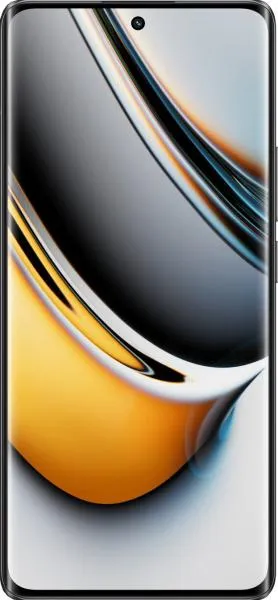
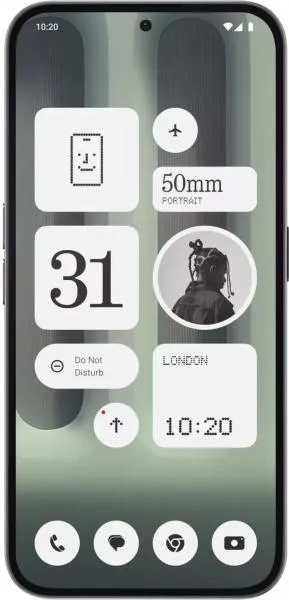
1. Specifications Comparison
| Feature | Realme 11 Pro | Nothing Phone (2a) Plus | Practical Impact |
|---|---|---|---|
| Design | |||
| Dimensions (mm) | 161.7 x 73.9 x 8.2 | 161.7 x 76.3 x 8.5 | Nothing Phone (2a) Plus is slightly wider and thicker. |
| Weight (g) | 183 | 190 | Realme 11 Pro is noticeably lighter, enhancing one-handed usability. |
| Display | |||
| Display Type | AMOLED | AMOLED | Both offer vibrant colors and deep blacks. |
| Size (inches) | 6.7 | 6.7 | Identical screen sizes. |
| Resolution | 1080 x 2412 | 1084 x 2412 | Virtually identical resolutions, resulting in similar sharpness. |
| Refresh Rate (Hz) | 120 | 120 | Both offer smooth scrolling and animations. |
| Peak Brightness (nits) | 950 | 1300 | Nothing Phone (2a) Plus offers significantly higher peak brightness, improving outdoor visibility. |
| Performance | |||
| Chipset | Mediatek Dimensity 7050 (6 nm) | Mediatek Dimensity 7350 Pro (4 nm) | Nothing Phone (2a) Plus likely offers better performance and efficiency due to the smaller process node and newer architecture in the Dimensity 7350 Pro. |
| CPU | Octa-core (2x2.6 GHz Cortex-A78 & 6x2.0 GHz Cortex-A55) | Octa-core (2x3.0 GHz Cortex-A715 & 6x 2.0 GHz Cortex-A510) | Nothing Phone (2a) Plus has a faster CPU clock speed and more modern CPU core architecture, translating to smoother multitasking and faster app loading. |
| GPU | Mali-G68 MC4 | Mali-G610 MC4 | Difficult to compare directly without benchmark scores, but the Mali-G610 MC4 in the Nothing Phone could potentially offer slightly improved graphics performance. |
| RAM | 8GB/12GB | 12GB | The Nothing Phone (2a) Plus offers more RAM in this comparison, benefiting multitasking and demanding applications. |
| Camera | |||
| Main Camera (MP) | 100 | 50 | Realme boasts higher megapixel count; however, sensor size and other factors heavily influence image quality. More megapixels don't guarantee better photos. |
| Front Camera (MP) | 16 | 50 | Nothing Phone (2a) Plus has a significantly higher resolution front camera, likely resulting in better selfies. |
| Video Recording | 4K@30fps, 1080p@120fps, 720p@960fps | 4K@30fps, 1080p@120fps | Realme offers a higher frame rate slow-motion option (960fps vs 240fps). |
| Battery | |||
| Capacity (mAh) | 5000 | 5000 | Identical battery capacities. Real-world battery life will depend on software optimization and usage patterns. |
2. Key Differences Analysis
Realme 11 Pro Advantages:
- Lighter and potentially more comfortable for one-handed use.
- Higher resolution main camera sensor (though image quality depends on many factors).
- Higher frame rate slow-motion video recording.
- Potentially more affordable depending on specific configurations.
Nothing Phone (2a) Plus Advantages:
- More powerful and efficient processor, leading to smoother performance.
- Brighter display for better outdoor visibility.
- Higher resolution front-facing camera.
- More RAM for improved multitasking.
- Newer Android OS with longer support window.
3. User Profiles & Recommendations
Realme 11 Pro: Users prioritizing a lightweight phone, budget-conscious buyers, and those who frequently use slow-motion video recording.
Nothing Phone (2a) Plus: Users who demand top-tier performance, value a bright display for outdoor use, take frequent selfies, and prioritize having the latest software.
4. Decision Framework
Key Questions for Buyers:
- What is your budget? The Realme 11 Pro is likely more affordable.
- Do you prioritize performance or portability? The Nothing Phone (2a) Plus offers better performance, while the Realme 11 Pro is lighter.
- How important is software support and future updates? The Nothing Phone (2a) Plus ships with a newer Android version and will receive updates for longer.
My Choice: Nothing Phone (2a) Plus
While the Realme 11 Pro offers a lighter design and a higher resolution main camera sensor, the Nothing Phone (2a) Plus is the superior choice for me due to its significantly more powerful processor, brighter display, higher resolution selfie camera, and longer software support. The performance gains and future-proofing offered by the newer chipset and Android version outweigh the slight difference in weight and the potential advantages of the Realme's main camera, especially since megapixel count doesn't guarantee better image quality. The brighter display is also a significant advantage for outdoor usability.
