1. Specifications Comparison
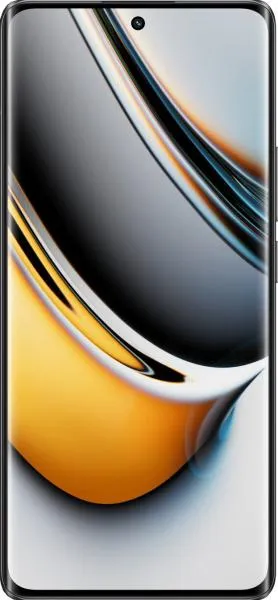
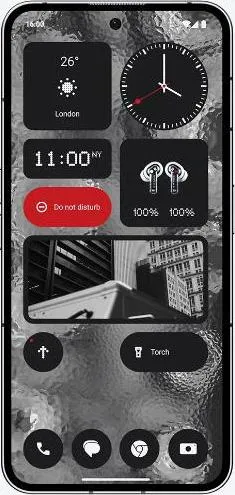
| Feature | Realme 11 Pro | Nothing Phone (2) | Practical Impact |
|---|---|---|---|
| Design | |||
| Dimensions (mm) | 161.7 x 73.9 x 8.2 | 162.1 x 76.4 x 8.6 | Nothing Phone (2) is slightly larger and thicker. |
| Weight (g) | 183 | 201.2 | Realme 11 Pro is noticeably lighter, improving one-handed use. |
| Display | |||
| Type | AMOLED | LTPO OLED | Both offer vibrant colors and deep blacks. LTPO allows for dynamic refresh rate, potentially saving battery on Nothing Phone (2). |
| Size (inches) | 6.7 | 6.7 | Same screen size. |
| Resolution (px) | 1080 x 2412 | 1080 x 2412 | Identical resolution, resulting in similar sharpness. |
| Refresh Rate (Hz) | 120 | 120 | Both offer smooth scrolling and animations. |
| Peak Brightness (nits) | 950 | 1600 | Nothing Phone (2) is significantly brighter, improving outdoor visibility. |
| Performance | |||
| Chipset | Mediatek Dimensity 7050 (6 nm) | Qualcomm Snapdragon 8+ Gen 1 (4 nm) | Snapdragon 8+ Gen 1 offers significantly better performance and efficiency for demanding tasks and gaming on the Nothing Phone (2). |
| CPU | Octa-core (2x2.6 GHz Cortex-A78 & 6x2.0 GHz Cortex-A55) | Octa-core (1x3.0 GHz Cortex-X2 & 3x2.5 GHz Cortex-A710 & 4x1.80 GHz Cortex-A510) | Nothing Phone (2)'s CPU architecture is more powerful and modern. |
| GPU | Mali-G68 MC4 | Adreno 730 | Adreno 730 provides a superior gaming experience with higher frame rates and better graphics rendering on the Nothing Phone (2). |
| RAM (GB) | 8/12 | 8/12 | Both offer ample RAM for multitasking, though specific configurations vary. |
| Camera | |||
| Main Camera (MP) | 100 | 50 | Realme 11 Pro boasts higher resolution, but sensor size and processing are crucial for image quality. Practical differences require real-world camera comparisons. |
| Selfie Camera (MP) | 16 | 32 | Nothing Phone (2) has a higher resolution front-facing camera, potentially capturing more detailed selfies. |
| Video Recording | Up to 4K@30fps | Up to 4K@60fps | Nothing Phone (2) can record smoother and more detailed videos at higher frame rates. |
| Battery | |||
| Capacity (mAh) | 5000 | 4700 | Realme 11 Pro has a slightly larger battery, but real-world battery life depends on optimization and usage. |
| Charging Speed | Not specified | Not specified | Cannot compare charging speeds without specific data. |
2. Key Differences Analysis
Realme 11 Pro Advantages:
- Lighter and more compact: Easier to handle and carry.
- Potentially longer battery life: Larger battery capacity, but real-world usage will vary.
- Lower price: Offers a more budget-friendly option. (Based on provided limited price data)
Nothing Phone (2) Advantages:
- Significantly more powerful: Snapdragon 8+ Gen 1 provides a superior user experience for demanding tasks and gaming.
- Brighter Display: Better outdoor visibility.
- Higher quality video recording: 4K@60fps offers smoother and more detailed videos.
- More up-to-date OS support: Guaranteed updates to Android 16.
Trade-offs:
- Nothing Phone (2)'s higher performance comes at a higher price and potentially slightly reduced battery life compared to the larger battery in the Realme 11 Pro.
- Realme 11 Pro's lower price may mean compromising on performance and features.
3. User Profiles & Recommendations
Realme 11 Pro:
- Ideal User: Budget-conscious users prioritizing battery life and a lightweight design for everyday tasks like social media, browsing, and casual photography.
- Use Cases: Casual gaming, social media, web browsing, general productivity.
Nothing Phone (2):
- Ideal User: Users who demand high performance for demanding games, multitasking, and media consumption, and value a bright, vibrant display. Willing to pay a premium for better hardware and longer software support.
- Use Cases: Mobile gaming, demanding applications, media consumption, content creation (photo/video).
4. Decision Framework
Key Questions for Buyers:
- What is your budget? The Nothing Phone (2) commands a significantly higher price.
- What is your primary use case? For demanding tasks, the Nothing Phone (2)'s superior performance is crucial. For general use, the Realme 11 Pro may suffice.
- Which features are most important to you? Prioritize battery life, display quality, performance, or camera based on individual needs.
Scenario-Based Recommendations:
- Tight Budget, Casual User: Realme 11 Pro
- Gamer, Power User: Nothing Phone (2)
- Balance of Performance and Value: Consider other options or wait for more detailed reviews and comparisons including real-world battery tests and camera comparisons.
My Choice: Nothing Phone (2)
While the Realme 11 Pro offers a compelling value proposition with its lighter weight and larger battery, the Nothing Phone (2)'s significantly superior performance, brighter display, and longer software support make it the better choice for me. I prioritize a smooth and responsive user experience for demanding tasks and gaming, and I'm willing to pay a premium for the Snapdragon 8+ Gen 1. The improved video recording capabilities and guaranteed updates to Android 16 are also significant factors in my decision. While the slightly heavier weight and potentially shorter battery life are minor drawbacks, they are outweighed by the substantial performance advantages offered by the Nothing Phone (2).
