1. Specifications Comparison
| Feature | Realme 11 Pro | Motorola Razr 40 Ultra | Practical Impact |
|---|---|---|---|
| Design | |||
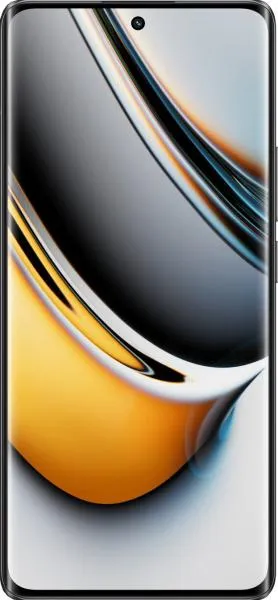
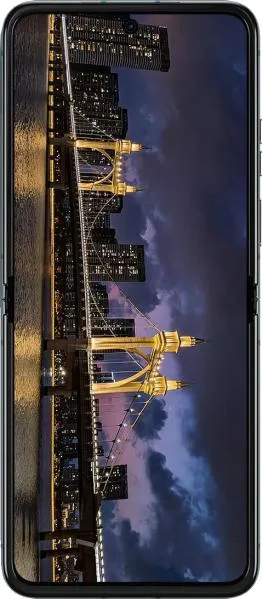
| Dimensions (mm) | 161.7 x 73.9 x 8.2 | 170.8 x 74 x 7 | Razr 40 Ultra is slightly wider and taller but significantly thinner due to its foldable design. Realme 11 Pro is a traditional candybar design. |
| Weight (g) | 183 | 184.5 | Negligible weight difference. |
| Foldable | No | Yes | Razr 40 Ultra offers a compact folded size for pocketability and a larger screen when unfolded. |
| Display | |||
| Size (inches) | 6.7 | 6.9 | Razr 40 Ultra has a slightly larger screen. |
| Type | AMOLED | Foldable LTPO AMOLED | Razr's LTPO panel allows for dynamic refresh rate adjustment, potentially saving battery. Foldable display introduces a crease. |
| Resolution (px) | 1080 x 2412 | 1080 x 2640 | Similar pixel density, but Razr 40 Ultra is slightly sharper due to the larger screen and taller aspect ratio. |
| Refresh Rate (Hz) | 120 | 165 | Razr 40 Ultra offers a smoother scrolling and gaming experience with its higher refresh rate. |
| Peak Brightness (nits) | 950 | 1400 | Razr 40 Ultra is significantly brighter, improving outdoor visibility. |
| Performance | |||
| Chipset | Mediatek Dimensity 7050 (6 nm) | Qualcomm Snapdragon 8+ Gen 1 (4 nm) | Razr 40 Ultra boasts a significantly more powerful processor, resulting in much faster performance for demanding tasks and gaming. |
| CPU | Octa-core (2x2.6 GHz Cortex-A78 & 6x2.0 GHz Cortex-A55) | Octa-core (1x3.19 GHz Cortex-X2 & 3x2.75 GHz Cortex-A710 & 4x1.80 GHz Cortex-A510) | Razr 40 Ultra's CPU architecture is more modern and powerful. |
| GPU | Mali-G68 MC4 | Adreno 730 | Razr 40 Ultra has a considerably more powerful GPU, delivering superior gaming and graphics performance. |
| RAM (GB) | 8/12 | 8/12 | Both offer similar RAM configurations, sufficient for multitasking. |
| Camera | |||
| Main Camera (MP) | 100 | 12 | Realme has a higher megapixel count, but sensor size and other factors are not fully detailed, making a direct comparison difficult. |
| Selfie Camera (MP) | 16 | 32 | Razr 40 Ultra has a higher resolution selfie camera. |
| Video Recording | Up to 4K@30fps | Up to 4K@60fps | Razr 40 Ultra can record higher resolution and smoother video. |
| Battery | |||
| Capacity (mAh) | 5000 | 3800 | Realme 11 Pro has significantly larger battery capacity, potentially leading to longer battery life. Foldable phones often have smaller batteries due to space constraints. |
2. Key Differences Analysis
Realme 11 Pro Advantages:
- Significantly larger battery: Potentially much longer battery life.
- Lower price: Offers better value for money for general users.
- Durable traditional design: No crease or potential durability concerns associated with foldable displays.
Motorola Razr 40 Ultra Advantages:
- Significantly more powerful: Much better performance for demanding tasks and gaming.
- Foldable design: Offers greater portability and a larger screen when needed.
- Brighter and smoother display: Improved outdoor visibility and a more fluid user experience.
- External display: Allows for quick interactions without unfolding the phone (not explicitly listed, but implied by foldable design).
3. User Profiles & Recommendations
Realme 11 Pro:
- Ideal User: Budget-conscious users prioritizing battery life and reliable performance for everyday tasks.
- Use Cases: Social media, web browsing, casual photography, light gaming.
Motorola Razr 40 Ultra:
- Ideal User: Users prioritizing cutting-edge technology, portability, and top-tier performance, willing to pay a premium for the foldable form factor.
- Use Cases: Demanding gaming, media consumption, multitasking, users who value a compact and stylish device.
4. Decision Framework
Key Questions for Buyers:
- Budget: How much are you willing to spend?
- Performance Needs: Do you need top-tier processing power for demanding tasks or gaming?
- Form Factor Preference: Do you prioritize portability and a unique design or a traditional smartphone experience with longer battery life?
Scenario-Based Recommendations:
- Limited Budget, Everyday Use: Realme 11 Pro
- Power User, Early Adopter: Motorola Razr 40 Ultra
My Choice: Motorola Razr 40 Ultra
While the Realme 11 Pro offers great value, the Motorola Razr 40 Ultra's innovative foldable design and significantly superior performance are compelling. The Snapdragon 8+ Gen 1, coupled with the 165Hz display, ensures a smooth and responsive experience. The compact form factor when folded is a major advantage for portability. While the battery is smaller, I'm willing to compromise on battery life for the cutting-edge technology and unique form factor. The price premium is justified for the significant jump in performance and innovative design. I value having a powerful device that can handle any task efficiently and fits comfortably in my pocket.
