1. Specifications Comparison
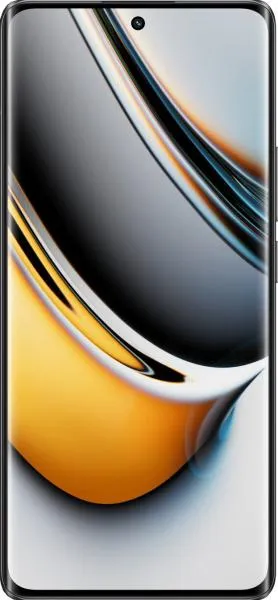
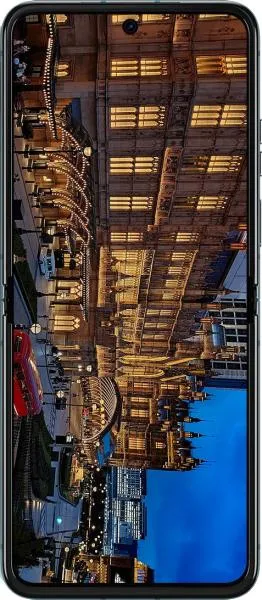
| Feature | Realme 11 Pro | Motorola Razr 40 | Practical Impact |
|---|---|---|---|
| Design | |||
| Dimensions (mm) | 161.7 x 73.9 x 8.2 | 170.8 x 74 x 7.4 | Razr 40 is taller and slightly thicker when unfolded, but significantly more compact when folded due to its foldable design. Realme 11 Pro is thinner overall. |
| Weight (g) | 183 | 188.6 | Negligible weight difference in real-world usage. |
| Foldable | No | Yes | Razr 40's foldable design offers unparalleled portability. |
| Display | |||
| Display Type | AMOLED | Foldable LTPO AMOLED | Razr 40 uses a more advanced LTPO panel potentially offering better power efficiency and variable refresh rates. However, the folding screen introduces a crease. |
| Size (inches) | 6.7 | 6.9 | Razr 40 offers a slightly larger display area. |
| Resolution | 1080 x 2412 | 1080 x 2640 | Razr 40 has a slightly higher resolution, resulting in marginally sharper visuals. |
| Refresh Rate (Hz) | 120 | 144 | Razr 40's higher refresh rate will provide smoother animations and scrolling. |
| Peak Brightness (nits) | 950 | 1400 | Razr 40's significantly higher peak brightness ensures better visibility in direct sunlight. |
| Performance | |||
| Chipset | Mediatek Dimensity 7050 (6 nm) | Qualcomm Snapdragon 7 Gen 1 (4 nm) | Snapdragon 7 Gen 1 generally offers better performance and efficiency due to its more advanced 4nm process. |
| CPU | Octa-core (2x2.6 GHz Cortex-A78 & 6x2.0 GHz Cortex-A55) | Octa-core (1x2.4 GHz Cortex-A710 & 3x2.36 GHz Cortex-A710 & 4x1.8 GHz Cortex-A510) | Snapdragon 7 Gen 1's newer CPU architecture should deliver superior performance in demanding tasks and multitasking. |
| GPU | Mali-G68 MC4 | Adreno 644 | Adreno 644 generally provides better gaming performance compared to Mali-G68 MC4. |
| RAM (GB) | 8/12 | 8 | Both offer ample RAM for smooth multitasking, though the Realme offers a 12GB option for even more headroom. |
| Camera | |||
| Main Camera (MP) | 100 | 64 | Realme 11 Pro boasts a higher resolution main sensor, potentially capturing more detail. However, megapixel count isn't the sole determinant of image quality. Sensor size and processing play a crucial role, which are not fully detailed here. |
| Selfie Camera (MP) | 16 | 32 | Razr 40 has a significantly higher resolution selfie camera. |
| Video Recording | Up to 4K@30fps, 1080p@120fps, 720p@960fps | Up to 4K@30fps, 1080p@60fps | Realme offers higher slow-motion video recording capabilities. |
| Battery | |||
| Capacity (mAh) | 5000 | 4200 | Realme 11 Pro has a significantly larger battery capacity, likely translating to longer battery life. |
2. Key Differences Analysis
Realme 11 Pro Advantages:
- Larger Battery: Significantly longer battery life.
- Higher Resolution Main Camera: Potentially more detailed photos (depending on sensor size and image processing).
- Higher Slow-Motion Video Capture: More creative options for video recording.
- Potentially Lower Price: Depending on specific configurations.
Motorola Razr 40 Advantages:
- Foldable Design: Unmatched portability and unique form factor.
- More Powerful Chipset & GPU: Smoother performance in demanding tasks and gaming.
- Higher Refresh Rate & Peak Brightness Display: Superior visual experience with smoother scrolling and better outdoor visibility.
- Higher Resolution Selfie Camera: Better quality self-portraits.
3. User Profiles & Recommendations
Realme 11 Pro: Ideal for users prioritizing battery life, a large display, and potentially a lower price. Suitable for:
- Heavy users: Long battery life is crucial.
- Budget-conscious buyers: Seeking value for money.
- Photography enthusiasts: High-resolution main camera (dependent on unknown sensor specifics).
Motorola Razr 40: Ideal for users prioritizing portability, style, and a premium display experience. Suitable for:
- Trendsetters: Value the unique foldable design.
- Users on the go: Pocket-friendly form factor is essential.
- Gamers & Power Users: Benefit from the more powerful chipset and higher refresh rate display.
4. Decision Framework
Key Questions for Buyers:
- How important is portability? Foldable design is a game-changer for some.
- What's your budget? Price difference may be significant.
- What are your primary use cases? (e.g., gaming, photography, social media)
Scenario-Based Recommendations:
- Limited budget, prioritize battery life: Realme 11 Pro.
- Value portability above all else: Motorola Razr 40.
- Seeking a balance of performance and battery life at a reasonable price: More information needed on pricing and in-depth camera comparisons.
My Choice: Motorola Razr 40
While the Realme 11 Pro offers a compelling package with its large battery and high-resolution main camera, the Motorola Razr 40's foldable design is a significant differentiator for me. I value portability and appreciate innovative technology. The superior performance offered by the Snapdragon 7 Gen 1, combined with the stunning 144Hz LTPO AMOLED display, makes the Razr 40 a more appealing overall package. The trade-off of a slightly smaller battery is acceptable considering the significant gain in portability. However, a thorough camera comparison with sample images would be necessary before a final decision. I prioritize innovation and portability and am willing to pay a premium for it. The smaller battery is a concern, but manageable.
