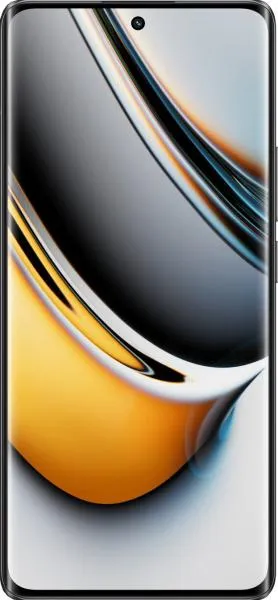
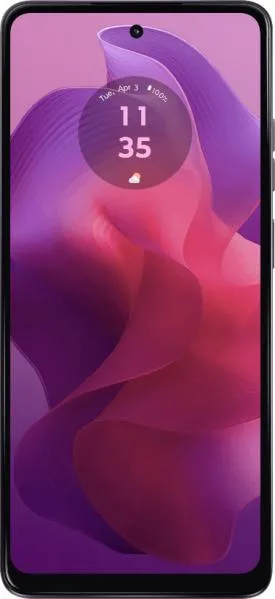
1. Specifications Comparison
| Feature | Realme 11 Pro | Motorola Moto G24 | Practical Impact |
|---|---|---|---|
| Design | |||
| Dimensions (mm) | 161.7 x 73.9 x 8.2 | 163.5 x 74.5 x 8.0 | Realme 11 Pro is slightly smaller and thinner. Negligible difference in daily usage. |
| Weight (g) | 183 | 181 | Virtually identical weight; no noticeable difference in hand. |
| Fingerprint Sensor | Under Display | Side-mounted | Preference-based; under-display feels more modern, side-mounted can be faster to access. |
| Display | |||
| Display Type | AMOLED | IPS LCD | Realme's AMOLED offers significantly better contrast, deeper blacks, and more vibrant colors. |
| Display Size (inches) | 6.7 | 6.56 | Negligible size difference. |
| Resolution | 1080 x 2412 | 720 x 1612 | Realme has a much sharper display (394 ppi vs 269 ppi), resulting in clearer text and images. |
| Refresh Rate (Hz) | 120 | 90 | Realme offers smoother scrolling and animations. Noticeable in day-to-day use. |
| Peak Brightness (nits) | 950 | 537 | Realme is much brighter, ensuring better visibility in sunlight. |
| Performance | |||
| Chipset | Mediatek Dimensity 7050 (6nm) | Mediatek Helio G85 (12nm) | Realme's 7050 provides better performance and efficiency due to smaller node size and architecture. |
| CPU | Octa-core (2x2.6 GHz A78 & 6x2.0 GHz A55) | Octa-core (2x2.0 GHz A75 & 6x1.7 GHz A55) | Realme offers faster processing speeds, leading to smoother multitasking and quicker app loading. |
| GPU | Mali-G68 MC4 | Mali-G52 MC2 | Realme's GPU is significantly more powerful, enabling smoother gaming and graphics-intensive tasks. |
| RAM (GB) | 8/12 | 4/8 | Realme offers more RAM in its configurations, enabling better multitasking and preventing app closures in the background. |
| Camera | |||
| Main Camera (MP) | 100 | 50 | Realme offers higher resolution, potentially capturing more detail. However, megapixels alone don't determine image quality. Sensor and software processing are crucial. |
| Video Recording | Up to 4K @ 30fps | Up to 1080p @ 30fps | Realme offers higher resolution video recording. |
| Battery | |||
| Capacity (mAh) | 5000 | 5000 | Same battery capacity, but real-world battery life depends on software optimization and usage patterns. |
2. Key Differences Analysis
Realme 11 Pro Advantages:
- Superior Display: AMOLED with higher resolution, refresh rate, and peak brightness provides a significantly better viewing experience.
- Stronger Performance: More powerful chipset, CPU, and GPU translates to smoother overall performance, better multitasking, and improved gaming capabilities.
- Higher Resolution Camera: Potentially captures more detailed images.
- Higher Resolution Video Recording: Allows for more detailed videos.
Motorola Moto G24 Advantages:
- Lower Price: Significantly more affordable.
- More Color Options: Offers a wider range of color choices.
Trade-offs:
- Moto G24: Sacrifices display quality, performance, and camera resolution for affordability.
- Realme 11 Pro: Higher price for premium features.
3. User Profiles & Recommendations
Realme 11 Pro: Suitable for users who prioritize display quality, performance, and camera capabilities. Ideal for gaming, media consumption, and multitasking. Good for those who want a modern, feature-rich phone.
Motorola Moto G24: Suitable for budget-conscious users who primarily use their phone for basic tasks like calling, texting, browsing, and social media. Good for those who prioritize affordability over premium features.
4. Decision Framework
Key Questions for Buyers:
- What is your budget? The Moto G24 is significantly cheaper.
- What are your primary phone usage patterns? For basic tasks, the Moto G24 may suffice. For demanding tasks or media consumption, the Realme 11 Pro is better.
- How important is display quality and performance? The Realme 11 Pro significantly outperforms the Moto G24 in these areas.
My Choice: Realme 11 Pro
While the Motorola Moto G24 offers excellent value for its price, the Realme 11 Pro is the superior device overall. The significantly better display, stronger performance, and more capable camera system justify the higher price for me. I prioritize a smooth and enjoyable user experience, which the Realme 11 Pro delivers with its 120Hz AMOLED display and powerful Dimensity 7050 chipset. The difference in display quality alone is a major factor, as I consume a lot of media on my phone. While the Moto G24 is a solid budget option, the compromises in key areas are too significant for my personal preferences and usage patterns.
