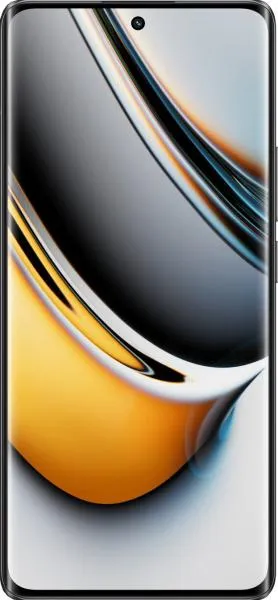
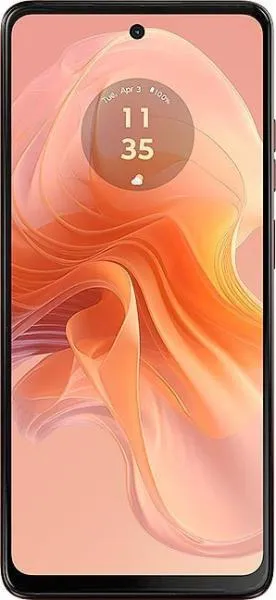
1. Specifications Comparison
| Feature | Realme 11 Pro | Motorola Moto G04s | Practical Impact |
|---|---|---|---|
| Design | |||
| Dimensions (mm) | 161.7 x 73.9 x 8.2 | 163.5 x 74.5 x 8 | Realme is slightly smaller and thinner. Negligible difference in daily use. |
| Weight (g) | 183 | 178.8 | Motorola is marginally lighter, unlikely to be noticeable. |
| Display | |||
| Display Type | AMOLED, 120Hz | IPS LCD, 90Hz | Realme offers significantly better contrast, colors, and smoother scrolling with its AMOLED display and higher refresh rate. |
| Resolution | 1080 x 2412 | 720 x 1612 | Realme's display is much sharper and more detailed. |
| PPI | 394 | 269 | Text and images will be noticeably clearer on the Realme. |
| Peak Brightness (nits) | 950 | Not specified | Realme's higher peak brightness ensures better visibility in sunlight. Missing Moto G04s spec limits comparison. |
| Performance | |||
| Chipset | Mediatek Dimensity 7050 (6 nm) | Unisoc T606 (12 nm) | Realme's processor is more powerful and efficient due to smaller node size, leading to better performance in demanding tasks and games. |
| CPU | Octa-core (2x2.6 GHz Cortex-A78 & 6x2.0 GHz Cortex-A55) | Octa-core (2x1.6 GHz Cortex-A75 & 6x1.6 GHz Cortex-A55) | Realme has faster and more powerful CPU cores, resulting in smoother multitasking and quicker app loading. |
| GPU | Mali-G68 MC4 | Mali-G57 MP1 | Realme's GPU is significantly more powerful, enabling better gaming performance and smoother graphics rendering. |
| RAM | 8GB/12GB | 4GB | Realme offers more RAM, allowing for better multitasking and less frequent app closures in the background. |
| Camera | |||
| Main Camera | 100MP | 50MP | Realme boasts higher resolution, potentially capturing more detail. Image quality depends on sensor and processing, not just resolution. |
| Selfie Camera | 16MP | 5MP | Realme's selfie camera offers much higher resolution for better quality self-portraits. |
| Video Recording | 4K@30fps, 1080p@120fps | 1080p@30fps | Realme supports higher resolution and frame rate video recording for smoother and more detailed videos. |
| Battery | |||
| Capacity | 5000 mAh | 5000 mAh | Both phones have the same battery capacity, but real-world battery life depends on software optimization and hardware efficiency. |
2. Key Differences Analysis
Realme 11 Pro Advantages:
- Superior Display: AMOLED with 120Hz offers vibrant colors, deep blacks, and smoother scrolling compared to the Moto G04s' LCD.
- Significantly Better Performance: The Dimensity 7050 chipset and higher RAM provide a much smoother and faster user experience, especially in gaming and multitasking.
- Higher Resolution Cameras: Potentially better image quality and detail, although real-world performance depends on factors beyond resolution.
- Faster Charging: While not specified for either phone in the provided data, Realme phones generally offer faster charging solutions in this price range.
Motorola Moto G04s Advantages:
- Lower Price: Significantly cheaper, offering a budget-friendly option.
- Potentially Longer Software Support: Motorola has a slightly better track record with software updates compared to Realme, although future updates are not guaranteed for either phone. Missing Max OS version for Moto limits this analysis.
3. User Profiles & Recommendations
Realme 11 Pro: Users who prioritize display quality, performance, and camera capabilities. Suitable for gaming, media consumption, and demanding tasks.
Motorola Moto G04s: Budget-conscious users who prioritize basic functionality and reliability. Suitable for everyday tasks like calling, texting, and browsing. Not recommended for heavy gaming or demanding applications.
4. Decision Framework
Key Questions for Buyers:
- What is your budget? The Moto G04s is significantly cheaper.
- What are your primary smartphone usage patterns? The Realme 11 Pro is better for demanding tasks, while the Moto G04s is sufficient for basic use.
- How important is display quality and performance? The Realme 11 Pro significantly outperforms the Moto G04s in these areas.
My Choice: Realme 11 Pro
While the Motorola Moto G04s offers a budget-friendly option, the Realme 11 Pro is the clear winner for me. The superior display, significantly better performance, and more capable cameras outweigh the price difference. The smoother 120Hz AMOLED display alone drastically enhances the daily user experience. While battery life comparisons are limited by missing charging speed data, the Realme's more efficient processor suggests potentially better battery performance in the long run. For my use case, which includes media consumption, multitasking, and occasional gaming, the Realme 11 Pro offers a much more compelling overall package.
