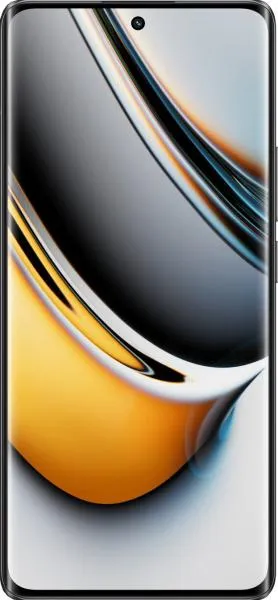

1. Specifications Comparison
| Feature | Realme 11 Pro | Motorola Moto G Stylus 5G (2024) | Practical Impact |
|---|---|---|---|
| Design | |||
| Dimensions (mm) | 161.7 x 73.9 x 8.2 | 162.6 x 74.8 x 8.3 | Virtually identical in size and feel. |
| Weight (g) | 183 | 190 | Realme is slightly lighter, but the difference is negligible. |
| Display | |||
| Display Type | AMOLED | P-OLED | Both offer vibrant colors and deep blacks. P-OLED potentially offers better power efficiency and outdoor visibility due to higher peak brightness. |
| Size (inches) | 6.7 | 6.7 | Same screen size. |
| Resolution | 1080 x 2412 | 1080 x 2400 | Nearly identical resolutions, resulting in similar sharpness. |
| Refresh Rate (Hz) | 120 | 120 | Both offer smooth scrolling and animations. |
| Peak Brightness (nits) | 950 | 1200 | Motorola offers significantly higher peak brightness, improving outdoor visibility. |
| Performance | |||
| Chipset | Mediatek Dimensity 7050 (6 nm) | Qualcomm Snapdragon 6 Gen 1 (4 nm) | Snapdragon 6 Gen 1 generally provides better performance and efficiency due to the 4nm process. |
| CPU | Octa-core (2x2.6 GHz A78 & 6x2.0 GHz A55) | Octa-core (4x2.2 GHz A78 & 4x1.8 GHz A55) | While Dimensity 7050 has higher peak clock speeds on 2 cores, Snapdragon 6 Gen 1's architecture and higher clock speed on 4 performance cores might offer better sustained performance. |
| GPU | Mali-G68 MC4 | Adreno 710 | Adreno 710 generally offers superior graphics performance compared to Mali-G68 MC4. |
| RAM (GB) | 8/12 | 8 | Realme offers a 12GB RAM option for potentially better multitasking, though 8GB is sufficient for most users. |
| Camera | |||
| Main Camera (MP) | 100 | 50 | Realme has a higher megapixel count, but sensor size and other factors play a significant role in image quality. Motorola uses a reputable Sony sensor. |
| Selfie Camera (MP) | 16 | 32 | Motorola has a significantly higher resolution selfie camera. |
| Video Recording | Up to 4K@30fps with EIS | Up to 4K@30fps | Similar video recording capabilities. |
| Battery | |||
| Capacity (mAh) | 5000 | 5000 | Identical battery capacity. Real-world battery life depends on optimization and usage. |
2. Key Differences Analysis
Realme 11 Pro Advantages:
- Higher resolution main camera (100MP): Potentially more detail in images, although real-world performance depends heavily on processing and sensor quality.
- 12GB RAM option: Better for heavy multitasking and future-proofing.
Motorola Moto G Stylus 5G (2024) Advantages:
- More powerful and efficient chipset: Snapdragon 6 Gen 1 provides better performance and potentially longer battery life due to the advanced 4nm process.
- Brighter display: Improved outdoor visibility.
- Higher resolution selfie camera (32MP): Significantly better for video calls and self-portraits.
- Stylus Support (not explicitly mentioned but implied): Offers unique note-taking and drawing capabilities.
3. User Profiles & Recommendations
Realme 11 Pro: Users prioritizing a high-resolution main camera and needing ample RAM for multitasking, without requiring a stylus.
Motorola Moto G Stylus 5G (2024): Users who value overall performance, battery life, a bright display, a good selfie camera, and the versatility of a stylus for note-taking or drawing.
4. Decision Framework
Key Questions for Buyers:
- Is stylus functionality important? If yes, the Motorola is the clear choice.
- Which aspects of performance matter most? For gaming and demanding tasks, the Motorola's Snapdragon 6 Gen 1 offers an advantage. For general use and multitasking, both are generally sufficient.
- What is your budget? Pricing can fluctuate; compare current prices for the specific RAM/storage configuration you need.
Scenario-Based Recommendations:
- Student needing note-taking capabilities: Motorola Moto G Stylus 5G (2024)
- Casual user prioritizing social media and photography: Realme 11 Pro (considering its 100MP camera and assuming image quality is comparable or better after real world reviews)
- Gamer on a budget: Motorola Moto G Stylus 5G (2024)
My Choice: Motorola Moto G Stylus 5G (2024)
While the Realme 11 Pro boasts a 100MP camera and a 12GB RAM option, the Motorola Moto G Stylus 5G (2024) offers a more well-rounded package. The Snapdragon 6 Gen 1 provides a significant performance and efficiency advantage. The brighter display is crucial for outdoor use. The higher resolution selfie camera is a practical benefit for many users. Finally, the implied stylus support adds unique functionality for note-taking and creative tasks. While megapixel count can be enticing, real-world camera performance depends on various factors. The Motorola's superior core hardware and added stylus functionality make it the more compelling choice for a broader range of users.
