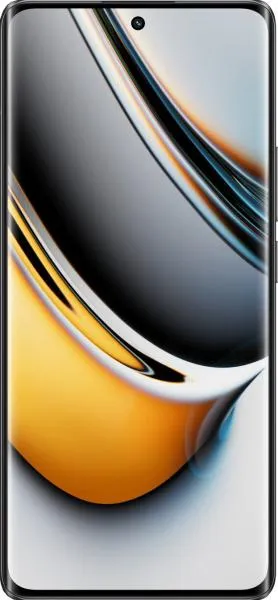
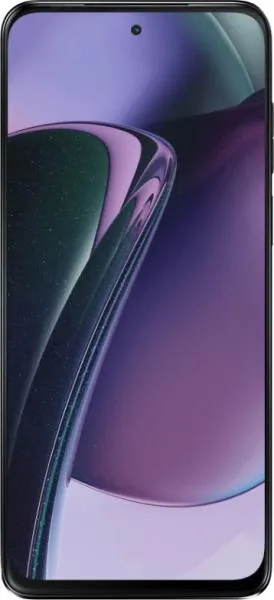
1. Specifications Comparison
| Feature | Realme 11 Pro | Motorola Moto G Stylus 5G (2023) | Practical Impact |
|---|---|---|---|
| Design | |||
| Dimensions (mm) | 161.7 x 73.9 x 8.2 | 162.8 x 73.8 x 9.2 | Realme is slightly shorter and thinner. Moto G Stylus is noticeably thicker. |
| Weight (g) | 183 | 202 | Realme is significantly lighter, more comfortable for one-handed use. |
| Fingerprint Sensor | Under display | Side-mounted | Preference-based, both are reliable. |
| Stylus | No | Yes | Moto G Stylus offers note-taking and drawing capabilities. |
| Display | |||
| Display Type | AMOLED | IPS LCD | Realme offers deeper blacks, more vibrant colors, and better power efficiency. |
| Display Size (inches) | 6.7 | 6.6 | Negligible size difference. |
| Resolution (px) | 1080 x 2412 | 1080 x 2400 | Virtually identical sharpness. |
| Refresh Rate (Hz) | 120 | 120 | Both offer smooth scrolling and animations. |
| Peak Brightness (nits) | 950 | Not specified | Realme likely offers better outdoor visibility. Missing Moto G Stylus spec limits comparison. |
| Performance | |||
| Chipset | MediaTek Dimensity 7050 (6nm) | Qualcomm Snapdragon 6 Gen 1 (4nm) | Snapdragon 6 Gen 1 generally offers better power efficiency and potentially slightly better performance. |
| CPU | Octa-core (2x2.6 GHz A78 & 6x2.0 GHz A55) | Octa-core (4x2.2 GHz A78 & 4x1.8 GHz A55) | Snapdragon's CPU configuration might provide a slight edge in demanding tasks. |
| GPU | Mali-G68 MC4 | Adreno 710 | Adreno 710 typically performs better in gaming and graphics-intensive tasks. |
| RAM (GB) | 8/12 | 6/8 | Realme offers a 12GB RAM option for better multitasking. |
| Camera | |||
| Main Camera (MP) | 100 | 50 | Realme boasts higher resolution, potentially capturing more detail. Real-world performance depends on sensor and processing. |
| Video Recording | Up to 4K@30fps with EIS | Up to 4K@30fps | Both offer 4K recording; Realme advertises EIS at higher resolutions and frame rates. |
| Battery | |||
| Capacity (mAh) | 5000 | 5000 | Identical battery capacity. Real-world battery life depends on optimization and usage. |
2. Key Differences Analysis
Realme 11 Pro Advantages:
- Superior Display: AMOLED offers vibrant colors and deeper blacks. Higher peak brightness improves outdoor visibility.
- Higher Resolution Camera: 100MP main camera potentially captures more detail.
- More RAM Options: 12GB RAM variant enables smoother multitasking.
- Lighter and Slimmer: More comfortable for extended use and one-handed operation.
Motorola Moto G Stylus 5G (2023) Advantages:
- Integrated Stylus: Enables note-taking, sketching, and precise on-screen interaction.
- Potentially More Efficient Chipset: Snapdragon 6 Gen 1 built on a 4nm process may offer better battery life.
- Potentially Better GPU: Adreno 710 generally provides smoother gaming performance.
3. User Profiles & Recommendations
Realme 11 Pro: Users prioritizing display quality, camera resolution, and a sleek design. Ideal for media consumption, photography enthusiasts, and those seeking a lightweight device.
Motorola Moto G Stylus 5G (2023): Users who value note-taking, sketching, or precise on-screen interactions. Suitable for students, artists, and professionals who require a stylus for their workflow.
4. Decision Framework
Key Questions for Buyers:
- Is a stylus essential for your workflow? If yes, the Moto G Stylus is the clear choice.
- Do you prioritize display quality and a slim design? If yes, the Realme 11 Pro offers a superior visual experience.
- What is your budget and required storage capacity? Consider the price difference between different RAM/storage configurations.
Scenario-Based Recommendations:
- Student on a budget: Moto G Stylus for note-taking.
- Photographer: Realme 11 Pro for its high-resolution camera.
- Heavy multitasker: Realme 11 Pro with 12GB RAM.
My Choice: Realme 11 Pro
While the Moto G Stylus offers a unique feature with its integrated stylus, the Realme 11 Pro's superior display, lighter design, and higher resolution camera are more compelling to me. I prioritize a vibrant visual experience and a comfortable in-hand feel. The potential performance advantages of the Snapdragon 6 Gen 1 in the Moto G Stylus are less significant to me compared to the tangible benefits of the Realme's AMOLED display and sleek design. The availability of a 12GB RAM option in the Realme also provides future-proofing for demanding tasks. While lacking specific brightness information for the Moto G Stylus hinders a complete comparison, the generally brighter nature of AMOLED displays further solidifies my choice.
