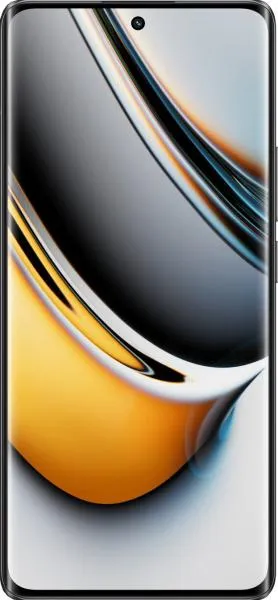

1. Specifications Comparison
| Feature | Realme 11 Pro | Motorola Moto G (2023) | Practical Impact |
|---|---|---|---|
| Design | |||
| Dimensions (mm) | 161.7 x 73.9 x 8.2 | 164 x 75 x 8.4 | Realme 11 Pro is slightly smaller and thinner. |
| Weight (g) | 183 | 189 | Negligible weight difference in real-world usage. |
| Build Material | Not specified | Not specified | Cannot compare build quality without more information. |
| Display | |||
| Display Type | AMOLED | IPS LCD | Realme's AMOLED offers significantly better contrast, deeper blacks, and potentially brighter colors. |
| Display Size (inches) | 6.7 | 6.5 | Realme offers a slightly larger screen for more immersive content consumption. |
| Resolution | 1080 x 2412 | 720 x 1600 | Realme has a much sharper display (394 ppi vs 270 ppi), resulting in crisper text and images. |
| Refresh Rate (Hz) | 120 | 120 | Both phones offer smooth scrolling and animations thanks to the 120Hz refresh rate. |
| Performance | |||
| Chipset | Mediatek Dimensity 7050 | Qualcomm Snapdragon 480+ 5G | Dimensity 7050 generally offers better performance in demanding tasks and gaming. |
| CPU | Octa-core (2x2.6 GHz Cortex-A78 & 6x2.0 GHz Cortex-A55) | Octa-core (2x2.2 GHz Kryo 460 & 6x1.8 GHz Kryo 460) | Realme's CPU configuration suggests better multi-core performance. |
| GPU | Mali-G68 MC4 | Adreno 619 | Mali-G68 MC4 generally provides a smoother gaming experience compared to Adreno 619. |
| RAM (GB) | 8/12 | 4 | Realme offers significantly more RAM, enabling better multitasking and smoother performance with multiple apps open. |
| Camera | |||
| Main Camera (MP) | 100 | 48 | Realme boasts a much higher resolution main camera, potentially capturing more detail. However, megapixels alone don't guarantee image quality. |
| Selfie Camera (MP) | 16 | 8 | Realme has a higher resolution front-facing camera for better selfies. |
| Video Recording | Up to 4K@30fps with EIS | Up to 1080p@30fps | Realme offers superior video recording capabilities with higher resolution and Electronic Image Stabilization (EIS) at higher resolutions. |
| Battery | |||
| Capacity (mAh) | 5000 | 5000 | Both phones have the same battery capacity, but real-world battery life depends on various factors like usage and software optimization. |
2. Key Differences Analysis
Realme 11 Pro Advantages:
- Superior Display: AMOLED with higher resolution and brightness provides a significantly better viewing experience.
- Better Performance: More powerful chipset, CPU, and GPU along with more RAM results in smoother overall performance and better gaming capabilities.
- Enhanced Camera System: Higher resolution main and selfie cameras with 4K video recording offer greater flexibility for photography and videography.
Motorola Moto G (2023) Advantages:
- Potentially Lower Price: Depending on the specific configuration, the Moto G (2023) is likely to be more affordable.
Trade-offs:
- Realme 11 Pro: Higher price for premium features.
- Motorola Moto G (2023: Compromises on display, performance, and camera to achieve a lower price point.
3. User Profiles & Recommendations
Realme 11 Pro: Ideal for users who prioritize display quality, performance, and camera capabilities. Suitable for gaming, content consumption, and mobile photography enthusiasts.
Motorola Moto G (2023): Best suited for budget-conscious users who prioritize basic functionality and reliable performance for everyday tasks like calling, texting, and browsing. Good for users who don't engage in demanding tasks or require high-end multimedia experiences.
4. Decision Framework
Key Questions for Buyers:
- What is your budget? The Moto G (2023) is likely more affordable.
- What are your primary smartphone usage patterns? For demanding tasks and multimedia, the Realme 11 Pro is better. For basic use, the Moto G might suffice.
- Which features are most important to you? Prioritize display, performance, and camera? Choose Realme. Prioritize affordability? Choose Moto G.
My Choice: Realme 11 Pro
While the Motorola Moto G (2023) offers a budget-friendly option, the Realme 11 Pro provides a significantly better overall user experience due to its superior AMOLED display, more powerful performance, and enhanced camera system. The higher RAM in the Realme also future-proofs the device better for longer-term usage. The price difference is justifiable considering the substantial jump in quality and features. For me, the significantly improved display, smoother performance, and better camera capabilities are worth the extra cost.
