1. Specifications Comparison
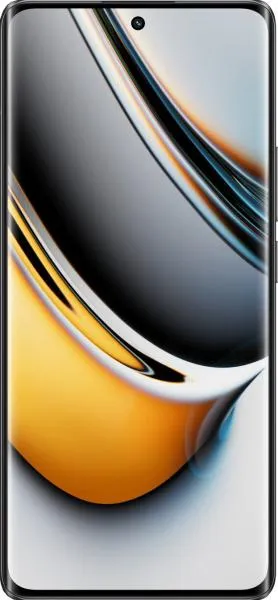
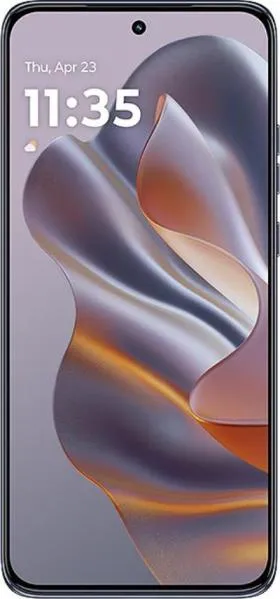
| Feature | Realme 11 Pro | Motorola Edge 50 Neo | Practical Impact |
|---|---|---|---|
| Design | |||
| Dimensions (mm) | 161.7 x 73.9 x 8.2 | 154.1 x 71.2 x 8.1 | Realme 11 Pro is slightly taller and wider. Negligible difference in thickness. |
| Weight (g) | 183 | 171 | Motorola Edge 50 Neo is noticeably lighter, improving one-handed use. |
| Display | |||
| Display Type | AMOLED | LTPO P-OLED | Both offer vibrant colors and deep blacks. LTPO allows for dynamic refresh rate, potentially saving battery on the Motorola. |
| Display Size (inches) | 6.7 | 6.4 | Realme 11 Pro offers a larger screen for media consumption. |
| Resolution | 1080 x 2412 | 1256 x 2760 | Motorola Edge 50 Neo has a sharper display (higher pixel density). |
| Refresh Rate (Hz) | 120 | 120 | Both offer smooth scrolling and animations. |
| Peak Brightness (nits) | 950 | 3000 | Motorola Edge 50 Neo is significantly brighter, ensuring better outdoor visibility. |
| Performance | |||
| Chipset | Dimensity 7050 (6nm) | Dimensity 7300 (4nm) | Motorola's 4nm chipset should provide better performance and power efficiency. |
| CPU | Octa-core (2x2.6 GHz A78 & 6x2.0 GHz A55) | Octa-core (4x2.5 GHz A78 & 4x2.0 GHz A55) | Motorola has more powerful cores, leading to better performance in demanding tasks. |
| GPU | Mali-G68 MC4 | Mali-G615 MC2 | While specific benchmark comparisons are needed, the Motorola's GPU is newer but might not be significantly more powerful for gaming. |
| RAM | 8GB/12GB | 8GB/12GB | Both offer ample RAM for multitasking. |
| Storage | 128GB/256GB/512GB | 256GB/512GB | Both offer sufficient storage options, though Realme offers a smaller 128GB option. |
| Camera | |||
| Main Camera (MP) | 100 | 50 | Realme boasts higher resolution, but megapixels alone don't guarantee image quality. Real-world image comparisons are crucial. |
| Other Cameras | 2MP Macro | 13MP Wide, 10MP Telephoto | Motorola offers more versatile camera options with wide-angle and telephoto lenses. |
| Battery | |||
| Capacity (mAh) | 5000 | 4310 | Realme 11 Pro has a larger battery capacity, potentially offering longer battery life. |
2. Key Differences Analysis
Realme 11 Pro Advantages:
- Larger Display: Better for media consumption and gaming.
- Higher Resolution Main Camera: Potentially more detailed photos, but real-world comparisons are needed.
- Larger Battery: Likely longer battery life.
Motorola Edge 50 Neo Advantages:
- Lighter and More Compact: Easier to handle and carry.
- Sharper Display with Higher Brightness: Superior visual experience, especially outdoors.
- More Powerful and Efficient Chipset: Smoother performance and better battery management.
- More Versatile Camera System: Wide-angle and telephoto lenses offer greater flexibility.
- Newer Android Version with Longer Support: Ensures latest features and security updates for a longer period.
3. User Profiles & Recommendations
Realme 11 Pro: Users prioritizing a large display, long battery life, and a high-resolution main camera on a budget. Ideal for media consumption, casual gaming, and social media.
Motorola Edge 50 Neo: Users who value a compact and lightweight phone with a sharp, bright display, versatile camera system, and better performance. Ideal for users who demand smoother performance, take a variety of photos, and appreciate longer software support.
4. Decision Framework
Key Questions for Buyers:
- What screen size and quality do you prefer? Larger for media or smaller for one-handed use? Prioritize brightness for outdoors?
- How important is camera versatility? Do you need wide-angle and telephoto lenses, or is a high-resolution main camera sufficient?
- What is your budget and how much do you value performance and longevity? Motorola offers better performance and longer software updates but at a higher price.
Scenario-Based Recommendations:
- Heavy media consumer on a budget: Realme 11 Pro.
- Power user needing performance and versatility: Motorola Edge 50 Neo.
- User prioritizing portability and outdoor visibility: Motorola Edge 50 Neo.
My Choice: Motorola Edge 50 Neo
While the Realme 11 Pro offers a larger battery and potentially a more detailed main camera, the Motorola Edge 50 Neo is a more well-rounded package for my needs. The more powerful and efficient chipset, brighter and sharper LTPO display, lighter weight, more versatile camera system, and longer software support are compelling advantages. While I acknowledge the larger battery of the Realme might be appealing to some, I prioritize overall performance, display quality, and a future-proof device. The slightly higher price of the Motorola is justified by these significant improvements in user experience.
