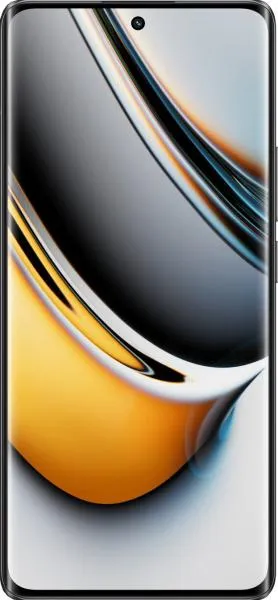
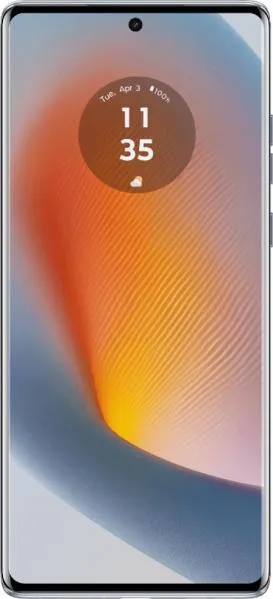
1. Specifications Comparison
| Feature | Realme 11 Pro | Motorola Edge 50 Fusion | Practical Impact |
|---|---|---|---|
| Design | |||
| Dimensions (mm) | 161.7 x 73.9 x 8.2 | 161.9 x 73.1 x 7.9 | Virtually identical in size and feel. |
| Weight (g) | 183 | 174.9 | Motorola is slightly lighter, potentially more comfortable for extended use. |
| Display | |||
| Type | AMOLED | P-OLED | Both offer vibrant colors and deep blacks. P-OLED might be slightly more power efficient. |
| Size (inches) | 6.7 | 6.7 | Same screen size. |
| Resolution (px) | 1080 x 2412 | 1080 x 2400 | Negligible difference in sharpness. |
| Refresh Rate (Hz) | 120 | 120 (LATAM), 144 (INT) | International version of Motorola offers smoother scrolling and animations with 144Hz. |
| Peak Brightness (nits) | 950 | 1600 | Motorola offers significantly higher peak brightness, improving outdoor visibility. |
| Performance | |||
| Chipset | Mediatek Dimensity 7050 (6 nm) | Qualcomm Snapdragon 7s Gen 2 (4 nm) | Snapdragon 7s Gen 2 is generally more powerful and power-efficient due to the 4nm process. |
| CPU | Octa-core (2x2.6 GHz Cortex-A78 & 6x2.0 GHz Cortex-A55) | Octa-core (4x2.4 GHz Cortex-A78 & 4x1.95 GHz Cortex-A55) | Motorola's CPU configuration suggests better performance in demanding tasks. |
| GPU | Mali-G68 MC4 | Adreno 710 | Adreno 710 generally provides better gaming performance. |
| RAM (GB) | 8/12 | 8/12 | Both offer configurations with ample RAM for multitasking. |
| Camera | |||
| Main Camera (MP) | 100 | 50 | Realme boasts higher resolution, but megapixels alone don't guarantee image quality. Sensor size and processing are crucial. |
| Selfie Camera (MP) | 16 | 32 | Motorola has a higher resolution selfie camera, potentially resulting in better self-portraits. |
| Battery | |||
| Capacity (mAh) | 5000 | 5000 | Same battery capacity. Actual battery life depends on usage and optimization. |
2. Key Differences Analysis
Realme 11 Pro Advantages:
- Higher resolution main camera: Potentially more detail in images, though image quality depends on other factors.
Motorola Edge 50 Fusion Advantages:
- More powerful and efficient processor: Better performance in demanding tasks and potentially longer battery life.
- Higher refresh rate display (International version): Smoother animations and scrolling.
- Brighter display: Improved outdoor visibility.
- More recent OS: Longer software support and potentially newer features. Android 17 on the Motorola vs. potential to upgrade to Android 15 on the Realme.
3. User Profiles & Recommendations
Realme 11 Pro: Users prioritizing a high-resolution main camera on a budget.
Motorola Edge 50 Fusion: Users who value overall performance, a smoother display, better battery efficiency, and longer software updates. Suitable for gaming, multitasking, and media consumption.
4. Decision Framework
Key Questions for Buyers:
- How important is raw camera megapixel count versus overall image quality and other features?
- Do you prioritize performance and a smooth display for gaming and multitasking?
- How important is long-term software support and the latest Android features?
Scenario-Based Recommendations:
- Casual User: Realme 11 Pro offers good value if camera resolution is a priority.
- Power User: Motorola Edge 50 Fusion offers better performance, display, and potentially battery life.
- Future-Proofing: Motorola Edge 50 Fusion, due to more recent release and longer expected software updates.
My Choice: Motorola Edge 50 Fusion
While the Realme 11 Pro boasts a higher megapixel count on the main camera, the Motorola Edge 50 Fusion offers a more compelling overall package. The Snapdragon 7s Gen 2 provides a significant performance advantage, resulting in smoother day-to-day use, better gaming, and likely improved battery efficiency. The higher refresh rate (on the international version) and significantly brighter display further enhance the user experience. Additionally, the newer Android version ensures longer software support and access to the latest features. Even though specific camera sensor details are missing for comparison, the overall performance and future-proofing of the Motorola outweigh the potential benefits of the Realme's 100MP camera.
