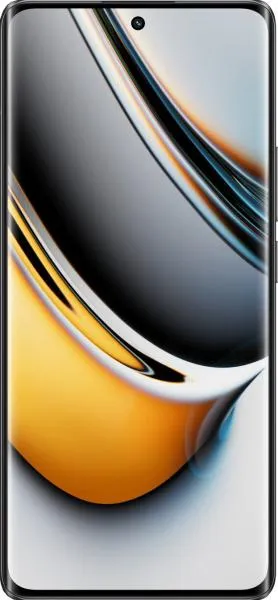
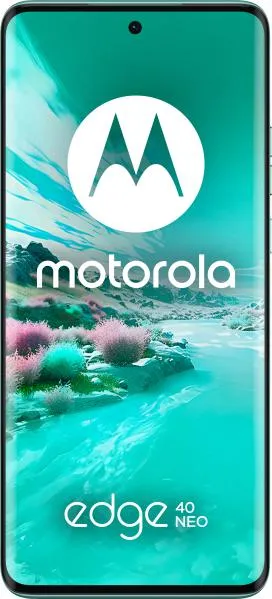
1. Specifications Comparison
| Feature | Realme 11 Pro | Motorola Edge 40 Neo | Practical Impact |
|---|---|---|---|
| Design | |||
| Dimensions (mm) | 161.7 x 73.9 x 8.2 | 159.6 x 72.0 x 7.9 | Edge 40 Neo is slightly smaller and thinner. May be more pocketable for some users. |
| Weight (g) | 183 | 170 | Edge 40 Neo is noticeably lighter, reducing hand fatigue during extended use. |
| Display | |||
| Display Type | AMOLED | pOLED | Both offer vibrant colors and deep blacks. pOLED can be slightly more power efficient. Subjective preference may play a role in perceived quality. |
| Size (inches) | 6.7 | 6.55 | Negligible size difference in real-world usage. |
| Resolution | 1080 x 2412 | 1080 x 2400 | Virtually identical sharpness. |
| Refresh Rate (Hz) | 120 | 144 | Edge 40 Neo offers smoother scrolling and animations due to the higher refresh rate, particularly noticeable in games and fast-paced content. |
| Peak Brightness (nits) | 950 | 1300 | Edge 40 Neo offers significantly better visibility in direct sunlight. |
| Performance | |||
| Chipset | Mediatek Dimensity 7050 | Mediatek Dimensity 7030 | Very similar performance, though benchmarks would be needed for precise comparison. Day-to-day usage differences likely negligible. |
| CPU | Octa-core (2x2.6 GHz A78 & 6x2.0 GHz A55) | Octa-core (2x2.5 GHz A78 & 6x2.0 GHz A55) | Minor clock speed difference; real-world performance likely very close. |
| GPU | Mali-G68 MC4 | Mali-G610 MC3 | G610 generally considered slightly more powerful than G68 MC4, potentially offering slightly better gaming performance. |
| RAM (GB) | 8/12 | 12 | The reviewed Edge 40 Neo has more RAM than the reviewed Realme 11 Pro, enabling better multitasking and app switching. Realme does offer a 12GB RAM version, but it was not the one reviewed here. |
| Camera | |||
| Main Camera (MP) | 100 | 50 | Realme boasts higher resolution, potentially capturing more detail. However, sensor size, pixel size and processing play a larger role in image quality. Motorola uses a larger sensor (1/1.55" vs 1/1.8") and larger pixel size (1.0µm vs 0.61µm), suggesting better low-light performance. |
| Selfie Camera (MP) | 16 | 32 | Edge 40 Neo offers a higher resolution selfie camera, potentially resulting in more detailed self-portraits. |
| Video Recording | 4K@30fps, 1080p@120fps, 960fps slow-mo | 4K@30fps, 1080p@120fps, 240fps slow-mo | Both offer excellent video recording capabilities. Differences in slow-motion capabilities cater to specific needs. |
| Battery | |||
| Capacity (mAh) | 5000 | 5000 | Identical battery capacity suggests similar battery life, though actual usage will depend on various factors like display brightness and usage patterns. |
2. Key Differences Analysis
Realme 11 Pro Advantages:
- Higher Resolution Main Camera: Potentially captures more detail in well-lit conditions.
Motorola Edge 40 Neo Advantages:
- Higher Refresh Rate Display: Smoother and more responsive user experience.
- Brighter Display: Better outdoor visibility.
- Lighter and More Compact: Easier to hold and carry.
- Larger Main Camera Sensor: Potentially better low light performance.
- Higher Resolution Selfie Camera: Better quality self-portraits.
- More RAM in the reviewed model: Improved multitasking.
3. User Profiles & Recommendations
Realme 11 Pro: Users prioritizing a high-resolution main camera for detailed shots in good lighting conditions.
Motorola Edge 40 Neo: Users prioritizing a smooth and responsive display, excellent outdoor visibility, a lightweight design, and potentially better low-light camera performance. Gamers would appreciate the 144Hz display.
4. Decision Framework
Key Questions for Buyers:
- How important is display quality and smoothness? Prioritize the Edge 40 Neo for its 144Hz refresh rate and brighter display.
- Do you frequently use your phone in bright sunlight? The Edge 40 Neo's superior brightness is a significant advantage.
- Which camera features matter most? Consider the Realme for higher megapixel count if detail in well-lit conditions is paramount. Choose the Edge 40 Neo if low-light performance and selfie quality are more important.
My Choice: Motorola Edge 40 Neo
The Motorola Edge 40 Neo offers a more compelling overall package for my needs. The 144Hz display, brighter screen, lighter weight, and more compact design are significant advantages for daily use. While the Realme 11 Pro boasts a higher resolution main camera, the Edge 40 Neo's larger main sensor size and higher resolution selfie camera likely result in a better overall camera experience, particularly in low light. The extra RAM in the reviewed Edge 40 Neo is also a plus for multitasking. Although subjective, I prefer the overall feel of a lighter and more compact phone.
