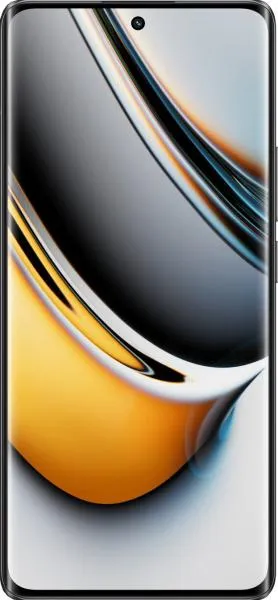
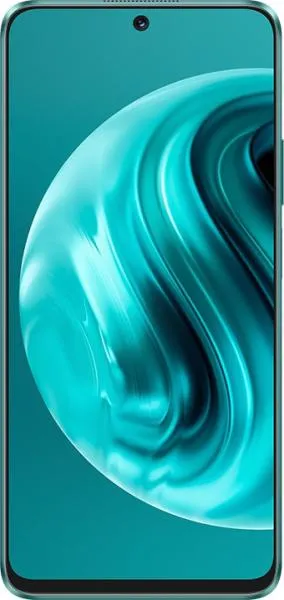
1. Specifications Comparison
| Feature | Realme 11 Pro | Huawei nova 12i | Practical Impact |
|---|---|---|---|
| Design | |||
| Dimensions (mm) | 161.7 x 73.9 x 8.2 | 163.3 x 74.7 x 8.4 | Realme 11 Pro is slightly smaller and thinner. |
| Weight (g) | 183 | 199 | Realme 11 Pro is noticeably lighter, improving one-handed use. |
| Fingerprint Sensor | Under-display | Side-mounted | Preference-dependent; under-display feels more modern. |
| Display | |||
| Display Type | AMOLED | IPS LCD | Realme's AMOLED offers deeper blacks, vibrant colors, and better power efficiency in dark mode. |
| Display Size (inches) | 6.7 | 6.7 | Same screen size. |
| Resolution (px) | 1080 x 2412 | 1080 x 2388 | Negligible difference in resolution. |
| Refresh Rate (Hz) | 120 | 90 | Realme 11 Pro provides a smoother scrolling and gaming experience with its higher refresh rate. |
| Peak Brightness (nits) | 950 | Not specified | Realme 11 Pro likely offers better outdoor visibility, but we can't confirm without the Nova 12i's peak brightness. |
| Performance | |||
| Chipset | Mediatek Dimensity 7050 (6nm) | Qualcomm Snapdragon 680 4G (6nm) | Dimensity 7050 generally offers better performance, especially in graphics-intensive tasks. |
| CPU | Octa-core (2x2.6 GHz Cortex-A78 & 6x2.0 GHz Cortex-A55) | Octa-core (4x2.4 GHz Cortex-A73 & 4x1.9 GHz Cortex-A53) | Dimensity 7050's faster cores should provide a more responsive experience. |
| GPU | Mali-G68 MC4 | Adreno 610 | Mali-G68 MC4 significantly outperforms Adreno 610 in gaming and other GPU-dependent tasks. |
| RAM (GB) | 8/12 | 8 | Realme offers a 12GB RAM option for enhanced multitasking. |
| Camera | |||
| Main Camera (MP) | 100 | 108 | Huawei has a slightly higher resolution sensor, but image quality depends on many factors, not just megapixels. |
| Selfie Camera (MP) | 16 | 8 | Realme offers a higher resolution selfie camera. |
| Video Recording | Up to 4K@30fps with EIS | Up to 1080p@30fps | Realme offers superior video recording capabilities, including 4K resolution and Electronic Image Stabilization (EIS). |
| Battery | |||
| Capacity (mAh) | 5000 | 5000 | Same battery capacity. Real-world battery life will depend on usage and optimization. |
2. Key Differences Analysis
Realme 11 Pro Advantages:
- Superior Display: AMOLED with 120Hz refresh rate provides a significantly better visual experience.
- Better Performance: Dimensity 7050 chipset and Mali-G68 MC4 GPU outperform the Snapdragon 680 and Adreno 610, leading to smoother gaming and faster app loading.
- Enhanced Video Recording: 4K recording with EIS enables higher quality video capture.
Huawei nova 12i Advantages:
- Potentially Lower Price: Depending on specific market and deals, it might be more affordable. (Although we have similar pricing in our data)
- Slightly Higher Resolution Main Camera: 108MP sensor might offer more detail in ideal conditions. However, real-world performance needs further review.
3. User Profiles & Recommendations
Realme 11 Pro: Suited for users who prioritize display quality, performance, and mobile photography/videography. Ideal for gamers, content consumers, and social media enthusiasts.
Huawei nova 12i: Best for budget-conscious users who primarily use their phones for basic tasks like calling, texting, browsing, and casual photography. Suitable for users who prioritize battery life and affordability over top-tier performance.
4. Decision Framework
Key Questions for Buyers:
- What is your budget?
- What are your primary phone usage patterns? (Gaming, photography, social media, basic communication)
- How important is display quality and overall performance?
Scenario-Based Recommendations:
- Gamer: Realme 11 Pro for its superior performance and smoother display.
- Photographer/Videographer: Realme 11 Pro for its 4K recording and potentially better overall camera system.
- Budget-Conscious User: Huawei nova 12i if the price difference is significant and performance is not a primary concern.
My Choice: Realme 11 Pro
The Realme 11 Pro offers a significantly better user experience due to its superior AMOLED display with a 120Hz refresh rate, a more powerful processor and GPU, and superior video recording capabilities. While the Huawei nova 12i might have a slightly higher resolution main camera sensor, the overall package offered by the Realme 11 Pro, especially concerning performance and display, makes it the clear winner for me. I value a smooth and responsive user experience, which the Realme 11 Pro delivers. The slightly higher weight of the Nova 12i also detracts from its overall appeal.
