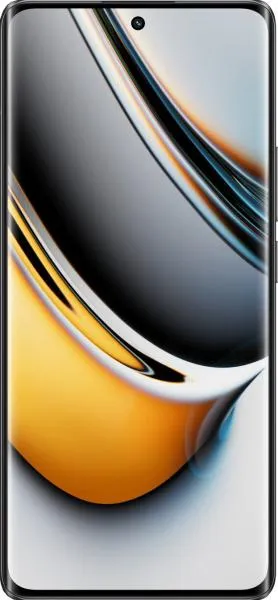

1. Specifications Comparison
| Feature | Realme 11 Pro | Honor 90 | Practical Impact |
|---|---|---|---|
| Design | |||
| Dimensions (mm) | 161.7 x 73.9 x 8.2 | 161.9 x 74.1 x 7.8 | Virtually identical dimensions; negligible difference in hand feel. |
| Weight (g) | 183 | 183 | Same weight; no discernible difference in handling. |
| Display | |||
| Size (inches) | 6.7 | 6.7 | Same screen size; equal media consumption experience. |
| Resolution | 1080 x 2412 | 1200 x 2664 | Honor 90 has a sharper display with noticeably higher pixel density, leading to clearer text and images. |
| Panel Type | AMOLED | AMOLED | Both offer vibrant colors and deep blacks. |
| Refresh Rate (Hz) | 120 | 120 | Both offer smooth scrolling and animations. |
| Peak Brightness (nits) | 950 | 1600 | Honor 90's significantly higher peak brightness ensures better visibility outdoors, especially in sunlight. |
| Performance | |||
| Chipset | Mediatek Dimensity 7050 (6 nm) | Qualcomm Snapdragon 7 Gen 1 Accelerated Edition (4 nm) | Honor 90's more advanced and efficient chipset will likely offer better performance in demanding tasks and games, with improved power efficiency. |
| CPU | Octa-core (2x2.6 GHz Cortex-A78 & 6x2.0 GHz Cortex-A55) | Octa-core (1x2.5 GHz Cortex-A710 & 3x2.36 GHz Cortex-A710 & 4x1.8 GHz Cortex-A510) | Honor 90 boasts a more modern CPU architecture, potentially translating to faster processing speeds and better multitasking. |
| GPU | Mali-G68 MC4 | Adreno 644 | While specific benchmarks are needed, the Adreno 644 in the Honor 90 generally offers superior graphics performance compared to the Mali-G68 MC4, beneficial for gaming. |
| RAM (GB) | 8/12 | 8/12/16 | Both offer configurations with ample RAM for smooth multitasking. The 16GB option on the Honor 90 provides future-proofing for demanding applications. |
| Camera | |||
| Main Camera (MP) | 100 | 200 | Honor 90 has a significantly higher resolution main sensor, potentially capturing more detail. However, megapixels alone don't guarantee image quality. Real-world image comparisons are crucial. |
| Front Camera (MP) | 16 | 50 | Honor 90's higher resolution front camera suggests better selfie quality. |
| Video Recording | 4K@30fps, 1080p@120fps, 720p@960fps | 4K@30fps, 1080p@60fps | Realme offers higher slow-motion video recording capabilities. Honor 90 lacks 960fps slow-motion. |
| Battery | |||
| Capacity (mAh) | 5000 | 5000 | Identical battery capacity; expected similar battery life, although real-world usage can vary due to chipset efficiency and software optimization. |
2. Key Differences Analysis
Realme 11 Pro Advantages:
- Higher Slow-Motion Video Recording: Offers more dramatic slow-motion capture.
- Potentially More Affordable: Depending on specific configurations, the Realme may be priced lower.
Honor 90 Advantages:
- Sharper Display: Higher resolution and pixel density result in a noticeably clearer visual experience.
- Brighter Display: Superior outdoor visibility due to higher peak brightness.
- More Powerful & Efficient Chipset: Likely better performance and battery life thanks to the Snapdragon 7 Gen 1 Accelerated Edition.
- Higher Resolution Cameras: Potentially capturing more detail in photos, particularly with the main and selfie cameras.
3. User Profiles & Recommendations
Realme 11 Pro: Budget-conscious users prioritizing slow-motion video recording.
Honor 90: Users prioritizing performance, display quality, and potentially better camera quality. Suitable for gaming, media consumption, and photography enthusiasts.
4. Decision Framework
Key Questions:
- What is your budget? The Realme 11 Pro is likely more affordable.
- What are your primary use cases? Gaming and media consumption favor the Honor 90 due to its superior chipset and display. Slow-motion video enthusiasts might prefer the Realme.
- How important is display quality? The Honor 90's sharper and brighter display is a significant advantage.
My Choice: Honor 90
While lacking 960fps slow-motion video recording, the Honor 90 offers a more compelling overall package. Its superior display, more powerful and efficient processor, and potentially better camera system outweigh the Realme's advantages for my needs. The sharper resolution and higher brightness would significantly enhance my daily usage, and the performance boost offered by the Snapdragon chipset is crucial for demanding tasks and ensures smoother long-term usage. While megapixel count isn't everything, the higher resolution cameras on the Honor 90 suggest a potential advantage in image quality, which I would confirm through sample image comparisons before making a final decision.
