1. Specifications Comparison
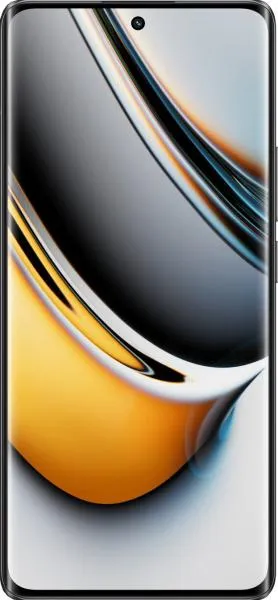
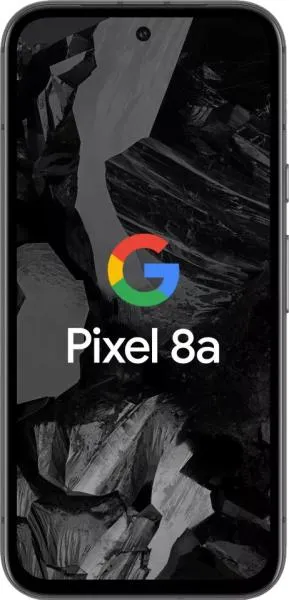
| Feature | Realme 11 Pro | Google Pixel 8a | Practical Impact |
|---|---|---|---|
| Design | |||
| Dimensions (mm) | 161.7 x 73.9 x 8.2 | 152.1 x 72.7 x 8.9 | Pixel 8a is noticeably smaller and slightly thicker. Easier one-handed use for Pixel 8a. |
| Weight (g) | 183 | 188 | Negligible weight difference in real-world usage. |
| Build | Not specified | Not specified | Build quality impact unknown without material information. |
| Display | |||
| Display Type | AMOLED | OLED | Both offer excellent contrast and deep blacks. Realme's AMOLED might offer slightly more vibrant colors, but real-world difference can be minimal. |
| Size (inches) | 6.7 | 6.1 | Realme offers a significantly larger screen for media consumption. Pixel 8a is more pocketable. |
| Resolution | 1080 x 2412 | 1080 x 2400 | Similar sharpness due to Pixel 8a's smaller screen size resulting in higher PPI (430 vs 394). |
| Refresh Rate (Hz) | 120 | 120 | Both offer smooth scrolling and animations. |
| Peak Brightness (nits) | 950 | 2000 (stated) | Pixel 8a's significantly higher peak brightness should offer superior outdoor visibility. However, real-world performance needs review as stated values can differ. |
| Performance | |||
| Chipset | Mediatek Dimensity 7050 (6 nm) | Google Tensor G3 (4 nm) | Tensor G3, with its more advanced architecture and smaller process node, is expected to deliver significantly better performance and efficiency. |
| CPU | Octa-core (2x2.6 GHz A78 & 6x2.0 GHz A55) | Nona-core (1x3.0 GHz X3 & 4x2.45 GHz A715 & 4x2.15 GHz A510) | Pixel 8a's CPU configuration suggests a substantial performance advantage in demanding tasks and multitasking. |
| GPU | Mali-G68 MC4 | Immortalis-G715s MC10 | Pixel 8a's GPU should provide a much better gaming experience and handle graphics-intensive tasks more efficiently. |
| RAM (GB) | 8 | 8 | Similar RAM capacity. |
| Camera | |||
| Main Camera (MP) | 100 | 64 | Realme boasts higher megapixel count, but Pixel's computational photography prowess often outweighs raw sensor resolution. Real-world image quality comparison needed. |
| Ultrawide (MP) | Not specified | 13 | Pixel 8a offers ultrawide capabilities, providing wider field of view for landscape and group photos. |
| Selfie (MP) | 16 | 13 | Realme has a slightly higher resolution selfie camera. |
| Video | Up to 4K@30fps, 720p@960fps | Up to 4K@60fps, 1080p@240fps | Pixel 8a supports higher resolution and frame rate video recording, offering better quality and smoother slow-motion. |
| Battery | |||
| Capacity (mAh) | 5000 | 4492 | Realme offers a larger battery capacity, potentially leading to longer battery life. However, actual usage time depends on various factors, including chip efficiency. |
| Charging Speed | Not specified | Not specified | Charging speed comparison impossible without specific data. |
2. Key Differences Analysis
Realme 11 Pro Advantages:
- Larger Display: Better for media consumption and gaming.
- Potentially Longer Battery Life: Larger battery capacity suggests longer usage time, but real-world performance depends on optimization.
Google Pixel 8a Advantages:
- Significantly More Powerful: Tensor G3 chip offers major performance and efficiency advantages for demanding tasks, gaming, and AI processing.
- Superior Camera System (Expected): While Realme has a higher megapixel count, Google's computational photography typically results in better image quality. Ultrawide lens adds versatility.
- Smaller Form Factor: Easier one-handed use and portability.
- Longer Software Support: Pixel phones typically receive longer OS and security updates.
- Brighter Display: Better outdoor visibility.
Trade-offs:
- Realme: Larger display and battery come at the cost of portability. Performance significantly lags behind Pixel 8a.
- Pixel: Smaller battery capacity might result in shorter battery life compared to Realme, despite the more efficient chip. Smaller display might be less appealing for media consumption.
3. User Profiles & Recommendations
Realme 11 Pro: Users prioritizing a large display for media consumption, casual gaming, and long battery life on a budget. Suitable for users who don't demand high performance or cutting-edge camera features.
Google Pixel 8a: Users who value performance, a smooth and responsive experience, excellent camera quality, and timely software updates. Ideal for power users, gamers, photography enthusiasts, and those who rely on their phones for demanding tasks.
4. Decision Framework
Key Questions:
- What is your budget? The Pixel 8a is generally more expensive.
- What are your primary phone usage patterns? (e.g., media consumption, gaming, photography, productivity)
- How important are software updates and long-term support?
Scenario-Based Recommendations:
- Tight Budget, Media Consumption Focus: Realme 11 Pro
- Balanced Budget, All-Around Performance: Google Pixel 8a
- Power User, Photography Enthusiast: Google Pixel 8a
My Choice: Google Pixel 8a
While the Realme 11 Pro offers a larger display and potentially longer battery life, the Pixel 8a's superior performance, expected camera quality, longer software support, and brighter display make it a more compelling overall package for my needs. I prioritize a smooth and responsive user experience, and the Tensor G3 chip delivers that. The compact form factor is also appealing. While battery life is a concern, I believe the Tensor G3's efficiency will mitigate the smaller battery capacity to some extent. I am also willing to pay a premium for the significantly better overall user experience and longer-term value offered by the Pixel 8a.
