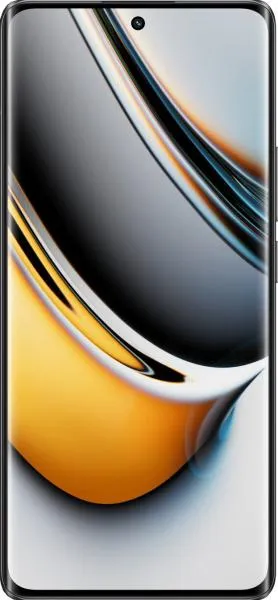

1. Specifications Comparison
| Feature | Realme 11 Pro | Google Pixel 8 | Practical Impact |
|---|---|---|---|
| Design | |||
| Dimensions (mm) | 161.7 x 73.9 x 8.2 | 150.5 x 70.8 x 8.9 | Pixel 8 is noticeably smaller and slightly thicker. Realme 11 Pro might feel larger in hand. |
| Weight (g) | 183 | 187 | Negligible weight difference in real-world usage. |
| Display | |||
| Type | AMOLED | OLED | Both offer excellent contrast and deep blacks. Subjective preference for vibrancy (AMOLED) vs. accuracy (OLED). |
| Size | 6.7" | 6.2" | Larger display on Realme offers more immersive content consumption but reduced one-handed usability. |
| Resolution | 1080 x 2412 | 1080 x 2400 | Virtually identical sharpness despite slight difference. |
| Refresh Rate | 120Hz | 120Hz | Both offer smooth scrolling and animations. |
| Peak Brightness | 950 nits | 2000 nits | Pixel 8's significantly higher peak brightness ensures better outdoor visibility. |
| Performance | |||
| Chipset | Mediatek Dimensity 7050 (6 nm) | Google Tensor G3 (4 nm) | Tensor G3 expected to offer significantly better performance and AI capabilities due to newer architecture and Google's optimizations. |
| CPU | Octa-core (2x2.6 GHz A78 & 6x2.0 GHz A55) | Nona-core (1x3.0 GHz X3 & 4x2.45 GHz A715 & 4x2.15 GHz A510) | Tensor G3's more powerful cores and advanced architecture translate to faster processing, smoother multitasking, and better gaming performance. |
| GPU | Mali-G68 MC4 | Immortalis-G715s MC10 | Immortalis-G715s should provide a significant advantage in graphics performance for demanding games and applications. |
| RAM | 8GB/12GB | 8GB | 12GB RAM option on Realme could offer slightly improved multitasking for power users. 8GB is generally sufficient for most users. |
| OS | Android 13 | Android 14 | Pixel 8 benefits from the latest Android version with newer features and longer software support guaranteed by Google. Realme's update schedule is less certain. |
| Camera | |||
| Main Camera | 100MP (OmniVision OVA0B40) | 50MP (Samsung GNV) | Higher resolution on Realme doesn't guarantee better image quality. Pixel's computational photography and superior processing often outperform higher megapixel counts. |
| Selfie Camera | 16MP (Samsung S5K3P9) | 10.8MP (Samsung S5K3J1) | Realme offers higher resolution for selfies. Image quality will depend on processing and lens quality. |
| Video | 4K@30fps, 1080p@120fps | 4K@60fps, 1080p@240fps | Pixel 8 offers superior video recording capabilities with higher resolution and frame rates, along with better stabilization. |
| Battery | |||
| Capacity | 5000 mAh | 4575 mAh | Realme offers larger battery capacity, potentially translating to longer battery life. Actual usage will depend on various factors including software optimization and display usage. |
| Charging | Information Missing | Information Missing | Unable to compare charging speeds without specific details. |
2. Key Differences Analysis
Realme 11 Pro Advantages:
- Larger Display: More immersive for media consumption.
- Larger Battery: Potential for longer battery life.
- Higher Resolution Main Camera: Potentially more detail in good lighting conditions.
- Lower Price: Generally more affordable than the Pixel 8.
Google Pixel 8 Advantages:
- Significantly Better Performance: Smoother multitasking, faster app loading, superior gaming experience.
- Superior Camera System: Likely to produce better images and videos overall due to Google's advanced image processing.
- Latest Android Version and Longer Software Updates: Access to new features and security updates for a longer period.
- Brighter Display: Better outdoor visibility.
- More Powerful GPU: Better gaming and graphics-intensive tasks.
3. User Profiles & Recommendations
Realme 11 Pro: Budget-conscious users prioritizing a large display and long battery life for media consumption and casual gaming.
Google Pixel 8: Users prioritizing performance, camera quality, the latest software features, and long-term software support. Suitable for demanding tasks, mobile photography enthusiasts, and those seeking a premium Android experience.
4. Decision Framework
Key Questions for Buyers:
- What is your budget? The Realme 11 Pro is more affordable.
- What are your primary smartphone usage patterns? (e.g., gaming, photography, social media, media consumption)
- How important are software updates and long-term support? Pixel 8 excels in this area.
My Choice: Google Pixel 8
While the Realme 11 Pro offers a larger display and battery, the Pixel 8's superior performance, significantly better camera system, and guaranteed long-term software updates make it the better choice for me. The Tensor G3 chip provides a noticeable real-world performance advantage, and Google's computational photography consistently delivers excellent image quality. The longer software support ensures the phone will remain secure and up-to-date for a longer period, making it a more valuable long-term investment. Although the Pixel 8 is more expensive, the improved user experience justifies the price premium. The smaller size of the Pixel 8 is also preferable for me for one-handed usability.
