1. Specifications Comparison
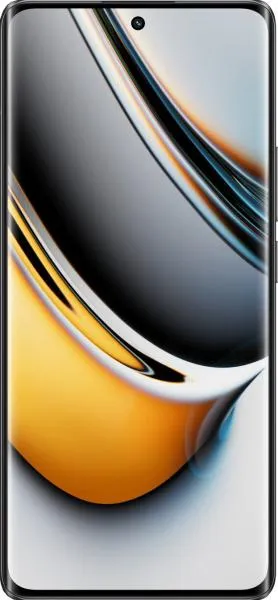
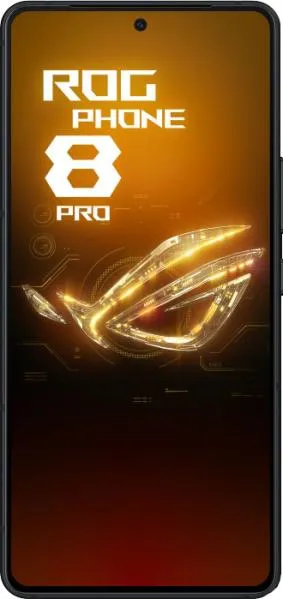
| Feature | Realme 11 Pro | Asus ROG Phone 8 Pro | Practical Impact |
|---|---|---|---|
| Design | |||
| Dimensions (mm) | 161.7 x 73.9 x 8.2 | 163.8 x 76.8 x 8.9 | ROG Phone 8 Pro is slightly larger and thicker. |
| Weight (g) | 183 | 225 | ROG Phone 8 Pro is noticeably heavier, potentially impacting one-handed use. |
| Display | |||
| Display Type | AMOLED, 120Hz | LTPO AMOLED, 165Hz | ROG Phone 8 Pro offers a more responsive and potentially power-efficient display with its higher refresh rate and LTPO technology. Smoother scrolling and animations. |
| Peak Brightness (nits) | 950 | 2500 | ROG Phone 8 Pro offers significantly better outdoor visibility. |
| Resolution | 1080 x 2412 | 1080 x 2400 | Negligible difference in sharpness. |
| Performance | |||
| Chipset | Mediatek Dimensity 7050 (6 nm) | Qualcomm Snapdragon 8 Gen 3 (4 nm) | ROG Phone 8 Pro boasts a significantly more powerful processor, resulting in much faster performance in demanding tasks and gaming. |
| CPU | Octa-core (2x2.6 GHz Cortex-A78 & 6x2.0 GHz Cortex-A55) | Octa-core (1x3.3 GHz Cortex-X4 & 3x3.2 GHz Cortex-A720 & 2x3.0 GHz Cortex-A720 & 2x2.3 GHz Cortex-A520) | The ROG Phone 8 Pro's CPU architecture is newer and more powerful, offering superior performance. |
| GPU | Mali-G68 MC4 | Adreno 750 | ROG Phone 8 Pro provides significantly better graphics performance, crucial for high-end gaming and demanding applications. |
| RAM | 8GB/12GB | 16GB/24GB | ROG Phone 8 Pro offers substantially more RAM, enabling superior multitasking and smoother performance with memory-intensive applications. |
| Storage | 256GB/512GB | 512GB/1TB | ROG Phone 8 Pro offers more storage options for users with large media libraries. |
| Camera | |||
| Main Camera | 100MP | 50MP | Realme has higher resolution, but sensor size and other factors contribute to overall image quality, which can't be determined from specs alone. |
| Ultrawide | Not specified | 13MP | ROG Phone 8 Pro offers an ultrawide lens for broader perspectives. |
| Telephoto | Not specified | 32MP | ROG Phone 8 Pro features a telephoto lens for optical zoom. |
| Video | 4K@30fps | 8K@24fps | ROG Phone 8 Pro supports higher resolution video recording. |
| Battery | |||
| Capacity | 5000 mAh | 5500 mAh | ROG Phone 8 Pro has a slightly larger battery, but real-world battery life depends on various factors like display, processor efficiency, and software optimization. |
2. Key Differences Analysis
Realme 11 Pro Advantages:
- Potentially more affordable: Belongs to a "medium price" range, likely costing significantly less than the ROG Phone 8 Pro.
- Lighter and more compact: Easier for one-handed use and portability.
Asus ROG Phone 8 Pro Advantages:
- Significantly more powerful: Superior CPU, GPU, and RAM for demanding tasks and gaming.
- Higher quality display: LTPO AMOLED with higher refresh rate and peak brightness.
- More versatile camera system: Includes ultrawide and telephoto lenses.
- Larger battery: Potential for longer battery life.
3. User Profiles & Recommendations
Realme 11 Pro: Budget-conscious users who prioritize affordability and a lightweight design for everyday tasks like social media, web browsing, and casual photography.
Asus ROG Phone 8 Pro: Mobile gamers, power users, and content creators who demand top-tier performance, a high-quality display, and a versatile camera system.
4. Decision Framework
Key Questions for Buyers:
- What is your budget? The ROG Phone 8 Pro is significantly more expensive.
- What are your primary use cases? Gaming and demanding tasks benefit from the ROG Phone 8 Pro's power; everyday tasks can be handled efficiently by the Realme 11 Pro.
- What are your priorities in a smartphone? Performance, display quality, camera versatility, battery life, affordability, and portability should be weighed against individual needs.
My Choice: Asus ROG Phone 8 Pro
While the Realme 11 Pro offers a compelling value proposition for its price, the Asus ROG Phone 8 Pro is the clear winner for me. The significant performance difference, superior display, more versatile camera system, and larger battery justify the higher price. As someone who values a smooth and responsive user experience, the powerful Snapdragon 8 Gen 3, coupled with the 165Hz LTPO AMOLED display, is a major draw. The inclusion of an ultrawide and telephoto lens enhances photographic creativity. While the added weight is a minor drawback, the overall performance and feature set of the ROG Phone 8 Pro make it the superior choice for my needs. I prioritize long-term performance and a future-proof device, and the ROG Phone 8 Pro delivers on those aspects.
