1. Specifications Comparison
| Feature | Realme 11 Pro+ | Honor X7b | Practical Impact |
|---|---|---|---|
| Design | |||
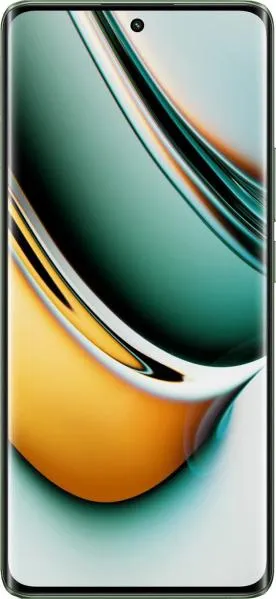
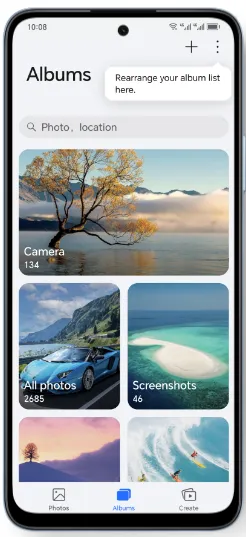
| Dimensions (mm) | 161.6 x 73.9 x 8.2 | 166.7 x 76.5 x 8.2 | Realme 11 Pro+ is slightly smaller and may feel more comfortable in hand. |
| Weight (g) | 183 | 199 | Realme 11 Pro+ is noticeably lighter, reducing hand fatigue during extended use. |
| Display | |||
| Display Type | AMOLED | IPS LCD | Realme's AMOLED offers deeper blacks, more vibrant colors, and better power efficiency in dark mode. Honor's IPS LCD may offer better visibility in direct sunlight. |
| Display Size (inches) | 6.7 | 6.8 | Negligible difference in screen real estate. |
| Resolution | 1080 x 2412 | 1080 x 2412 | Identical resolution, resulting in similar sharpness. |
| Refresh Rate (Hz) | 120 | 90 | Realme 11 Pro+ provides a smoother scrolling and gaming experience due to the higher refresh rate. |
| Peak Brightness (nits) | 950 | 850 (unverified) | Realme should be brighter and more visible outdoors although the Honor value is unverified. |
| Performance | |||
| Chipset | MediaTek Dimensity 7050 | Qualcomm Snapdragon 680 4G | Dimensity 7050 generally offers better performance in demanding tasks and gaming compared to the Snapdragon 680. |
| CPU | Octa-core (2x2.6 GHz Cortex-A78 & 6x2.0 GHz Cortex-A55) | Octa-core (4x2.4 GHz Kryo 265 Gold & 4x1.9 GHz Kryo 265 Silver) | Dimensity 7050's higher clock speed and more powerful cores suggest better multi-core performance. |
| GPU | Mali-G68 MC4 | Adreno 610 | Mali-G68 MC4 generally provides a smoother gaming experience compared to Adreno 610. |
| RAM (GB) | 8/12 | 6/8 | More RAM in certain Realme versions enables better multitasking and app switching. |
| Camera | |||
| Main Camera (MP) | 200 | 108 | Realme has significantly higher resolution, potentially capturing more detail. Image quality depends on sensor and processing, not just megapixels. |
| Video Recording | Up to 4K@30fps with EIS | 1080p@30fps | Realme offers higher resolution video recording and Electronic Image Stabilization (EIS) at higher resolutions. |
| Battery | |||
| Capacity (mAh) | 5000 | 5330 | Honor X7b has a slightly larger battery, potentially offering longer battery life. Real-world usage will vary. |
2. Key Differences Analysis
Realme 11 Pro+ Advantages:
- Superior Display: AMOLED with 120Hz refresh rate offers a significantly better visual experience.
- Better Performance: Dimensity 7050 chipset and higher RAM options provide smoother multitasking and gaming.
- Higher Resolution Camera: 200MP main camera potentially captures more detail.
- Superior Video Recording: 4K recording with EIS.
Honor X7b Advantages:
- Larger Battery: Potentially longer battery life, but real-world usage will depend on various factors.
- Lower Price: Offers a more budget-friendly option.
Trade-offs:
- Realme prioritizes performance and display quality over battery capacity and price.
- Honor compromises on performance and display for a larger battery and lower price point.
3. User Profiles & Recommendations
Realme 11 Pro+: Users who prioritize performance, a vibrant display, and mobile photography/videography. Suitable for gaming, media consumption, and content creation.
Honor X7b: Users seeking a budget-friendly device with a large battery for basic tasks like calling, texting, and browsing. Ideal for users with light usage patterns.
4. Decision Framework
Key Questions for Buyers:
- What is your budget? The Honor X7b is significantly cheaper.
- What are your primary use cases? Gaming and media consumption benefit from the Realme's superior performance and display.
- How important is battery life? While the Honor has a larger battery, real-world usage may vary.
Scenario-Based Recommendations:
- Tight budget and basic usage: Honor X7b
- Balanced performance and price: Realme 11 Pro+ (base model)
- Demand for high performance and premium display: Realme 11 Pro+ (higher RAM variant)
My Choice: Realme 11 Pro+
While the Honor X7b offers a tempting price, the Realme 11 Pro+ provides a significantly better overall user experience. The AMOLED display with a 120Hz refresh rate, the more powerful Dimensity 7050 chipset, and the higher resolution camera are substantial advantages that outweigh the slightly smaller battery and higher price. I prioritize a smooth and responsive user experience, a vibrant display, and good camera capabilities, making the Realme 11 Pro+ the better choice for my needs. The price difference is justifiable for the noticeable upgrade in quality and performance. I am also willing to carry a power bank if needed to compensate for the potentially smaller battery life.
