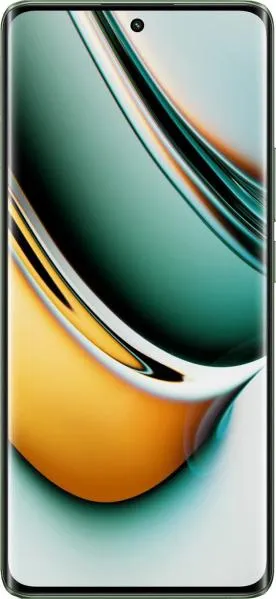
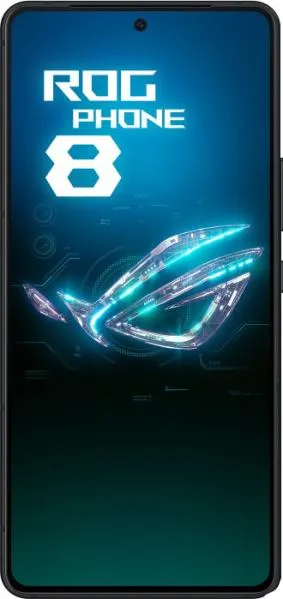
1. Specifications Comparison
| Feature | Realme 11 Pro+ | Asus ROG Phone 8 | Practical Impact |
|---|---|---|---|
| Design | |||
| Dimensions (mm) | 161.6 x 73.9 x 8.2 | 163.8 x 76.8 x 8.9 | ROG Phone 8 is slightly larger and thicker. |
| Weight (g) | 183 | 225 | ROG Phone 8 is noticeably heavier (42g difference). Impacts one-handed use and portability. |
| Display | |||
| Size (inches) | 6.7 | 6.78 | Negligible size difference. |
| Resolution | 1080 x 2412 | 1080 x 2400 | Virtually identical sharpness. |
| Type | AMOLED, 120Hz | LTPO AMOLED, 165Hz | ROG Phone 8 has a more advanced display with higher refresh rate (smoother animations/scrolling) and LTPO technology for better power efficiency. |
| Peak Brightness | 950 nits | 2500 nits | ROG Phone 8 significantly brighter, crucial for outdoor visibility. |
| Performance | |||
| Chipset | Mediatek Dimensity 7050 (6nm) | Qualcomm Snapdragon 8 Gen 3 (4nm) | ROG Phone 8 has a significantly more powerful and efficient processor, leading to much better performance in demanding tasks and games. |
| CPU | Octa-core (2x2.6 GHz A78 & 6x2.0 GHz A55) | Octa-core (1x3.3 GHz X4 & 3x3.2 GHz A720 & 2x3.0 GHz A720 & 2x2.3 GHz A520) | ROG Phone 8 has a newer CPU architecture and higher clock speeds, resulting in a substantial performance advantage. |
| GPU | Mali-G68 MC4 | Adreno 750 | ROG Phone 8 has a more powerful GPU, providing a superior gaming and graphics-intensive experience. |
| RAM | 8GB/12GB | 12GB/16GB | ROG Phone 8 offers higher RAM configurations for better multitasking and demanding applications. |
| Camera | |||
| Main Camera | 200MP (Samsung HP3) | 50MP (Sony IMX890) | While Realme boasts higher resolution, Sony sensors are generally renowned for image quality. Practical difference depends on sensor tuning and processing. |
| Ultrawide | 8MP | 13MP | ROG Phone 8 likely to offer better ultrawide photos with higher resolution. |
| Video | Up to 4K@30fps | Up to 8K@24fps | ROG Phone 8 supports higher resolution video recording. |
| Battery | |||
| Capacity | 5000 mAh | 5500 mAh | ROG Phone 8 has a slightly larger battery capacity. |
2. Key Differences Analysis
Realme 11 Pro+ Advantages:
- Potentially better value: Lower price for decent specifications.
- Higher resolution main camera: 200MP offers potentially more detail, but real-world performance depends on image processing.
Asus ROG Phone 8 Advantages:
- Significantly more powerful: Snapdragon 8 Gen 3 offers a huge performance leap.
- Superior Display: Higher refresh rate, brighter screen, and LTPO technology for smoother visuals and better battery life.
- Larger Battery: Offers more capacity for longer usage.
- Gaming Focused Features: Likely includes gaming-specific software and hardware enhancements (not detailed in specs). Side-mounted USB-C port is optimized for landscape gaming. DisplayPort for connecting to external displays.
3. User Profiles & Recommendations
Realme 11 Pro+:
- Budget-conscious users: Prioritize affordability over top-tier performance.
- Casual users: Primarily use phone for social media, browsing, and light photography.
Asus ROG Phone 8:
- Gamers: Demands top-tier performance and smooth gameplay.
- Power users: Need a phone for demanding tasks, multitasking, and content creation.
- Enthusiasts: Value cutting-edge technology and premium features.
4. Decision Framework
Key Questions for Buyers:
- What is your budget? ROG Phone 8 is significantly more expensive.
- What are your primary use cases? Gaming and demanding tasks favor the ROG Phone 8. Casual use makes Realme 11 Pro+ a potentially good value.
- How important is display quality and battery life? ROG Phone 8 excels in these areas.
My Choice: Asus ROG Phone 8
While the Realme 11 Pro+ offers a tempting price, the Asus ROG Phone 8's superior performance, display, and battery life are decisive factors for me. The Snapdragon 8 Gen 3 provides a substantial real-world performance advantage that will be noticeable in everyday use and especially in demanding tasks and gaming. The 165Hz LTPO display and increased peak brightness offer a tangible improvement in visual experience. While I acknowledge the higher price, the ROG Phone 8's advanced features justify the cost for my usage pattern, which involves gaming, multitasking, and content consumption. The side-mounted USB-C and DisplayPort further cement its position as a device geared towards power users and gamers. The Realme's 200MP camera is intriguing, but without concrete image quality comparisons, the proven Sony sensor in the ROG Phone 8 coupled with its superior overall package makes it the clear winner for me.
