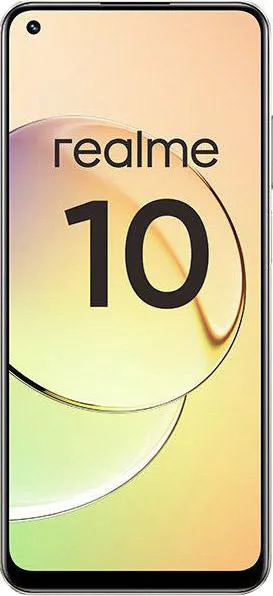
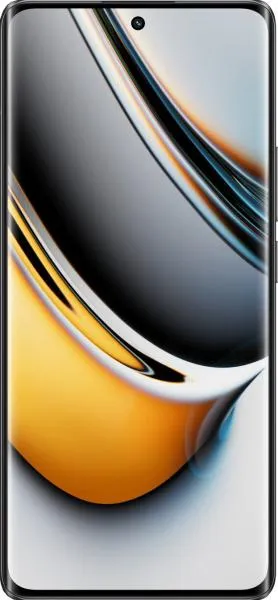
Realme 10 vs. Realme 11 Pro: A Deep Dive for the Discerning User
The mid-range smartphone arena is fiercely competitive, and Realme continues to be a major player. Today, we'll dissect the Realme 10 and the Realme 11 Pro, two devices vying for your attention. Let's move beyond the marketing hype and delve into the engineering nuts and bolts to see which phone truly delivers.
1. Specifications Breakdown
| Feature | Realme 10 | Realme 11 Pro | Real-World Implications |
|---|---|---|---|
| Design | |||
| Dimensions (mm) | 159.9 x 73.3 x 8 | 161.7 x 73.9 x 8.2 | Realme 11 Pro is slightly larger and heavier. Negligible difference in daily use. |
| Weight (g) | 178 | 183 | Virtually identical; both feel light and comfortable in hand. |
| Display | |||
| Size (inches) | 6.4 | 6.7 | Realme 11 Pro offers a larger screen for more immersive content consumption. |
| Type | Super AMOLED | AMOLED | Both offer vibrant colors and deep blacks. |
| Refresh Rate (Hz) | 90 | 120 | Realme 11 Pro's 120Hz provides smoother scrolling and animations. |
| Peak Brightness | 1000 nits | 950 nits | Both are bright enough for outdoor use; Realme 10 has a slight edge. |
| Performance | |||
| Chipset | Helio G99 | Dimensity 7050 | Dimensity 7050 offers better CPU and GPU performance, leading to faster multitasking. |
| CPU | 2x2.2 GHz A76, 6x2.0 GHz A55 | 2x2.6 GHz A78, 6x2.0 GHz A55 | Realme 11 Pro has more powerful cores, resulting in snappier app loading and gaming. |
| RAM (base) | 4GB | 8GB | Realme 11 Pro's larger RAM enables smoother multitasking and less frequent app reloading. |
| Camera | |||
| Main Sensor | 50MP Samsung | 100MP OmniVision | Realme 11 Pro boasts higher resolution, potentially capturing more detail. |
| OIS | No | Yes | Realme 11 Pro's optical image stabilization reduces blur in photos and videos. |
| Video | 1080p@30fps | 4K@30fps | Realme 11 Pro offers superior video recording capabilities. |
| Battery Life | |||
| Capacity (mAh) | 5000 | 5000 | Identical battery capacity; real-world usage will depend on optimization and usage patterns. |
2. Key Insights
The Realme 11 Pro clearly boasts superior hardware across the board: a faster processor, more RAM, a higher-resolution camera with OIS, and a smoother display. However, the Realme 10 holds its own with a vibrant Super AMOLED display and a surprisingly capable Helio G99 chipset for day-to-day tasks. The differences in peak brightness are negligible in real-world use.
3. User Profiles and Recommendations
Realme 10: Ideal for budget-conscious users who prioritize essential smartphone functions—calling, texting, social media, casual photography—without demanding top-tier performance or cutting-edge features. Students and casual users will find this phone perfectly adequate.
Realme 11 Pro: Designed for users who crave a more premium experience. Mobile gamers, photography enthusiasts, and those who demand smooth multitasking will appreciate the enhanced performance, superior camera, and higher refresh rate display.
4. Buying Decision Framework
What's your budget? The Realme 10 offers excellent value for its price, while the Realme 11 Pro commands a premium for its upgraded features.
What are your primary smartphone uses? If your needs are basic, the Realme 10 suffices. For demanding tasks and multimedia consumption, the Realme 11 Pro is the better choice.
How important is future-proofing? The Realme 11 Pro, with its 5G connectivity, more powerful processor, and larger RAM, is better equipped for the long haul.
My Choice: Realme 11 Pro
While the Realme 10 offers great value, I'd choose the Realme 11 Pro. The performance jump offered by the Dimensity 7050, coupled with the significantly improved camera system (especially the inclusion of OIS) and the smoother 120Hz display, creates a noticeably more enjoyable user experience. As a tech enthusiast, I appreciate having headroom for demanding tasks and future software updates. The price difference, while noticeable, is justified by the tangible benefits the Pro model provides in terms of performance, longevity, and overall user satisfaction. It's an investment in a smoother, faster, and more capable device that will better handle evolving mobile demands.
