Oppo Reno7 vs. Xiaomi 13 Pro: A Deep Dive for the Discerning Smartphone User
Hello everyone, Alex Griffin here, and today we're dissecting two compelling smartphones: the Oppo Reno7 and the Xiaomi 13 Pro. Let's dive deep into their specs, translate the engineering jargon into plain English, and uncover which device reigns supreme.
1. Specifications Breakdown
| Feature | Oppo Reno7 | Xiaomi 13 Pro | Real-World Implications |
|---|---|---|---|
| Design | |||
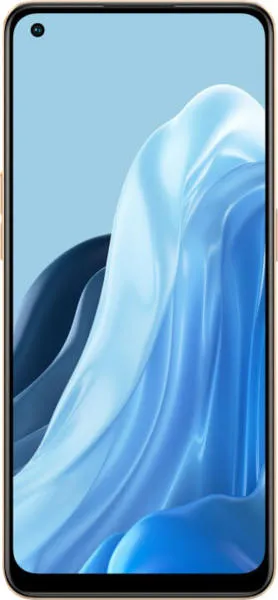
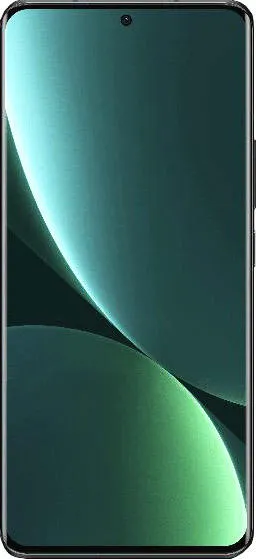
| Dimensions | 159.9 x 73.2 x 7.5 mm, 175g | 162.9 x 74.6 x 8.4 mm, 210g | Reno7 is noticeably lighter and more compact for one-handed use; 13 Pro feels more substantial. |
| Build | Gorilla Glass 5 | Gorilla Glass Victus | 13 Pro offers significantly better screen protection against drops and scratches. |
| Display | |||
| Size | 6.43" | 6.73" | 13 Pro boasts a larger, more immersive display for media consumption and gaming. |
| Resolution | 1080 x 2400 | 1440 x 3200 | 13 Pro delivers significantly sharper visuals with higher pixel density, especially noticeable in text and images. |
| Refresh Rate | 90Hz | 120Hz | 13 Pro offers smoother scrolling and animations, resulting in a more fluid user experience. |
| Brightness | 800 nits | 1900 nits | 13 Pro excels in outdoor visibility, remaining legible even under direct sunlight. |
| Performance | |||
| Chipset | Snapdragon 680 4G | Snapdragon 8 Gen 2 | 13 Pro's flagship processor provides significantly faster performance across all tasks, including demanding games and multitasking. |
| RAM | 8GB | 8GB/12GB | 13 Pro offers a 12GB RAM option for even more aggressive multitasking and future-proofing. |
| Storage | 128GB | 128/256/512GB | 13 Pro offers more storage options for users with large media libraries and app collections. |
| Camera | |||
| Main Camera | 64MP, f/1.7 | 50MP, f/1.9, 1" Sensor | While Reno7 has higher resolution, 13 Pro's larger sensor and superior optics likely result in better low-light performance and overall image quality. DxOMark score of 136 confirms this. |
| Selfie Camera | 32MP, f/2.4 | 32MP, f/2.0 | Similar resolution, but 13 Pro's wider aperture might offer slightly better low-light selfies. |
| Additional Cameras | Macro, B&W | Telephoto, Wide-Angle | 13 Pro offers more versatile photography options with dedicated telephoto and wide-angle lenses. |
| Battery Life | |||
| Capacity | 4500 mAh | 4820 mAh | Marginally larger battery on the 13 Pro. |
| Charging | 33W Wired | 120W Wired, 50W Wireless | 13 Pro charges significantly faster, both wired and wirelessly. |
2. Key Insights
The Xiaomi 13 Pro is a clear flagship contender with its cutting-edge Snapdragon 8 Gen 2 processor, stunning display, and advanced camera system. It excels in performance, photography, and overall user experience. The Reno7, powered by a mid-range Snapdragon 680, focuses on affordability and a lightweight design. It's a solid choice for everyday tasks but won't match the 13 Pro's raw power or premium features.
3. User Profiles and Recommendations
Xiaomi 13 Pro: Power users, mobile gamers, photography enthusiasts, and those who demand the best possible performance and features. The price reflects the premium experience.
Oppo Reno7: Budget-conscious users, casual gamers, and those prioritizing a lightweight and comfortable phone for everyday use.
4. Buying Decision Framework
- What's your budget? The 13 Pro commands a significantly higher price.
- What are your performance needs? For demanding tasks and gaming, the 13 Pro is essential.
- How important is camera quality? The 13 Pro offers a more versatile and higher-quality camera system.
My Choice: The Xiaomi 13 Pro
While the Oppo Reno7 offers excellent value for its price, I'd choose the Xiaomi 13 Pro. As a tech enthusiast and heavy user, I prioritize performance, a brilliant display, and a top-tier camera. The 13 Pro's Snapdragon 8 Gen 2, gorgeous 120Hz AMOLED screen, and Leica-tuned camera system are compelling. The faster charging and wireless charging capabilities are significant bonuses for my on-the-go lifestyle. While the higher price is a consideration, the 13 Pro's significant advantages in performance, camera quality, and overall user experience justify the investment for me. It's a future-proof device that will handle anything I throw at it.
