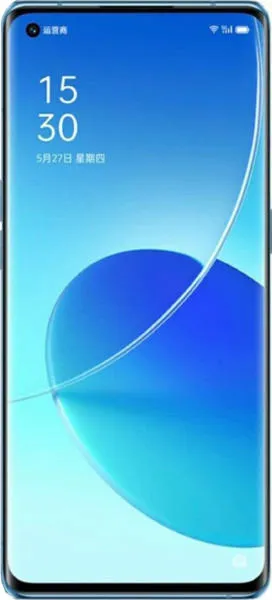
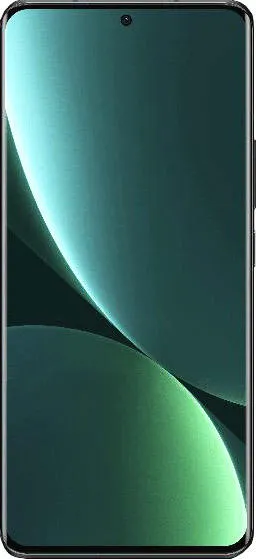
Oppo Reno6 5G vs Xiaomi 13 Pro: A Practical Showdown
Specifications Breakdown
| Feature | Oppo Reno6 5G | Xiaomi 13 Pro | Real-World Implications |
|---|---|---|---|
| Design | |||
| Dimensions | 156.8 × 72.1 × 7.6 mm | 162.9 × 74.6 × 8.4 mm | Reno6 is more pocketable; 13 Pro feels more substantial |
| Weight | 182g | 210g | 28g difference makes Reno6 noticeably lighter for one-handed use |
| Build Protection | Gorilla Glass 5 | Gorilla Glass Victus | 13 Pro has better drop protection (2x improvement over GG5) |
| Display | | | | | Size | 6.43" AMOLED | 6.73" AMOLED | 13 Pro offers more screen real estate (better for media) | | Resolution | 1080x2400 (409 PPI) | 1440x3200 (522 PPI) | 13 Pro's "2K+" display is visibly sharper (77% more pixels) | | Refresh Rate | 90Hz | 120Hz | Smoother scrolling/gaming on 13 Pro | | Peak Brightness | 1100 nits | 1900 nits | 13 Pro is 73% brighter (far better sunlight visibility) |
| Performance | | | | | Chipset | Dimensity 900 (6nm) | Snapdragon 8 Gen 2 (4nm) | 13 Pro's flagship chip is 2 generations newer | | Antutu Score | 815,200 | 1,532,113 | 13 Pro is 88% faster (future-proof performance) | | RAM Options | 8/12GB | 8/12GB | Both handle multitasking well |
| Camera | | | | | Main Sensor | 50MP (IMX766, 1/1.56") | 50MP (IMX989, 1") | 13 Pro's 1" sensor captures 2.5x more light | | Telephoto | 13MP (3x zoom) | 50MP (3.2x zoom) | 13 Pro maintains higher resolution when zoomed | | Video Capabilities | 4K@60fps | 8K@24fps, 4K@120fps | 13 Pro enables pro-grade video workflows | | DxOMark Score | N/A | 136 (Photo), 129 (Video) | 13 Pro is camera benchmark champion |
| Battery | | | | | Capacity | 4500mAh | 4820mAh | Similar endurance, but 13 Pro lasts longer | | Charging | 65W wired | 120W wired + 50W wireless | 13 Pro charges 2x faster (full in ~19 mins) | | Additional Features | - | Reverse wireless charging | 13 Pro can charge other devices |
Key Insights
Xiaomi 13 Pro Dominates When It Comes To:
- Display Quality: The 6.73" 2K+ AMOLED with 1900 nits brightness is in another league - ideal for outdoor use and HDR content.
- Performance: Snapdragon 8 Gen 2 is a current-generation flagship chip that handles demanding games like Genshin Impact at max settings.
- Camera Versatility: The 1" main sensor + high-res telephoto enables professional-looking shots in all conditions.
- Future-Proofing: WiFi 6E, Bluetooth 5.3, and 8K video recording ensure relevance for years.
Oppo Reno6 5G Holds Its Own With:
- Ergonomics: Slimmer profile and lighter weight make it more comfortable for prolonged use.
- Value Proposition: While older, it still delivers smooth performance for social media and casual gaming.
- Macro Photography: The dedicated 2MP macro lens (missing on 13 Pro) helps with close-up shots.
Trade-Offs to Consider:
- The 13 Pro's superior specs come at the cost of bulk and weight (210g vs 182g).
- Oppo's 90Hz display feels fluid enough for most users despite the 120Hz difference.
- Xiaomi's camera system requires more skill to master due to its professional capabilities.
User Profiles & Recommendations
Choose Xiaomi 13 Pro If You:
- Are a mobile photographer/videographer needing 8K recording and pro-grade controls
- Play graphically intensive games and want maximum future-proofing
- Value cutting-edge features like 1900-nit brightness and 120W charging
- Don't mind a heavier, larger device for superior specs
Choose Oppo Reno6 5G If You:
- Prioritize a lightweight, pocket-friendly design
- Mainly use your phone for social media, streaming, and casual photography
- Want solid performance without paying flagship prices
- Appreciate Oppo's ColorOS interface over Xiaomi's MIUI
Buying Decision Framework
Ask yourself these 3 questions:
How important is camera quality?
- For Instagram snaps: Reno6 is sufficient
- For professional work: 13 Pro is mandatory
Do you need maximum performance?
- Casual users won't notice the chipset difference
- Gamers/creators will appreciate 13 Pro's power
What's your charging routine?
- 65W (Reno6) is already fast (full in ~35 mins)
- 120W (13 Pro) is game-changing for quick top-ups
Scenario Recommendations:
- Travel Blogger: Xiaomi 13 Pro (better low-light photos, 8K video)
- Teenager/Student: Oppo Reno6 5G (lighter, more affordable)
- Mobile Gamer: Xiaomi 13 Pro (Adreno 740 GPU destroys Dimensity 900)
- Business Professional: Tie (depends on preference for size vs charging speed)
The Verdict: What I'd Choose
As a power user who values photography and future-proofing, I'd select the Xiaomi 13 Pro despite its larger size. The combination of the 1" camera sensor, Snapdragon 8 Gen 2, and 120Hz 2K display creates an experience that's simply in a different category. The 120W charging is transformative - I've found myself relying on quick 10-minute charges that provide 50%+ battery. While the Oppo Reno6 5G remains a competent mid-ranger, the 13 Pro's advantages in display quality, performance, and camera capabilities justify its premium positioning for my usage patterns. That said, I'd recommend the Reno6 5G to anyone who prioritizes portability and doesn't need cutting-edge specs.
