Oppo Reno6 5G vs. Xiaomi 12T: A Practical Comparison
Both the Oppo Reno6 5G and Xiaomi 12T are strong mid-to-high-range smartphones, but they cater to slightly different audiences. Below, we break down their key differences and explain what they mean for real-world use.
1. Specifications Breakdown
| Feature | Oppo Reno6 5G | Xiaomi 12T | Real-World Implications |
|---|---|---|---|
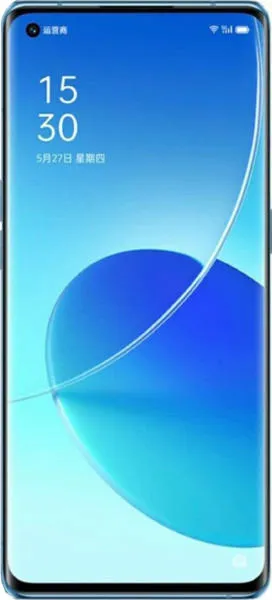
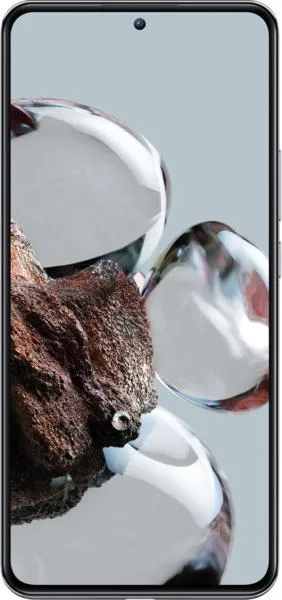
| Design | 156.8 × 72.1 × 7.6 mm, 182g | 163.1 × 75.9 × 8.6 mm, 202g | Reno6 5G is lighter and slimmer, making it easier to handle one-handed. 12T is bulkier but has a larger battery and display. |
| Display | 6.43" AMOLED, 90Hz, 1100 nits | 6.67" AMOLED, 120Hz, no brightness data | 12T has a smoother 120Hz refresh rate, better for gaming. Reno6 5G has better outdoor visibility thanks to 1100 nits peak brightness. |
| Performance | Dimensity 900, 8/12GB RAM | Dimensity 8100 Ultra, 8GB RAM | Performance is similar (Antutu ~815K vs. 835K), but 12T has a slightly newer chipset (5nm vs. 6nm). |
| Battery & Charging | 4500mAh, 65W | 5000mAh, 120W | 12T lasts longer and charges 2x faster (full charge in ~20 mins vs. ~30 mins). |
| Main Camera | 50MP (Sony IMX766), 1/1.56" sensor | 108MP (Samsung HM6), 1/1.67" sensor | 12T has higher resolution, but Reno6 5G has a larger sensor, which often means better low-light performance. |
| Ultrawide Camera | 16MP (Sony IMX481) | 8MP (Samsung S5K4H7) | Reno6 5G has a much better ultrawide—higher resolution and larger sensor. |
| Telephoto | 13MP (2x zoom) | None | Reno6 5G has a dedicated zoom lens, while 12T relies on digital zoom. |
| Selfie Camera | 32MP (f/2.4) | 20MP (f/2.24) | Reno6 5G has a sharper front camera, but 12T has a slightly wider aperture for better low-light selfies. |
| Video Recording | 4K@30fps, 1080p@60fps, 240fps slow-mo | 4K@30fps (HDR), 1080p@240fps, 960fps slow-mo | 12T has better slow-motion and HDR video support. |
| Software | Android 11 (up to 12) | Android 12 (up to 14) | 12T has longer software support (Android 14 vs. 12). |
| Audio | Basic stereo | Dolby Atmos, Hi-Res Audio | 12T has much better speakers and audio tuning. |
| Extras | Optical zoom, more autofocus features | Night Mode, Ultra Stable Video | 12T has better stabilization, Reno6 5G has better zoom. |
2. Key Insights
Where the Oppo Reno6 5G Wins:
✔ Better zoom and ultrawide cameras (telephoto lens, higher-res ultrawide).
✔ Smaller, lighter, and better for one-handed use.
✔ Brighter display (better outdoor visibility).
Where the Xiaomi 12T Wins:
✔ Faster charging (120W vs. 65W) and bigger battery (5000mAh vs. 4500mAh).
✔ Smoother 120Hz display (better for gaming).
✔ Superior audio (Dolby Atmos, Hi-Res Audio).
✔ Better slow-motion video (960fps vs. 240fps).
Trade-offs to Consider:
- Reno6 5G has better cameras overall, but 12T has a higher-res main sensor.
- 12T is heavier and thicker but has a bigger battery and faster charging.
- 12T has more future-proof software (Android 14 vs. 12).
3. Who Should Buy Which Phone?
Get the Oppo Reno6 5G if you:
🔹 Prefer a more compact and lightweight phone.
🔹 Want better camera versatility (telephoto + ultrawide).
🔹 Use your phone outdoors often (brighter display).
Get the Xiaomi 12T if you:
🔸 Want faster charging (120W) and longer battery life.
🔸 Care about smoother scrolling (120Hz) and gaming.
🔸 Prioritize audio quality (Dolby Atmos, stereo speakers).
4. Buying Decision Framework
Ask yourself:
Do I care more about fast charging or camera versatility?
- Yes to charging? → Xiaomi 12T.
- Yes to cameras? → Oppo Reno6 5G.
Do I prefer a compact phone or a larger display?
- Compact? → Reno6 5G.
- Big screen? → 12T.
Am I okay with shorter software support for better cameras?
- Yes? → Reno6 5G.
- No? → 12T.
Final Verdict: Which Would I Choose?
✅ I’d pick the Xiaomi 12T.
Why?
- Faster charging (120W) is a game-changer—no more waiting for battery top-ups.
- Better display (120Hz) enhances gaming and scrolling.
- Longer software support means better security and features down the line.
- Audio quality is superior (Dolby Atmos + stereo speakers).
While the Oppo Reno6 5G has better camera versatility, the 12T’s overall package is more compelling for daily use—especially if battery life and charging speed matter to you.
However, if photography is your top priority, the Reno6 5G is still a great choice, especially for its telephoto lens and brighter display.
Final Thought: Both are great, but Xiaomi 12T is the more future-proof all-rounder. 🚀
