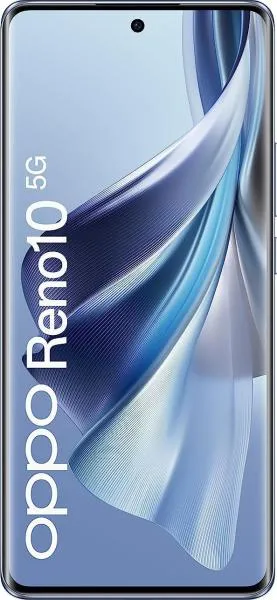
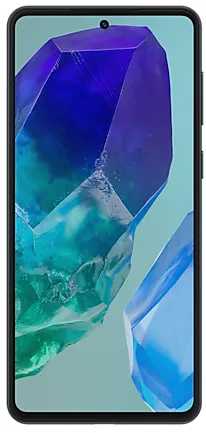
1. Specifications Comparison
| Feature | Oppo Reno10 | Samsung Galaxy M55 | Practical Impact |
|---|---|---|---|
| Design | |||
| Dimensions (mm) | 162.4 x 74.2 x 8 | 163.9 x 76.5 x 7.8 | M55 slightly taller and wider, Reno10 marginally thinner. Negligible difference in hand feel. |
| Weight (g) | 185 | 180 | M55 slightly lighter, but the difference is minimal in practical use. |
| Build | Not specified | Not specified | Build materials impact durability and premium feel; information lacking for both. |
| Display | |||
| Size (inches) | 6.7 | 6.7 | Identical screen sizes. |
| Type | AMOLED, 1B colors, 120Hz, HDR10+ | Super AMOLED+, 120Hz | Both offer smooth scrolling and vibrant colors. Super AMOLED+ generally has slightly better outdoor visibility. Reno10 supports HDR10+ for enhanced video content. |
| Resolution | 1080 x 2412 | 1080 x 2400 | Virtually identical resolutions; sharpness difference is imperceptible. |
| Peak Brightness (nits) | 950 | Not specified | Reno10's specified peak brightness ensures better visibility in direct sunlight. Lack of data for M55 hinders comparison. |
| Performance | |||
| Chipset | Mediatek Dimensity 7050 (6 nm) | Qualcomm Snapdragon 7 Gen 1 (4 nm) | Snapdragon 7 Gen 1 generally offers better performance and power efficiency due to the more advanced 4nm process. |
| CPU | Octa-core (2x2.6 GHz Cortex-A78 & 6x2.0 GHz Cortex-A55) | Octa-core (1x2.4 GHz Cortex-A710 & 3x2.36 GHz Cortex-A710 & 4x1.8 GHz Cortex-A510) | Snapdragon 7 Gen 1's architecture should result in noticeably smoother multitasking and demanding application performance. |
| GPU | Mali-G68 MC4 | Adreno 644 | Adreno 644 generally provides superior graphics performance, resulting in smoother gaming. |
| RAM | 8GB | 8GB | Identical RAM capacity for comparable multitasking capabilities. |
| Storage | 256GB | 256GB | Identical storage capacity. |
| Camera | |||
| Video Capabilities | 4K@30fps (EIS), up to 1080p@480fps (EIS) | 4K@30fps (OIS, EIS), 1080p@60fps (OIS, EIS) | Both offer 4K recording. M55 benefits from OIS for more stable videos, especially in low light. Reno10 offers higher slow-motion frame rates. Specific sensor details (resolution, aperture) are missing for a comprehensive comparison. |
| Battery | |||
| Capacity (mAh) | 5000 | 5000 | Identical battery capacities. Real-world battery life depends on optimization and usage patterns. |
| Software | |||
| OS | Android 13 | Android 14 | M55 ships with a newer Android version, potentially offering more features and longer software support. Reno10 is expected to receive the Android 14 update. |
2. Key Differences Analysis
Oppo Reno10 Advantages:
- Brighter Display: Higher peak brightness for better outdoor visibility.
- Higher Slow-Motion Frame Rates: Captures more detailed slow-motion videos.
- HDR10+ Support: Enhanced video quality with compatible content.
Samsung Galaxy M55 Advantages:
- More Powerful Chipset: Snapdragon 7 Gen 1 offers superior performance and efficiency.
- Better GPU: Adreno 644 provides a smoother gaming experience.
- Optical Image Stabilization (OIS): More stable video recording.
- Newer Android Version: Ships with Android 14 for latest features and potentially longer support.
3. User Profiles & Recommendations
Oppo Reno10: Users prioritizing a bright display for outdoor use and high slow-motion video recording capabilities.
Samsung Galaxy M55: Users who value overall performance, smoother gaming, stable video recording, and the latest software features. Suitable for demanding tasks and mobile gaming.
4. Decision Framework
Key Questions for Buyers:
- Performance Priority: Is top-tier performance crucial for gaming and demanding applications, or is good enough performance sufficient?
- Camera Needs: Is video stability (OIS) more important than higher slow-motion frame rates?
- Software Updates: How important is having the latest Android version and longer software support?
My Choice: Samsung Galaxy M55
While the Oppo Reno10 offers a brighter display and impressive slow-motion capabilities, the Samsung Galaxy M55's superior performance due to the Snapdragon 7 Gen 1, coupled with OIS for video recording and the newer Android OS, makes it the more compelling choice for me. I prioritize long-term performance and software updates, and the M55 seems to offer better value in these crucial areas. The slightly wider and taller dimensions are negligible trade-offs for the performance gains. The lack of specific peak brightness information for the M55 is a concern, but the general advantages of Super AMOLED+ displays somewhat mitigate this unknown.
