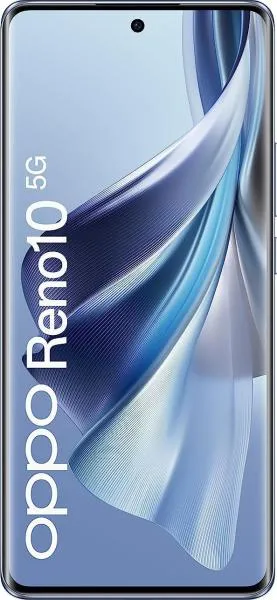

1. Specifications Comparison
| Feature | Oppo Reno10 | OnePlus 12R | Practical Impact |
|---|---|---|---|
| Design | |||
| Dimensions | 162.4 x 74.2 x 8 mm | 163.3 x 75.3 x 8.8 mm | OnePlus 12R is slightly larger and thicker. |
| Weight | 185g | 207g | Oppo Reno10 is noticeably lighter, improving one-handed use. |
| Display | |||
| Size | 6.7" | 6.78" | Negligible difference in screen real estate. |
| Type | AMOLED, 120Hz, HDR10+ | LTPO4 AMOLED, 120Hz, HDR10+, Dolby Vision | Both offer smooth scrolling and vivid colors. OnePlus 12R's LTPO4 panel allows for more granular refresh rate control, potentially saving battery. Dolby Vision support offers a wider dynamic range for compatible content on the 12R. |
| Resolution | 1080 x 2412 | 1264 x 2780 | OnePlus 12R boasts a sharper display with higher pixel density (450 vs 394 ppi), resulting in crisper text and images. |
| Peak Brightness | 950 nits | 4500 nits | OnePlus 12R offers significantly higher peak brightness, ensuring excellent outdoor visibility even in direct sunlight. |
| Performance | |||
| Chipset | Mediatek Dimensity 7050 (6nm) | Qualcomm Snapdragon 8 Gen 2 (4nm) | Snapdragon 8 Gen 2 is significantly more powerful, providing smoother performance for demanding tasks and gaming. |
| CPU | Octa-core (2x2.6 GHz A78 & 6x2.0 GHz A55) | Octa-core (1x3.2 GHz X3 & 2x2.8 GHz A715 & 2x2.8 GHz A710 & 3x2.0 GHz A510) | OnePlus 12R's CPU architecture is more modern and powerful. |
| GPU | Mali-G68 MC4 | Adreno 740 | Adreno 740 offers superior graphics performance for gaming and graphically intensive applications. |
| RAM | 8GB | 16GB | OnePlus 12R's double the RAM enables better multitasking and smoother performance with multiple apps open. |
| Battery | |||
| Capacity | 5000 mAh | 5500 mAh | OnePlus 12R has a slightly larger battery capacity, potentially offering longer battery life. |
| Camera | |||
| Video Capabilities | Up to 4K@30fps, 1080p@480fps | Up to 4K@60fps, 1080p@240fps; OIS/EIS on all | OnePlus 12R offers higher resolution and frame rate video recording with both Optical (OIS) and Electronic (EIS) Image Stabilization for smoother footage. |
| Other | |||
| OS | Android 13, upgradable to 14 | Android 14, upgradable to 17 | OnePlus 12R offers longer software support, ensuring security updates and new features for a longer period. |
2. Key Differences Analysis
OnePlus 12R Advantages:
- Significantly more powerful: Snapdragon 8 Gen 2, Adreno 740 GPU, and 16GB RAM provide a substantial performance advantage for demanding tasks and gaming.
- Brighter and sharper display: Higher resolution, peak brightness, and LTPO technology result in a superior visual experience.
- Longer software support: Guaranteed updates to Android 17 provide future-proofing.
- Superior video recording: Higher resolution and frame rates with OIS and EIS.
Oppo Reno10 Advantages:
- Lighter and more compact: Easier to handle and carry.
3. User Profiles & Recommendations
Oppo Reno10: Users prioritizing a lightweight and compact phone for everyday use, who are not heavy gamers or power users. Good for web browsing, social media, and casual photography.
OnePlus 12R: Users who demand top-tier performance for gaming, multitasking, and demanding applications. Also suitable for users who prioritize a bright, sharp display and long software support. Excellent for mobile photography and videography enthusiasts.
4. Decision Framework
Key Questions for Buyers:
- What is your budget? Both are mid-range, but the 12R may be slightly more expensive.
- What are your primary use cases? Gaming, demanding apps, and media consumption benefit from the 12R's power. Casual use favors the Reno10's lighter weight.
- How important is long-term software support? The 12R's longer update cycle provides peace of mind.
My Choice: OnePlus 12R
While the Oppo Reno10 offers a lighter design, the OnePlus 12R's superior performance, stunning display, longer software updates, and advanced camera features make it the clear winner for me. The Snapdragon 8 Gen 2 chip, coupled with 16GB of RAM, ensures a future-proof device capable of handling anything I throw at it. The brighter, sharper display enhances media consumption, and the extended software support guarantees a longer lifespan for the device. The slight increase in size and weight is a worthwhile trade-off for the significant performance and feature upgrades.
