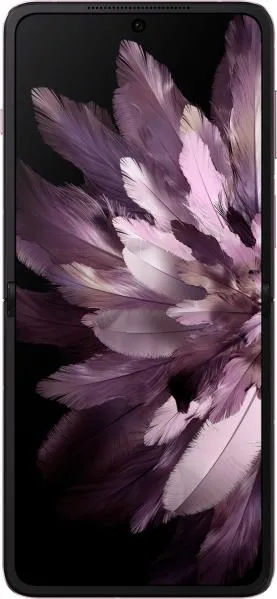
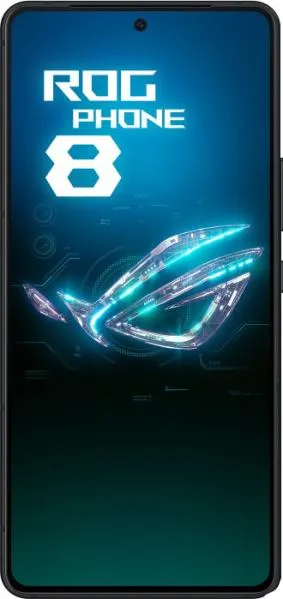
1. Specifications Comparison
| Feature | Oppo Find N3 Flip | Asus ROG Phone 8 | Practical Impact |
|---|---|---|---|
| Design | |||
| Dimensions | 166.4 x 75.8 x 7.8 mm (folded) | 163.8 x 76.8 x 8.9 mm | The Find N3 Flip is significantly more compact when folded, enhancing portability. The ROG Phone 8 is thicker and less pocketable. |
| Weight | 198g | 225g | The Find N3 Flip is noticeably lighter, making it more comfortable for extended use and one-handed operation. |
| Foldable | Yes | No | The Find N3 Flip offers a unique foldable design with a smaller external display for quick notifications. The ROG Phone 8 is a traditional slab phone. |
| Display | |||
| Size | 6.8" | 6.78" | Negligible difference in screen real estate. |
| Type | Foldable LTPO AMOLED | LTPO AMOLED | The Find N3 Flip's folding screen introduces a crease but allows for compact portability. The ROG Phone 8 provides a seamless, flat display. |
| Refresh Rate | 120Hz | 165Hz | The ROG Phone 8's higher refresh rate results in smoother animations and scrolling, particularly beneficial for gaming and fast-paced content. |
| Peak Brightness | 1600 nits (typical), 2500 nits (peak) | 1600 nits (typical), 2500 nits (peak) | While both offer high peak brightness for excellent outdoor visibility, real-world differences in typical brightness are unclear due to Find N3 Flip's unclear specification. |
| Resolution | 1080 x 2520 | 1080 x 2440 | Similar pixel density, resulting in comparable sharpness. The slightly taller aspect ratio on the Find N3 Flip provides more vertical content. |
| Performance | |||
| Chipset | MediaTek Dimensity 9200 (4 nm) | Qualcomm Snapdragon 8 Gen 3 (4 nm) | The Snapdragon 8 Gen 3 in the ROG Phone 8 generally offers superior performance, particularly in graphics-intensive tasks like gaming. |
| CPU | Octa-core (1x3.05 GHz Cortex-X3 & 3x2.85 GHz Cortex-A715 & 4x1.80 GHz Cortex-A510) | Octa-core (1x3.3 GHz Cortex-X4 & 3x3.2 GHz Cortex-A720 & 2x3.0 GHz Cortex-A720 & 2x2.3 GHz Cortex-A520) | The ROG Phone 8 boasts a more powerful CPU architecture for faster processing speeds. |
| GPU | Immortalis-G715 MC11 | Adreno 750 | The Adreno 750 in the ROG Phone 8 delivers significantly better graphical performance, ideal for demanding games and applications. |
| RAM | 12GB | 16GB | The ROG Phone 8 provides more RAM, enabling smoother multitasking and better handling of demanding applications. |
| Storage | 512 GB | 256 GB | The Find N3 Flip offers double the storage capacity, allowing for more apps, photos, and videos to be stored locally. |
| Battery | |||
| Capacity | 4300 mAh | 6000 mAh | The ROG Phone 8 has a substantially larger battery, likely translating to significantly longer battery life. |
| Camera | Specific camera sensor details are missing, making a detailed comparison impossible. | ||
| Video Capabilities | Up to 4K@30fps | Up to 8K@24fps | The ROG Phone 8 supports higher resolution video recording. However, practical usability depends on factors like bitrate and stabilization, which are not specified. |
2. Key Differences Analysis
Oppo Find N3 Flip Advantages:
- Portability: The foldable design makes it significantly more compact when folded.
- Larger Storage: Offers double the storage capacity of the ROG Phone 8.
Asus ROG Phone 8 Advantages:
- Performance: Boasts a more powerful CPU and GPU, leading to a smoother and faster user experience, especially for gaming.
- Higher Refresh Rate Display: Provides a more fluid visual experience with smoother scrolling and animations.
- Larger Battery: Significantly larger battery capacity likely results in longer battery life.
- More RAM: Offers more RAM, enhancing multitasking capabilities.
3. User Profiles & Recommendations
Oppo Find N3 Flip: Ideal for users who prioritize portability and a unique, compact form factor. Suitable for those who value having a large storage capacity.
Asus ROG Phone 8: Best suited for users who demand top-tier performance, particularly mobile gamers and power users. Also ideal for those who prioritize a long-lasting battery.
4. Decision Framework
Key Questions for Buyers:
- Is portability a top priority? If yes, the Find N3 Flip's foldable design offers a significant advantage.
- What is your primary use case? For demanding tasks like gaming, the ROG Phone 8's superior performance is crucial. For everyday use and social media, the Find N3 Flip is sufficient.
- How important is battery life? The ROG Phone 8's larger battery likely provides significantly longer usage between charges.
Scenario-Based Recommendations:
- Heavy gamer: Asus ROG Phone 8
- Frequent traveler: Oppo Find N3 Flip
- Social media enthusiast: Either phone is suitable, but the Find N3 Flip's compact size might be preferable for some.
My Choice: Asus ROG Phone 8
While the Oppo Find N3 Flip's foldable design is intriguing, the Asus ROG Phone 8 better suits my needs. I prioritize performance and a smooth user experience, which the ROG Phone 8 delivers with its powerful Snapdragon 8 Gen 3 processor, Adreno 750 GPU, and 165Hz display. The larger battery also ensures I can use the phone extensively without worrying about frequent charging. While the Find N3 Flip offers greater portability and storage, these factors are less critical for my usage compared to raw performance and battery life. The superior gaming capabilities and overall responsiveness of the ROG Phone 8 make it the clear winner for me.
