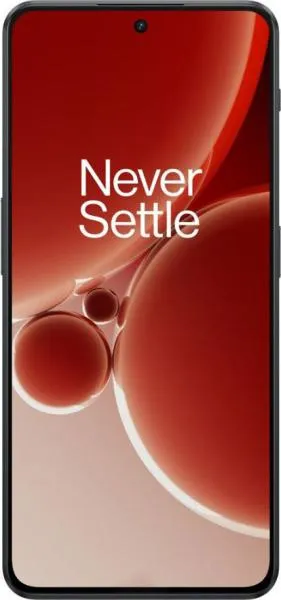
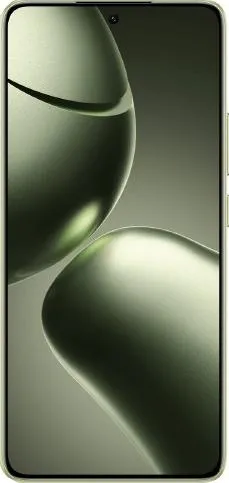
1. Specifications Comparison
| Feature | OnePlus Nord 3 | Xiaomi 14T | Practical Impact |
|---|---|---|---|
| Design | |||
| Dimensions (mm) | 162 x 75.1 x 8.2 | 160.5 x 75.1 x 7.8 | Xiaomi 14T is slightly shorter and thinner. Negligible difference in daily use. |
| Weight (g) | 193.5 | 193 | Virtually identical weight. |
| Display | |||
| Size (inches) | 6.74 | 6.67 | Negligible size difference. |
| Resolution | 1240 x 2772 | 1220 x 2712 | Both offer sharp, high-resolution displays. |
| Type | AMOLED | AMOLED | Both offer vibrant colors and deep blacks. |
| Refresh Rate (Hz) | 120 | 144 | 14T's higher refresh rate provides smoother animations and scrolling, especially noticeable in gaming and fast-paced content. |
| Peak Brightness (nits) | 1450 | 4000 | 14T offers significantly higher peak brightness, ensuring better visibility in direct sunlight. |
| Color Depth | 1B | 68B | 14T supports a wider color gamut, resulting in more accurate and nuanced color reproduction. |
| HDR | HDR10+ | HDR10+, Dolby Vision | 14T's Dolby Vision support provides enhanced HDR performance in compatible content. |
| Performance | |||
| Chipset | Dimensity 9000 (4nm) | Dimensity 8300 Ultra (4nm) | Benchmarks would be needed to compare performance definitively, but both are powerful chips capable of handling demanding tasks. |
| CPU | Octa-core (1x3.05 GHz Cortex-X2 & 3x2.85 GHz Cortex-A710 & 4x1.80 GHz Cortex-A510) | Octa-core (1x3.35 GHz Cortex-A715 & 3x3.20 GHz Cortex-A715 & 4x2.20 GHz Cortex-A510) | The architectural differences make a direct comparison difficult without real-world testing. |
| GPU | Mali-G710 MC10 | Mali G615-MC6 | G710 generally offers better gaming performance. More testing required for definitive comparison with the 8300 Ultra's implementation. |
| RAM | 8GB (reviewed model) | 12GB (reviewed model) | 14T's larger RAM allows for more apps to run in the background without reloading, improving multitasking. Note: RAM options may vary. |
| Camera | |||
| Main Camera | 50MP Sony IMX890 | 50MP Sony IMX906 | Both have high-resolution sensors. IMX906 in 14T is newer and potentially better in low light. Requires real-world image comparisons. |
| Ultrawide | 8MP Sony IMX355 | 13MP Omnivision OV13B10 | 14T's ultrawide offers higher resolution and potentially better image quality. |
| Telephoto | None | 50MP Samsung S5KJN1 | 14T offers a dedicated telephoto lens for optical zoom, missing in Nord 3. |
| Video | Up to 4K@60fps with EIS | Up to 4K@60fps with HDR, EIS; 960fps slow-mo | 14T offers HDR video recording and significantly higher slow-motion capabilities. |
| Battery | |||
| Capacity (mAh) | 5000 | 5000 | Identical battery capacity. Real-world battery life depends on various factors including software optimization and display usage. |
2. Key Differences Analysis
OnePlus Nord 3 Advantages:
- Potentially lower price: Pricing information is incomplete, but historically, Nord devices are more aggressively priced.
- Potentially better GPU: Mali-G710 is generally a higher-tier GPU.
Xiaomi 14T Advantages:
- Higher Refresh Rate Display: Smoother user experience.
- Brighter Display: Superior outdoor visibility.
- Wider Color Gamut & Dolby Vision: More immersive viewing experience.
- Larger RAM: Improved multitasking.
- More Versatile Camera System: Dedicated telephoto lens and superior slow-motion video.
- More Recent Release: Newer OS, potentially longer software support.
3. User Profiles & Recommendations
OnePlus Nord 3: Budget-conscious users who prioritize a smooth, fast experience but don't need the absolute best display or camera. Suitable for everyday tasks, gaming, and content consumption.
Xiaomi 14T: Users prioritizing a premium multimedia experience with a top-tier display, versatile camera system, and excellent performance. Ideal for mobile photography enthusiasts, gamers, and content creators.
4. Decision Framework
Key Questions:
- What is your budget? The 14T is likely more expensive.
- What is your primary use? Media consumption, gaming, photography?
- How important is display quality? The 14T boasts a superior display.
Scenario-Based Recommendations:
- Limited Budget: OnePlus Nord 3.
- Premium Multimedia Experience: Xiaomi 14T.
- Photography Enthusiast: Xiaomi 14T.
- Hardcore Gamer: Pending benchmark results, leaning towards Nord 3 due to the generally superior GPU.
My Choice: Xiaomi 14T
While pricing might be a factor, based purely on specifications, the Xiaomi 14T is the superior device. Its advantages in display quality (higher refresh rate, brightness, color depth, Dolby Vision), camera versatility (telephoto lens, better slow-motion), and larger RAM outweigh the potential performance advantage of the Nord 3's GPU, which needs real-world testing for confirmation. The 14T offers a more well-rounded and future-proof package for a user who prioritizes a premium smartphone experience. The newer release date also suggests longer software update support.
