
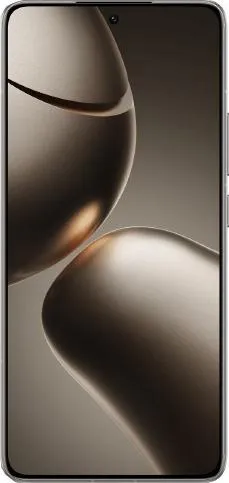
OnePlus 12R vs. Xiaomi 14T Pro: A Deep Dive
Let's dissect the OnePlus 12R and Xiaomi 14T Pro, two promising contenders in the mid-range smartphone arena. My analysis goes beyond the spec sheet, translating technical jargon into real-world implications for you.
1. Specifications Breakdown
| Feature | OnePlus 12R | Xiaomi 14T Pro | Real-World Implications |
|---|---|---|---|
| Design | |||
| Dimensions | 163.3 x 75.3 x 8.8 mm | 160.4 x 75.1 x 8.4 mm | Xiaomi 14T Pro is slightly more compact and thinner. |
| Weight | 207g | 209g | Negligible weight difference in daily use. |
| Display | |||
| Size | 6.78" | 6.67" | OnePlus 12R offers a slightly larger screen for media consumption. |
| Type | LTPO4 AMOLED | AMOLED | Both offer vibrant colors and deep blacks. LTPO4 allows for more efficient refresh rate scaling on the 12R, potentially saving battery. |
| Refresh Rate | 120Hz | 144Hz | Smoother animations and scrolling on the 14T Pro, especially noticeable in gaming. |
| Peak Brightness | 4500 nits | 4000 nits | OnePlus 12R should offer better visibility in direct sunlight. |
| Resolution | 1264 x 2780 | 1220 x 2712 | Both offer sharp visuals; difference in pixel density is negligible. |
| Performance | |||
| Chipset | Snapdragon 8 Gen 2 | Dimensity 9300+ | Both are powerful chips, but Snapdragon generally holds an edge in GPU performance. Real-world differences might be subtle for average users. |
| CPU | Octa-core (1x3.2 GHz Cortex-X3...) | Octa-core (1x3.4 GHz Cortex-X4...) | Both offer top-tier CPU performance; Dimensity 9300+ might have a slight edge in multi-core tasks thanks to its newer core architecture. |
| GPU | Adreno 740 | Immortalis-G720 MC12 | Adreno 740 generally boasts better gaming performance. |
| RAM | 16GB | 12GB | 16GB RAM on the 12R allows for more aggressive multitasking and future-proofing. |
| Storage | 256GB | 512GB | Xiaomi 14T Pro offers double the storage capacity. |
| Battery Life | |||
| Capacity | 5500 mAh | 5000 mAh | OnePlus 12R likely offers slightly longer battery life due to larger capacity and potentially more efficient display. |
2. Key Insights
- Display: While the Xiaomi 14T Pro boasts a faster refresh rate, the OnePlus 12R counters with a slightly larger, potentially more power-efficient LTPO4 AMOLED display and higher peak brightness.
- Performance: This is a close call. The Snapdragon 8 Gen 2 in the 12R generally delivers superior GPU performance, benefiting gamers. However, the Dimensity 9300+ in the 14T Pro boasts a newer CPU architecture which may offer a slight advantage in multi-core tasks. The 12R also comes with a significant 16GB of RAM.
- Battery: The OnePlus 12R holds a slight advantage with its larger battery capacity and power-efficient display.
3. User Profiles and Recommendations
- OnePlus 12R: Ideal for power users, gamers, and those prioritizing a vibrant display and potentially longer battery life.
- Xiaomi 14T Pro: Suits users who prioritize ample storage, a super-smooth display, and excellent all-around performance.
4. Buying Decision Framework
- Are you a heavy gamer? If yes, the OnePlus 12R's Adreno 740 GPU might provide a better experience.
- Is battery life a top priority? The 12R's combination of larger battery and LTPO AMOLED display might give it an edge.
- Do you need a lot of storage? The 14T Pro's 512GB option doubles the 12R's capacity.
My Choice: OnePlus 12R
While both are strong contenders, I'd choose the OnePlus 12R. The combination of the Snapdragon 8 Gen 2, superior GPU, generous 16GB RAM, brighter LTPO4 display, and potentially longer battery life aligns better with my priorities as a power user who values performance and efficiency. The slightly smaller storage on the 12R is less of a concern for me personally than the advantages offered in other areas. While I acknowledge the Xiaomi 14T Pro's strengths, the 12R strikes a more compelling balance for my needs.
