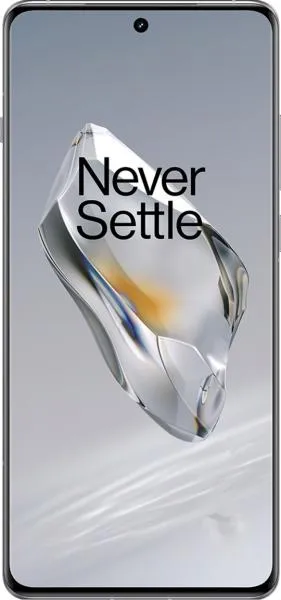
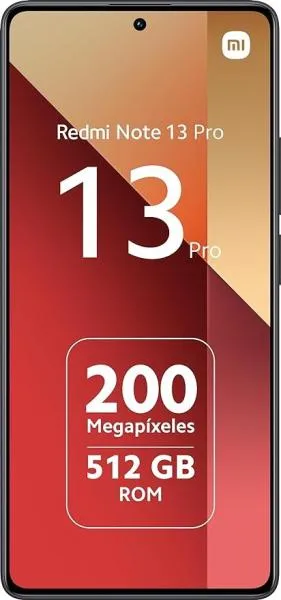
Let's dive into a comparative analysis of the OnePlus 12 and the Xiaomi Redmi Note 13 Pro 4G, dissecting their specifications and uncovering what they truly offer users.
1. Specifications Breakdown
| Feature | OnePlus 12 | Xiaomi Redmi Note 13 Pro 4G | Real-World Implications |
|---|---|---|---|
| Design | |||
| Dimensions | 164.3 x 75.8 x 9.2 mm | 161.1 x 75 x 8 mm | OnePlus 12 slightly larger; Redmi Note 13 Pro 4G thinner. |
| Weight | 220g | 188g | Redmi Note 13 Pro 4G noticeably lighter for one-handed use. |
| Display | |||
| Size | 6.82" | 6.67" | OnePlus 12 offers a larger viewing area. |
| Type | LTPO AMOLED, 1B colors, 120Hz | AMOLED, 1B colors, 120Hz | Both offer smooth scrolling and vibrant colors; OnePlus 12 uses more advanced LTPO for power efficiency. |
| Resolution | 1440 x 3168 pixels | 1080 x 2400 pixels | OnePlus 12 significantly sharper due to higher pixel density (510 ppi vs 395 ppi). |
| Peak Brightness | 4500 nits | 1300 nits | OnePlus 12 far brighter for exceptional outdoor visibility. |
| Performance | |||
| Chipset | Snapdragon 8 Gen 3 | Mediatek Helio G99 Ultra | OnePlus 12 vastly more powerful for demanding tasks and gaming. |
| CPU | Octa-core (1x3.3 GHz Cortex-X4 & ...) | Octa-core (2x2.2 GHz Cortex-A76 & ...) | OnePlus 12's CPU architecture delivers superior performance. |
| GPU | Adreno 750 | Mali-G57 MC2 | OnePlus 12 offers significantly better graphics performance. |
| RAM | 16GB | 8GB/12GB | OnePlus 12 provides more RAM for seamless multitasking. |
| Storage | 512GB | 256GB/512GB | Both offer ample storage options. |
| Battery | |||
| Capacity | 5400 mAh | 5000 mAh | Both offer large batteries; OnePlus 12 slightly larger. |
| Other | |||
| OS | Android 14 | Android 13 | OnePlus 12 runs the latest Android version. |
| NFC | Yes | Yes | Both support contactless payments. |
| USB | USB Type-C 3.2 | USB Type-C 2.0 | OnePlus 12 offers faster data transfer speeds. |
2. Key Insights
The OnePlus 12 is a flagship-level device, boasting a top-tier processor, a stunning high-resolution display, and blazing-fast charging. Its performance will be noticeably smoother and faster, handling demanding games and multitasking with ease. The brighter display is a significant advantage in sunlight.
The Redmi Note 13 Pro 4G focuses on affordability while offering a solid feature set. Its strengths lie in its lighter weight and competitive battery life. However, its performance capabilities are significantly lower than the OnePlus 12.
3. User Profiles and Recommendations
OnePlus 12: Ideal for power users, gamers, and those who prioritize top-tier performance, a vibrant display, and the latest technology.
Redmi Note 13 Pro 4G: Suitable for budget-conscious users who prioritize battery life, a lightweight design, and reliable everyday performance for tasks like social media, web browsing, and light gaming.
4. Buying Decision Framework
- What is your budget? The OnePlus 12 sits in a higher price bracket.
- What is your performance expectation? For demanding tasks and gaming, the OnePlus 12 is the clear winner.
- What features are most important to you? Prioritize a stunning display and raw power? Choose the OnePlus 12. Value battery life and a lighter phone? Consider the Redmi Note 13 Pro 4G.
My Choice: OnePlus 12
While the Redmi Note 13 Pro 4G offers good value, the OnePlus 12 aligns better with my needs. As a tech enthusiast, I prioritize cutting-edge performance and a premium display experience. The Snapdragon 8 Gen 3, coupled with the high refresh rate and resolution of the display, promises a fluid and visually immersive experience. The superior camera capabilities and faster charging are also compelling factors. The price difference is justified by the significant leap in performance and overall quality. The OnePlus 12 is a future-proof investment that will handle demanding tasks and provide a top-tier user experience for years to come.
