1. Specifications Comparison
| Feature | OnePlus 12 | Xiaomi Poco M6 4G | Practical Impact |
|---|---|---|---|
| Design | |||
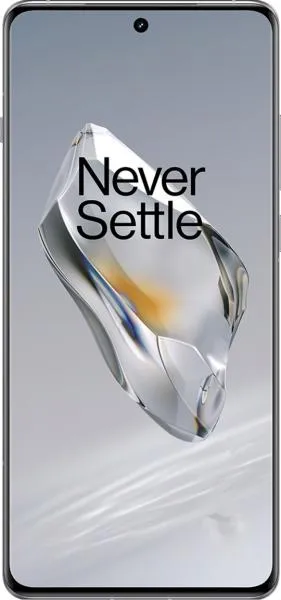
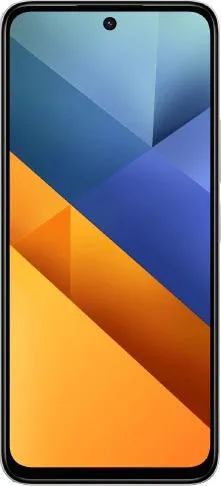
| Dimensions | 164.3 x 75.8 x 9.2 mm | 168.6 x 76.3 x 8.3 mm | Poco M6 is slightly larger and thinner. OnePlus 12 might feel slightly more premium due to potentially better materials (not specified). |
| Weight | 220g | 205g | Poco M6 is noticeably lighter, reducing hand fatigue during extended use. |
| Build Materials | Not specified | Not specified | Cannot compare build quality and durability without material information. |
| Display | |||
| Display Type | LTPO AMOLED, 1B colors, 120Hz | IPS LCD, 90Hz | OnePlus 12 offers significantly better display quality with deeper blacks, more vibrant colors, smoother scrolling, and potentially better power efficiency due to LTPO. |
| Resolution | 1440 x 3168 | 1080 x 2460 | OnePlus 12 has a much sharper display with significantly higher pixel density (510 ppi vs 396 ppi), resulting in crisper text and images. |
| Refresh Rate | 120Hz | 90Hz | OnePlus 12 provides smoother animations and scrolling. |
| Peak Brightness | 4500 nits | 550 nits (HBM) | OnePlus 12 is vastly brighter, ensuring excellent outdoor visibility even in direct sunlight. Poco M6's brightness might be insufficient in bright conditions. |
| Performance | |||
| Chipset | Snapdragon 8 Gen 3 (4nm) | Helio G91 Ultra (12nm) | OnePlus 12 boasts significantly more powerful CPU and GPU, leading to much faster performance in demanding tasks, gaming, and multitasking. |
| CPU | Octa-core (1x3.3 GHz Cortex-X4 & ...) | Octa-core (2x2.0 GHz Cortex-A75 & ...) | The architecture and clock speeds indicate a substantial performance advantage for the OnePlus 12. |
| RAM | 16GB | 8GB | OnePlus 12 offers double the RAM, enabling smoother multitasking and allowing more apps to run in the background without performance degradation. |
| Storage | 512GB | 256GB | OnePlus 12 offers double the storage capacity. |
| Camera | |||
| Video Capabilities | 8K@24fps, 4K@60fps... | 1080p@30fps | OnePlus 12 offers vastly superior video recording capabilities with much higher resolution and frame rate options. Detailed camera specifications (sensor size, aperture) are missing for both, limiting further analysis. |
| Battery | |||
| Capacity | 5400 mAh | 5030 mAh | Slightly larger battery on the OnePlus 12, but real-world battery life depends on optimization and power consumption of other components. |
2. Key Differences Analysis
OnePlus 12 Advantages:
- Significantly superior performance: The Snapdragon 8 Gen 3 and 16GB RAM offer a massive performance advantage for demanding tasks and gaming.
- Much better display: Higher resolution, refresh rate, brighter AMOLED panel provides a dramatically better visual experience.
- Superior video recording: Offers 8K and 4K recording options compared to the Poco M6's 1080p.
Xiaomi Poco M6 4G Advantages:
- Lower price: Belongs to a lower price range, offering potentially better value for budget-conscious users.
- Lighter weight: Noticeably lighter, making it more comfortable for extended use.
Trade-offs:
- Performance vs. Price: The Poco M6 sacrifices performance for affordability.
- Display Quality vs. Price: The OnePlus 12 prioritizes a premium display experience, contributing to its higher price.
3. User Profiles & Recommendations
OnePlus 12: Ideal for power users, gamers, content creators, and those who prioritize a premium display and overall performance. Excellent for demanding tasks, multitasking, media consumption, and mobile photography/videography.
Xiaomi Poco M6 4G: Suitable for budget-conscious users with basic smartphone needs like calling, texting, web browsing, social media, and light gaming. A good option for those who prioritize affordability over top-tier performance.
4. Decision Framework
Key Questions for Buyers:
- What is your budget? The OnePlus 12 is significantly more expensive.
- What are your primary smartphone usage patterns? Demanding tasks and gaming benefit from the OnePlus 12's power.
- How important is display quality? The OnePlus 12 offers a vastly superior visual experience.
Scenario-Based Recommendations:
- Limited Budget: Choose the Poco M6 4G.
- Prioritize Performance and Display: Choose the OnePlus 12.
- Balanced Needs and Moderate Budget: Consider other options in the mid-range category, offering a balance between performance and affordability.
My Choice: OnePlus 12
While the Poco M6 4G offers good value for its price, the OnePlus 12's superior performance, stunning display, and advanced features are compelling. The Snapdragon 8 Gen 3, coupled with 16GB RAM, ensures a future-proof device capable of handling demanding tasks for years to come. The brilliant AMOLED display with a high refresh rate promises a delightful visual experience. While more expensive, the OnePlus 12 offers a significant upgrade in overall user experience, justifying the higher cost for me. The significantly improved camera capabilities for video recording further solidify my choice.
