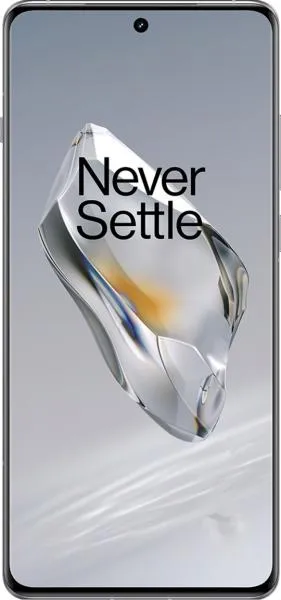
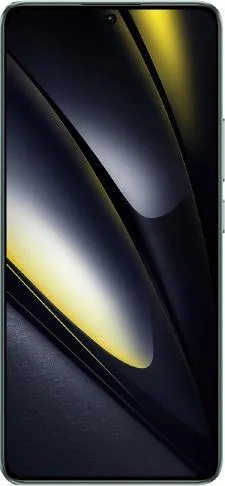
1. Specifications Comparison
| Feature | OnePlus 12 | Xiaomi Poco F6 | Practical Impact |
|---|---|---|---|
| Design | |||
| Dimensions | 164.3 x 75.8 x 9.2 mm | 160.5 x 74.5 x 8 mm | Poco F6 is slightly smaller and thinner, potentially more comfortable for one-handed use. |
| Weight | 220g | 179g | Poco F6 is noticeably lighter, reducing hand fatigue during extended use. |
| Build Materials | Missing | Missing | Cannot compare build quality and durability. |
| Display | |||
| Size | 6.82" | 6.67" | OnePlus 12 offers a slightly larger screen for more immersive content consumption. |
| Type | LTPO AMOLED | AMOLED | Both offer excellent color accuracy and deep blacks. LTPO allows for dynamic refresh rate adjustment on the OnePlus 12, potentially saving battery. |
| Resolution | 1440 x 3168 | 1220 x 2712 | OnePlus 12 has a significantly sharper display (510 ppi vs 446 ppi), resulting in crisper text and images. |
| Peak Brightness | 4500 nits | 2400 nits | OnePlus 12 is much brighter, ensuring better visibility in direct sunlight. |
| Refresh Rate | 120Hz | 120Hz | Both offer smooth scrolling and animations. |
| Performance | |||
| Chipset | Snapdragon 8 Gen 3 | Snapdragon 8s Gen 3 | OnePlus 12 features a newer, more powerful chipset, leading to better performance in demanding tasks and games. |
| CPU | Octa-core (1x3.3 GHz X4 & 3x3.2 GHz A720 & 2x3.0 GHz A720 & 2x2.3 GHz A520) | Octa-core (1x3.0 GHz X4 & 4x2.8 GHz A720 & 3x2.0 GHz A520) | OnePlus 12 has a higher clocked prime core and faster CPU configuration, resulting in noticeably faster processing speeds. |
| GPU | Adreno 750 | Adreno 735 | OnePlus 12 has a more powerful GPU, delivering smoother gaming and graphics performance. |
| RAM | 16GB | 12GB | OnePlus 12 offers more RAM for better multitasking and app switching performance. |
| Storage | 512GB | 512GB | Both offer ample storage. |
| Battery | |||
| Capacity | 5400 mAh | 5000 mAh | OnePlus 12 has a slightly larger battery capacity, potentially offering longer battery life. |
| Charging Speed | Missing | Missing | Cannot compare charging speeds. |
| Camera | |||
| Rear Camera Specs | Missing | Missing | Cannot compare camera quality and features. |
| Video Capabilities | Up to 8K@24fps | Up to 4K@60fps | OnePlus 12 offers higher resolution video recording (8K). |
2. Key Differences Analysis
OnePlus 12 Advantages:
- Superior Performance: The Snapdragon 8 Gen 3, coupled with 16GB RAM, provides a significant performance advantage for demanding tasks and gaming.
- Sharper and Brighter Display: The higher resolution and peak brightness result in a noticeably better visual experience.
- More Feature-Rich: LTPO display, 8K video recording, and potentially faster charging (unspecified).
Xiaomi Poco F6 Advantages:
- Lighter and More Compact: Easier to handle and carry.
- Potentially More Affordable: Both are mid-range, but the Poco F6 might be priced lower.
3. User Profiles & Recommendations
OnePlus 12: Users who prioritize performance, a premium display, and the latest technology. Ideal for power users, gamers, and content creators.
Xiaomi Poco F6: Users who prefer a lightweight and compact phone, prioritize affordability, and have moderate performance needs. Ideal for everyday users, social media enthusiasts, and budget-conscious buyers.
4. Decision Framework
Key Questions:
- What is your budget?
- What are your primary use cases (gaming, photography, social media)?
- Do you prioritize performance or portability?
Scenario-Based Recommendations:
- Gamer: OnePlus 12 for its superior performance and smoother gaming experience.
- Photographer/Videographer: OnePlus 12 for 8K video recording (assuming comparable camera sensor quality, which is unspecified).
- Everyday User: Poco F6 if budget is a constraint and a lightweight phone is preferred.
My Choice: OnePlus 12
While lacking some specifics like camera sensor details and charging speed, the OnePlus 12's significant advantages in performance, display quality, and feature set make it the more compelling choice for me. I prioritize a smooth and responsive user experience, especially for demanding tasks and gaming. The brighter, sharper display also enhances media consumption. While the Poco F6 offers advantages in portability and potential affordability, the OnePlus 12's superior overall package outweighs those benefits for my personal needs. The lighter weight of the Poco F6 is tempting, but the performance difference would be noticeable in daily use.
