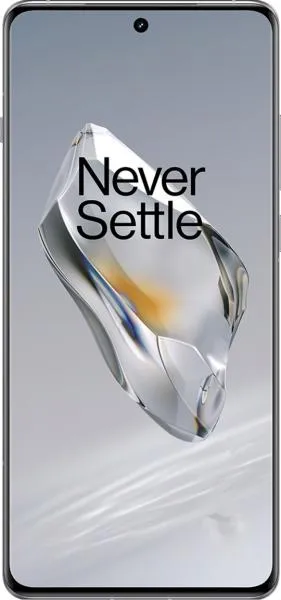
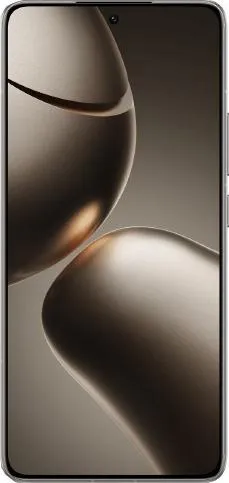
OnePlus 12 vs. Xiaomi 14T Pro: A Deep Dive for the Discerning User
The smartphone arena is heating up with the arrival of the OnePlus 12 and the Xiaomi 14T Pro. Both devices boast impressive specs on paper, but how do they translate to real-world performance? Let's dissect these contenders and uncover what truly sets them apart.
1. Specifications Breakdown
| Feature | OnePlus 12 | Xiaomi 14T Pro | Real-World Implications |
|---|---|---|---|
| Design | |||
| Dimensions | 164.3 x 75.8 x 9.2 mm | 160.4 x 75.1 x 8.4 mm | 14T Pro slightly smaller, potentially easier one-handed use |
| Weight | 220g | 209g | 14T Pro slightly lighter, reducing hand fatigue |
| Display | |||
| Size | 6.82" | 6.67" | OnePlus 12 offers a larger viewing area |
| Type | LTPO AMOLED | AMOLED | OnePlus 12's LTPO panel allows for dynamic refresh rate, saving battery |
| Resolution | 1440 x 3168 | 1220 x 2712 | OnePlus 12 boasts sharper visuals due to higher resolution |
| Refresh Rate | 120Hz | 144Hz | 14T Pro offers smoother scrolling and animations |
| Peak Brightness | 4500 nits | 4000 nits | OnePlus 12 excels in direct sunlight readability |
| Performance | |||
| Chipset | Snapdragon 8 Gen 3 | Dimensity 9300+ | Both are flagship chipsets, but benchmarks will determine real-world differences |
| CPU | Octa-core (1x3.3 GHz Cortex-X4 & 3x3.2 GHz Cortex-A720 & 2x3.0 GHz Cortex-A720 & 2x2.3 GHz Cortex-A520) | Octa-core (1x3.4 GHz Cortex-X4 & 3x2.85 GHz Cortex-X4 & 4x2.0 GHz Cortex-A720) | CPU configurations suggest intense multitasking capabilities on both devices |
| GPU | Adreno 750 | Immortalis-G720 MC12 | Gaming performance differences will depend on specific game optimization |
| RAM | 16GB | 12GB | OnePlus 12's larger RAM may offer smoother multitasking under heavy load |
| Storage | 512GB | 512GB | Both offer ample storage for apps, media, and files |
| Battery | |||
| Capacity | 5400 mAh | 5000 mAh | OnePlus 12 has a larger battery, potentially longer battery life |
| Other | |||
| OS | Android 14 | Android 14 | Both run the latest Android version |
2. Key Insights
The OnePlus 12 prioritizes a premium visual experience with its superior display resolution, brightness, and LTPO technology. The Snapdragon 8 Gen 3 and larger RAM suggest a performance edge, especially for demanding tasks. Its larger battery also promises extended usage.
The Xiaomi 14T Pro counters with a faster refresh rate display for incredibly smooth interactions, and the Dimensity 9300+ is no slouch. It also boasts a slightly lighter and more compact design. It has more video recording capabilities such as 1080p@960fps (HDR, EIS), which the OnePlus 12 doesn't have.
3. User Profiles and Recommendations
- OnePlus 12: Ideal for users who prioritize a stunning display, top-tier performance, and long battery life. Power users, content creators, and mobile gamers will appreciate its capabilities.
- Xiaomi 14T Pro: Suited for users who value a smooth and responsive display, a lightweight design, and excellent performance. Gamers focused on high frame rates and users sensitive to phone size and weight will find it appealing.
4. Buying Decision Framework
- Is display quality your top priority? If sharpness and brightness are paramount, the OnePlus 12's display is the clear winner. If you prioritize smooth scrolling and animations, the 144Hz refresh rate of the Xiaomi 14T Pro is compelling.
- How important is battery life? The OnePlus 12's larger battery capacity suggests an advantage in longevity.
- Are you a heavy multitasker or mobile gamer? While both phones are powerful, the OnePlus 12's combination of Snapdragon 8 Gen 3 and 16GB RAM might offer a slight edge in demanding scenarios.
My Choice: I would choose the OnePlus 12. While the Xiaomi 14T Pro offers a compelling package with its faster refresh rate and competitive chipset, the OnePlus 12's superior display, larger battery, and the potential performance advantage of the Snapdragon 8 Gen 3, coupled with 16GB of RAM, align more closely with my priorities. The slightly larger size doesn't deter me, as I prioritize screen real estate and image quality. The LTPO panel's ability to dynamically adjust the refresh rate is also a significant factor for balancing performance and battery life. Ultimately, the OnePlus 12 offers a more well-rounded premium experience that justifies the potential price difference.
