1. Specifications Comparison
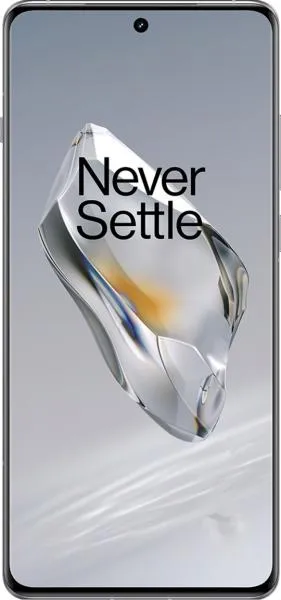
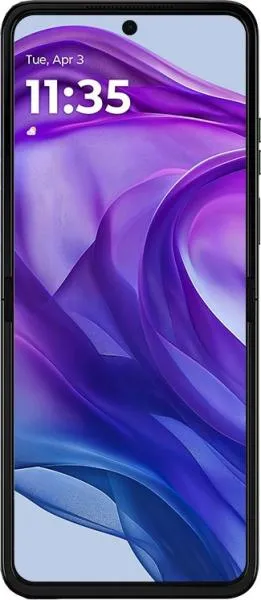
| Feature | OnePlus 12 | Motorola Razr 50 Ultra | Practical Impact |
|---|---|---|---|
| Design | |||
| Dimensions | 164.3 x 75.8 x 9.2 mm | 171.4 x 74 x 7.1 mm (folded) | Razr 50 Ultra significantly more compact when folded, easier pocketability. OnePlus 12 is thinner when unfolded. |
| Weight | 220g | 189g | Razr 50 Ultra noticeably lighter. |
| Foldable | No | Yes | Razr's foldable design offers unique portability and a smaller external display for quick interactions. |
| Display | |||
| Size | 6.82" | 6.9" (main), ~3.6" (cover) | Razr offers a large main display comparable to the OnePlus 12, plus a usable cover screen for notifications and basic tasks. |
| Type | LTPO AMOLED | Foldable LTPO AMOLED | Both offer excellent color accuracy and power efficiency. Razr's foldable display introduces a crease. |
| Resolution | 1440 x 3168 | 1080 x 2640 (main), | OnePlus 12 has a sharper display due to higher resolution. |
| Refresh Rate | 120Hz | 165Hz (main) | Razr offers smoother scrolling and animations on its main display. |
| Peak Brightness | 4500 nits | 3000 nits | OnePlus 12 significantly brighter outdoors. |
| Performance | |||
| Chipset | Snapdragon 8 Gen 3 | Snapdragon 8+ Gen 1 | OnePlus 12 boasts significantly better CPU and GPU performance, leading to faster app loading, smoother multitasking, and better gaming. |
| CPU | Octa-core (1x3.3 GHz X4 & 3x3.2 GHz A720 & 2x3.0 GHz A720 & 2x2.3 GHz A520) | Octa-core (1x3.0 GHz X4 & 4x2.8 GHz A720 & 3x2.0 GHz A520) | OnePlus 12 has a faster and more efficient CPU architecture. |
| GPU | Adreno 750 | Adreno 735 | OnePlus 12 has a more powerful GPU, beneficial for gaming and graphics-intensive tasks. |
| RAM | 16GB | 12GB | OnePlus 12 offers more RAM for better multitasking and app performance. |
| Storage | 512GB | 256GB | OnePlus 12 offers double the storage capacity. |
| Battery | |||
| Capacity | 5400 mAh | 3800 mAh | OnePlus 12 has significantly larger battery capacity, potentially leading to longer battery life. |
| Camera | |||
| Video Capabilities | Up to 8K@24fps | Up to 4K@60fps | OnePlus 12 supports higher resolution video recording (8K). Both offer advanced features like HDR and EIS. We lack detailed camera sensor specifications for comprehensive comparison. |
2. Key Differences Analysis
OnePlus 12 Advantages:
- Superior Performance: Significantly faster processor and GPU.
- Sharper Display: Higher resolution and peak brightness.
- Larger Battery: Potentially longer battery life.
- More RAM and Storage: Enhanced multitasking and ample space for files.
- 8K Video Recording: Higher resolution video capture.
Motorola Razr 50 Ultra Advantages:
- Foldable Design: Unique portability and form factor.
- Higher Refresh Rate (Main Display): Smoother animations and scrolling.
- Lighter Weight: More comfortable for extended use.
- External Display: Quick access to notifications and basic tasks without unfolding.
3. User Profiles & Recommendations
OnePlus 12: Users prioritizing performance, battery life, a large, bright display, and ample storage. Ideal for power users, gamers, and multimedia enthusiasts.
Motorola Razr 50 Ultra: Users valuing portability and a unique form factor above all else. The external display offers convenience for quick interactions. Suitable for users who prioritize compactness and style.
4. Decision Framework
Key Questions:
- How important is portability? Prioritize Razr 50 Ultra if ultimate pocketability is crucial.
- What are your performance needs? Choose OnePlus 12 for demanding tasks like gaming and heavy multitasking.
- What is your budget and desired feature set? Consider overall value based on your individual needs and price sensitivity.
My Choice: OnePlus 12
While the Razr 50 Ultra's foldable design is intriguing, the OnePlus 12's superior performance, larger battery, brighter display, and greater storage make it a more compelling overall package for my needs. I prioritize a smooth and powerful user experience, and the OnePlus 12's Snapdragon 8 Gen 3 chip, coupled with 16GB of RAM, ensures exactly that. The larger battery also addresses a key concern with modern smartphones – battery life. Although the Razr's foldable design is innovative, the potential compromises in performance and battery life, alongside the crease inherent in foldable displays, make the OnePlus 12 a more practical choice for me.
