1. Specifications Comparison
| Feature | OnePlus 12 | Motorola Edge 50 Pro | Practical Impact |
|---|---|---|---|
| Design | |||
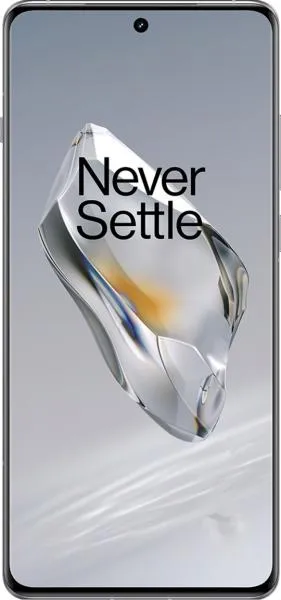
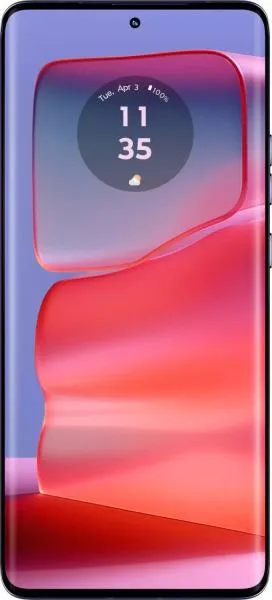
| Dimensions | 164.3 x 75.8 x 9.2 mm | 161.2 x 72.4 x 8.2 mm | The Motorola is slightly smaller and thinner, potentially making it more comfortable for one-handed use. |
| Weight | 220g | 186g | The Motorola is noticeably lighter, reducing hand fatigue during extended use. |
| Display | |||
| Size | 6.82" | 6.7" | Negligible difference in screen real estate. |
| Type | LTPO AMOLED | P-OLED | Both offer excellent color accuracy and deep blacks. LTPO allows for more granular refresh rate control, potentially saving battery. |
| Resolution | 1440 x 3168 | 1220 x 2712 | The OnePlus has a sharper display (higher pixel density), resulting in crisper text and images. |
| Refresh Rate | 120Hz | 144Hz | The Motorola offers a higher refresh rate, leading to smoother animations and scrolling. |
| Peak Brightness | 4500 nits | 2000 nits | The OnePlus display will be significantly more visible in direct sunlight. |
| Performance | |||
| Chipset | Snapdragon 8 Gen 3 | Snapdragon 7 Gen 3 | The OnePlus utilizes a flagship-level processor, offering significantly better performance for demanding tasks and gaming. |
| CPU | Octa-core (1x3.3 GHz Cortex-X4 & 3x3.2 GHz Cortex-A720 & 2x3.0 GHz Cortex-A720 & 2x2.3 GHz Cortex-A520) | Octa-core (1x2.63 GHz Cortex-A715 & 4x2.4 GHz Cortex-A715 & 3x1.8 GHz Cortex-A510) | The OnePlus CPU boasts higher clock speeds and a more powerful core architecture, translating to faster app loading, smoother multitasking, and improved responsiveness. |
| GPU | Adreno 750 | Adreno 720 | The OnePlus has a more powerful GPU, delivering superior gaming performance and graphics rendering. |
| RAM | 16GB | 12GB | The OnePlus offers more RAM, allowing for more apps to run in the background without performance slowdown. |
| Storage | 512GB | 256GB/512GB | Both offer ample storage; however, the base model Motorola has half the storage of the OnePlus. |
| Battery | |||
| Capacity | 5400 mAh | 4500 mAh | The OnePlus has a larger battery, potentially providing longer battery life. |
| Camera | |||
| Video Capabilities | 8K@24fps, 4K@30/60fps, 1080p@ up to 480fps | 4K@30fps, 1080p@ up to 120fps | The OnePlus offers superior video recording capabilities, including 8K resolution and higher frame rate options for slow-motion. Detailed camera sensor specifications are missing, limiting a comprehensive comparison. |
2. Key Differences Analysis
OnePlus 12 Advantages:
- Significantly more powerful: The Snapdragon 8 Gen 3 and 16GB RAM provide a substantial performance advantage for demanding tasks, gaming, and future-proofing.
- Brighter and sharper display: Offers better visibility outdoors and a more detailed viewing experience.
- Larger battery: Potentially longer battery life.
- Superior video recording: More resolution and frame rate options.
Motorola Edge 50 Pro Advantages:
- Lighter and more compact: Easier to handle and carry.
- Higher refresh rate: Smoother scrolling and animations.
- Potentially more affordable: While both are mid-range, the Motorola might be priced lower, especially the base model. (Specific pricing is missing.)
3. User Profiles & Recommendations
OnePlus 12: Ideal for power users, gamers, and those who prioritize performance, a bright and sharp display, and advanced camera features.
Motorola Edge 50 Pro: Suitable for users who prefer a lighter and more compact phone, value a smooth display, and prioritize affordability over peak performance.
4. Decision Framework
Key Questions:
- What is your budget? The OnePlus 12 is likely more expensive.
- What are your primary use cases? Gaming, content creation, or everyday tasks?
- Do you prioritize performance or portability? The OnePlus offers superior performance, while the Motorola is lighter and more compact.
My Choice: OnePlus 12
While the Motorola Edge 50 Pro offers a compelling combination of features and potentially a lower price, the OnePlus 12's significant performance advantage, brighter and sharper display, and larger battery make it the more appealing choice for me. I prioritize a smooth and responsive user experience, especially for demanding tasks and gaming. The superior video recording capabilities are also a significant factor. The extra weight and size are acceptable trade-offs for the substantial performance gains and better display. However, if budget is a primary concern and top-tier performance isn't essential, the Motorola Edge 50 Pro could be a viable alternative.
