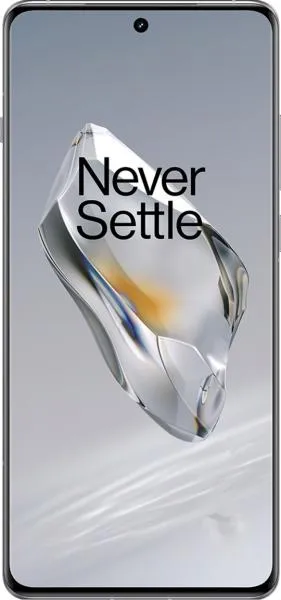
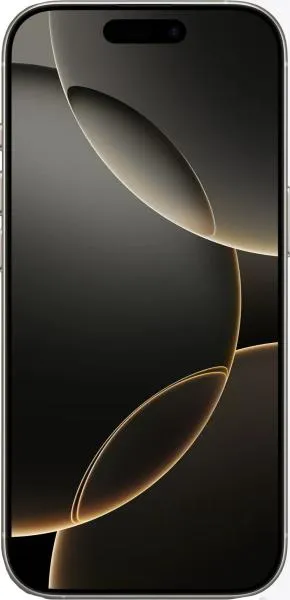
OnePlus 12 vs. iPhone 16 Pro: A Deep Dive
The smartphone landscape is ever-evolving, and 2024 brings us two compelling contenders: the OnePlus 12 and the Apple iPhone 16 Pro. Let's dissect their specifications and uncover what they offer the discerning user.
1. Specifications Breakdown
| Feature | OnePlus 12 | Apple iPhone 16 Pro | Real-World Implications |
|---|---|---|---|
| Design | |||
| Dimensions | 164.3 x 75.8 x 9.2 mm | 149.6 x 71.5 x 8.3 mm | iPhone 16 Pro noticeably smaller and lighter, potentially more pocketable. |
| Weight | 220g | 199g | OnePlus 12 feels more substantial, iPhone 16 Pro prioritizes portability. |
| Display | |||
| Size | 6.82" | 6.3" | OnePlus 12 offers significantly more screen real estate for media consumption and multitasking. |
| Type | LTPO AMOLED, 1B colors, 120Hz | LTPO Super Retina XDR OLED, 120Hz | Both offer smooth scrolling and vibrant colors, but OnePlus 12 boasts a larger color palette. |
| Peak Brightness | 4500 nits | 2000 nits | OnePlus 12 dramatically brighter outdoors, enhancing readability in direct sunlight. |
| Resolution | 1440 x 3168 | 1206 x 2622 | OnePlus 12 sharper due to higher pixel density (510 ppi vs 460 ppi). |
| Performance | |||
| Chipset | Snapdragon 8 Gen 3 (4nm) | Apple A18 Pro (3nm) | Both chips expected to deliver top-tier performance, A18 Pro likely with a slight edge in efficiency due to the smaller process node. |
| CPU | Octa-core (1x3.3 GHz Cortex-X4 & ...) | Hexa-core (2x4.05 GHz + 4x2.42 GHz) | Core configurations differ, but real-world performance will depend on optimization. |
| GPU | Adreno 750 | Apple GPU (6-core) | Gaming performance likely comparable, though specific benchmarks will reveal the true winner. |
| RAM | 16GB | 8GB | OnePlus 12 doubles the RAM, potentially benefiting heavy multitasking and future-proofing. |
| Storage | 512GB | 256GB, 512GB, 1TB | iPhone 16 Pro offers more storage options, catering to users with large media libraries. |
| Battery Life | |||
| Capacity | 5400 mAh | 3582 mAh | OnePlus 12 significantly larger battery, suggesting longer endurance. |
2. Key Insights
The OnePlus 12 leans towards maximizing specifications, offering a larger, brighter display, more RAM, and a bigger battery. Its focus is on power users who demand the best possible hardware. The iPhone 16 Pro, while powerful, emphasizes a refined user experience within Apple's tightly controlled ecosystem. Its strengths lie in software optimization, app ecosystem, and potentially superior camera performance (specifications not provided).
3. User Profiles and Recommendations
OnePlus 12: Ideal for Android enthusiasts, gamers, and power users who prioritize a large, vibrant display, long battery life, and maximum performance. The abundant RAM ensures smooth multitasking even with demanding applications.
iPhone 16 Pro: Best suited for users already invested in the Apple ecosystem who value a premium, seamless experience, consistent software updates, and a strong focus on privacy.
4. Buying Decision Framework
- What operating system do you prefer? This is the fundamental choice between Android's flexibility and iOS's simplicity.
- What's your budget? The OnePlus 12 is positioned as a "medium price" device, while the iPhone 16 Pro is "high price."
- What are your priorities? Larger screen and battery? Seamless software integration? These priorities will guide your decision.
Scenario: A photographer might lean towards the iPhone 16 Pro due to Apple's reputation for camera quality and its robust app ecosystem for photo editing. A mobile gamer, however, might prefer the OnePlus 12's larger display, powerful Snapdragon processor, and ample RAM for a superior gaming experience.
My Choice: OnePlus 12
While I appreciate the refined experience of iOS, I would choose the OnePlus 12. As a tech enthusiast who frequently pushes devices to their limits, the combination of a larger, brighter display, significantly more RAM, a massive battery, and the powerful Snapdragon 8 Gen 3 is compelling. The potential for longer battery life and smoother multitasking, especially given my demanding workflow, outweighs the advantages of the iPhone 16 Pro for my specific needs. While price is a factor, the "medium" range of the OnePlus 12 suggests a potentially higher value proposition given its superior hardware in several key areas. I am also drawn to the greater flexibility and customization options offered by the Android ecosystem.
