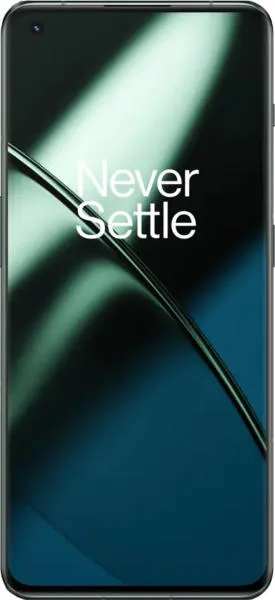
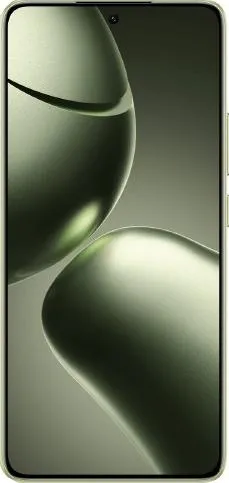
OnePlus 11 vs. Xiaomi 14T: A Deep Dive for the Discerning Smartphone User
The smartphone landscape is constantly evolving, with new contenders vying for your attention. Today, we'll dissect two compelling devices in the mid-range arena: the OnePlus 11 and the Xiaomi 14T. Let's move beyond the marketing hype and delve into the engineering realities to see which phone truly reigns supreme.
1. Specifications Breakdown
| Feature | OnePlus 11 | Xiaomi 14T | Real-World Implications |
|---|---|---|---|
| Design | |||
| Dimensions (mm) | 163.1 x 74.1 x 8.5 | 160.5 x 75.1 x 7.8 | Xiaomi 14T is slightly smaller and thinner, potentially offering a more comfortable one-handed grip. |
| Weight (g) | 205 | 193 | Xiaomi 14T is noticeably lighter, reducing hand fatigue during extended use. |
| Display | |||
| Size (inches) | 6.7 | 6.67 | Negligible difference in screen real estate. |
| Resolution (px) | 1440 x 3216 | 1220 x 2712 | OnePlus 11 boasts a sharper, more detailed display due to its higher resolution and pixel density. |
| Refresh Rate (Hz) | 120 (LTPO3) | 144 | Xiaomi 14T offers smoother animations and scrolling, but OnePlus 11's LTPO3 dynamically adjusts for better battery life. |
| Peak Brightness | 1300 nits | 4000 nits | Xiaomi 14T achieves significantly higher peak brightness, ensuring exceptional outdoor visibility. |
| Performance | |||
| Chipset | Snapdragon 8 Gen 2 | Dimensity 8300 Ultra | Snapdragon 8 Gen 2 generally delivers superior performance in demanding tasks and gaming. |
| CPU | Octa-core (3.2 GHz) | Octa-core (3.35 GHz) | While Xiaomi has a slightly higher clock speed, core architecture and overall optimization play a more crucial role. |
| GPU | Adreno 740 | Mali-G615 MC6 | Adreno 740 generally provides better gaming performance and graphics rendering. |
| RAM (GB) | 8/12/16 | 12 | Both offer ample RAM for multitasking, but OnePlus 11 offers more configuration options. |
| Camera | |||
| Main Sensor (MP) | 50 (Sony IMX890) | 50 (Sony IMX906) | Both use high-quality Sony sensors, likely resulting in excellent image quality. |
| Telephoto | 32 MP | 50 MP | Xiaomi 14T offers a higher resolution telephoto lens, potentially enabling better zoom capabilities. |
| Battery Life | |||
| Capacity (mAh) | 5000 | 5000 | Identical battery capacity; real-world battery life will depend on optimization and usage patterns. |
2. Key Insights
- Display Delight: The OnePlus 11's higher resolution display offers a noticeable sharpness advantage, making it ideal for media consumption and detail-oriented tasks. However, the Xiaomi 14T's incredibly high peak brightness wins out in direct sunlight.
- Performance Prowess: While the Dimensity 8300 Ultra is no slouch, the Snapdragon 8 Gen 2 in the OnePlus 11 generally provides a performance edge, particularly in graphics-intensive applications and gaming.
- Camera Conundrum: Both phones boast impressive camera systems. The OnePlus 11 utilizes the slightly older but well-regarded IMX890 sensor, while the Xiaomi 14T features the newer IMX906. The Xiaomi 14T's higher-resolution telephoto lens is a notable advantage for zoom enthusiasts.
- Battery Battle: With identical battery capacities, real-world battery life will likely hinge on software optimization and individual usage patterns. The OnePlus 11's LTPO display could contribute to longer battery life by dynamically adjusting its refresh rate.
3. User Profiles and Recommendations
- OnePlus 11: Ideal for users who prioritize a sharp, vibrant display, top-tier performance, and a well-rounded camera system. Power users, gamers, and media enthusiasts will appreciate its capabilities.
- Xiaomi 14T: Best suited for users who demand exceptional outdoor visibility, a strong camera with excellent zoom capabilities, and a smooth, high refresh rate display. Content creators, social media enthusiasts, and those who frequently use their phones in bright sunlight will find the 14T appealing.
4. Buying Decision Framework
- Is display sharpness or peak brightness more important to you? If you value crisp detail, lean towards the OnePlus 11. If outdoor visibility is paramount, the Xiaomi 14T is the clear winner.
- What's your performance priority? For demanding tasks and gaming, the OnePlus 11's Snapdragon 8 Gen 2 offers a performance advantage. For everyday use, the Xiaomi 14T provides ample power.
- What's your budget? While both are mid-range devices, compare prices in your region to see which offers better value for your specific needs.
My Choice: The OnePlus 11
While the Xiaomi 14T boasts impressive specifications, especially its display brightness and telephoto lens, I'd choose the OnePlus 11. The superior overall performance of the Snapdragon 8 Gen 2, combined with the sharper display and the slightly more premium feel often associated with OnePlus devices, makes it a more compelling package for my needs. I prioritize a smooth, responsive experience for productivity and occasional gaming, and the OnePlus 11's proven track record in these areas makes it the winner for me. While the Xiaomi 14T's 4000 nit peak brightness is tempting, I find that a sharp display and consistent performance are more valuable in my day-to-day usage.
