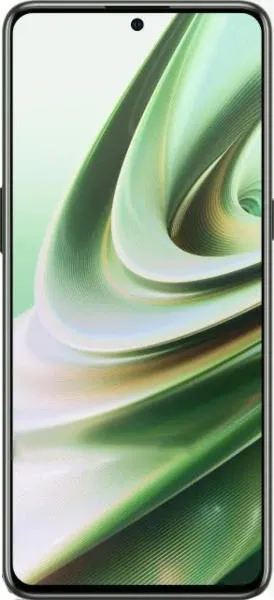
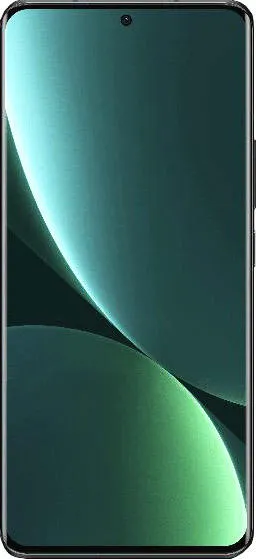
OnePlus 10T vs. Xiaomi 13 Pro: A Deep Dive for the Discerning Smartphone User
Hello fellow tech enthusiasts! Today, we're dissecting two powerhouses in the Android arena: the OnePlus 10T and the Xiaomi 13 Pro. Let's cut through the marketing hype and get down to the brass tacks of what truly matters: real-world performance and how these phones fit into your life.
1. Specifications Breakdown
| Feature | OnePlus 10T | Xiaomi 13 Pro | Real-World Implications |
|---|---|---|---|
| Design | |||
| Dimensions (H x W x D, mm) | 163 x 75.4 x 8.8 | 162.9 x 74.6 x 8.4 | Xiaomi 13 Pro is slightly more compact and thinner. |
| Weight (g) | 204 | 210 | Negligible difference in weight; both feel substantial in hand. |
| Display | |||
| Display Type | Fluid AMOLED, 120Hz | LTPO AMOLED, 120Hz | Both offer smooth scrolling and vibrant colors; Xiaomi boasts adaptive refresh rate for battery saving. |
| Resolution (pixels) | 1080 x 2412 | 1440 x 3200 | Sharper, more detailed visuals on the Xiaomi 13 Pro, especially noticeable in media consumption. |
| Peak Brightness (nits) | Unspecified | 1900 | Xiaomi offers significantly higher peak brightness, improving outdoor visibility. |
| Performance | |||
| Chipset | Snapdragon 8+ Gen 1 | Snapdragon 8 Gen 2 | Gen 2 provides noticeable performance gains, better efficiency, and improved AI capabilities. |
| CPU | Octa-core (up to 3.19 GHz) | Octa-core (up to 3.2 GHz) | Both offer top-tier performance; Gen 2 has architectural advantages for sustained performance. |
| GPU | Adreno 730 | Adreno 740 | Improved graphics rendering and gaming performance on the Xiaomi 13 Pro. |
| RAM | 8GB/12GB/16GB | 8GB/12GB | Ample RAM on both for multitasking; 16GB on 10T offers future-proofing, though likely overkill. |
| Camera | |||
| Main Camera | 50MP, Sony IMX766 | 50MP, Sony IMX989 | Xiaomi's 1-inch sensor captures more light and detail, particularly in low light. |
| Ultrawide | 8MP | 50MP | Vastly improved ultrawide on Xiaomi in terms of resolution and detail. |
| Telephoto | 2MP Macro | 50MP | Xiaomi offers a true telephoto lens with optical zoom, surpassing the 10T's basic macro lens. |
| Battery Life | |||
| Capacity (mAh) | 4800 | 4820 | Negligible difference in battery capacity. |
| Charging | 150W Wired | 120W Wired, 50W Wireless | OnePlus charges faster wired, but Xiaomi offers versatile wireless charging. |
2. Key Insights
The OnePlus 10T shines in raw charging speed, offering blazing-fast 150W wired charging that can top up your battery in minutes. Its performance, while not as cutting-edge as the Xiaomi 13 Pro, is still highly capable for demanding tasks and gaming.
The Xiaomi 13 Pro distinguishes itself with a superior display, boasting higher resolution, brighter visuals, and an adaptive refresh rate for optimized battery life. The camera system is a clear winner, with a larger main sensor, a high-resolution ultrawide, and a dedicated telephoto lens for versatile photography. The inclusion of wireless charging adds convenience.
3. User Profiles and Recommendations
OnePlus 10T: Ideal for users prioritizing absolute speed and value. Gamers on a budget, power users needing rapid charging, and those primarily consuming content will appreciate its performance and affordability.
Xiaomi 13 Pro: Suited for users demanding a premium, well-rounded experience. Photography enthusiasts, content creators, and those seeking the best display and overall performance will find the Xiaomi 13 Pro a worthwhile investment.
4. Buying Decision Framework
- What's your budget? The OnePlus 10T is significantly more affordable.
- Are camera capabilities a top priority? The Xiaomi 13 Pro offers a substantial upgrade in imaging.
- Do you value wireless charging? This is a differentiator for the Xiaomi 13 Pro.
My Choice: Xiaomi 13 Pro
While the OnePlus 10T offers incredible value and speed, I would choose the Xiaomi 13 Pro. The superior camera system, stunning display, and future-proof performance of the Snapdragon 8 Gen 2 are compelling. The added convenience of wireless charging, while not a deal-breaker, enhances the overall premium experience. For me, the Xiaomi 13 Pro represents a more holistic and future-oriented investment, justifying the higher price tag. I value the versatility and quality of the camera system, the immersive display, and the subtle but significant performance enhancements of the newer chipset. Those factors outweigh the 10T's advantages in charging speed and price for my personal needs and preferences.
