1. Specifications Comparison
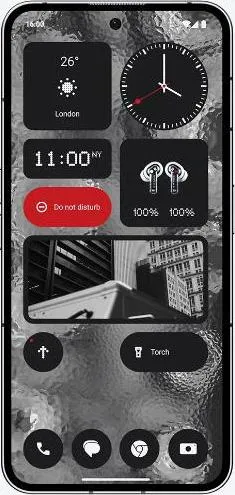
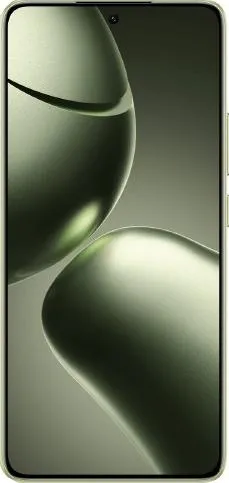
| Feature | Category | Nothing Phone (2) | Xiaomi 14T | Practical Impact |
|---|---|---|---|---|
| Dimensions | Design | 162.1 x 76.4 x 8.6 mm, 201.2g | 160.5 x 75.1 x 7.8 mm, 193g | The Xiaomi 14T is slightly smaller, thinner, and lighter, making it potentially more comfortable for one-handed use and pocket portability. |
| Build | Design | Glass front/back, aluminum frame | Missing Information | Build materials impact durability and premium feel. Without information on the Xiaomi 14T's build, a comparison cannot be made. |
| Display Type | Display | LTPO OLED, 1B colors | AMOLED, 68B colors | Both offer excellent color accuracy and deep blacks. The impact of the higher color depth on the Xiaomi 14T is debatable for most users in real-world usage. LTPO allows for dynamic refresh rate adjustment, potentially saving battery. |
| Display Size & Resolution | Display | 6.7", 1080 x 2412 (394 ppi) | 6.67", 1220 x 2712 (446 ppi) | The Xiaomi 14T has a slightly sharper display due to the higher resolution and pixel density. Content will appear more detailed and crisp. |
| Refresh Rate & Brightness | Display | 120Hz, 1600 nits (peak) | 144Hz, 4000 nits (peak) | The Xiaomi 14T offers a smoother scrolling and gaming experience with its higher refresh rate. Its significantly higher peak brightness will make it much more visible in direct sunlight. |
| Chipset | Performance | Snapdragon 8+ Gen 1 | Dimensity 8300 Ultra | Both are high-performance chipsets. Benchmark comparisons are needed to determine real-world performance differences. |
| CPU & GPU | Performance | Octa-core (1x3.0 GHz Cortex-X2 & 3x2.5 GHz Cortex-A710 & 4x1.80 GHz Cortex-A510), Adreno 730 | Octa-core (1x3.35 GHz Cortex-A715 & 3x3.20 GHz Cortex-A715 & 4x2.20 GHz Cortex-A510), Mali G615-MC6 | Specific core configurations and GPU differences require benchmarking for accurate performance comparison. |
| RAM & Storage | Performance | 12GB RAM, 256/512GB | 12GB RAM, 512GB | Both offer ample RAM for multitasking and sufficient storage for most users. |
| Battery Capacity | Battery | 4700 mAh | 5000 mAh | The Xiaomi 14T has a larger battery capacity, potentially leading to longer battery life. Actual battery life depends on usage patterns and software optimization. |
| OS | Software | Android 13, upgradable to 16 | Android 14 | Xiaomi 14T launches with a newer Android version, offering potential feature and security advantages. |
| Video Capabilities | Camera | 4K@30/60fps (HDR, OIS, EIS), 1080p@30/60fps (HDR, OIS, EIS) | 4K@24/30/60fps (HDR, EIS), 1080p@30/60/120/240/960fps (HDR, EIS) | The Xiaomi 14T offers more versatile video recording options, including higher frame rates for slow-motion video and a wider range of resolutions. Missing OIS on the 14T could impact video stability. |
| Main Camera Specs | Camera | Missing Information | Missing Information | Detailed camera sensor specifications (e.g., sensor size, aperture) are crucial for comparing image quality. |
2. Key Differences Analysis
Xiaomi 14T Advantages:
- Brighter and smoother display: The significantly higher peak brightness and 144Hz refresh rate provide a superior visual experience, especially outdoors and in fast-paced content.
- Larger battery: The 5000 mAh battery likely results in longer usage time between charges.
- More versatile video recording: Slow-motion capabilities and varied frame rate options offer greater creative control.
- Newer OS: Launching with Android 14 provides the latest features and security updates.
- Lighter and Slimmer Design: Easier to handle and carry in a pocket.
Nothing Phone (2) Advantages:
- Potentially better image stabilization for video: OIS presence suggests potentially smoother video footage compared to Xiaomi's EIS-only solution. This requires real-world testing to confirm.
- Dynamic refresh rate: LTPO technology allows for automatic adjustment of the refresh rate, potentially optimizing battery consumption.
3. User Profiles & Recommendations
Xiaomi 14T: Ideal for users who prioritize display quality, battery life, and versatile video recording. Gamers and heavy multimedia consumers would benefit from the high refresh rate and bright screen.
Nothing Phone (2): Suitable for users who value a balance of performance, features, and potentially better video stabilization. Those sensitive to battery life might appreciate the LTPO display.
4. Decision Framework
Key Questions for Buyers:
- How important is display quality and brightness? The Xiaomi 14T excels in this area.
- How much do you value battery life? The larger battery in the Xiaomi 14T suggests an advantage.
- What is your primary use case for video recording? The Xiaomi 14T offers more versatility, but the Nothing Phone (2) might provide better stabilization.
My Choice: Xiaomi 14T
While missing information prevents a completely thorough comparison, the Xiaomi 14T appears to be the stronger contender based on the available data. The significantly brighter and smoother display, combined with the larger battery and newer OS, outweighs the potential benefits of the Nothing Phone (2). The versatility in video recording options, although lacking OIS, also caters to a wider range of content creation needs. The slightly slimmer and lighter design is a bonus for everyday usability. While benchmark comparisons are necessary for definitive performance analysis, the advantages in key user experience areas make the Xiaomi 14T a compelling choice. However, if real-world testing reveals significantly better video stabilization on the Nothing Phone (2), my preference might shift.
