1. Specifications Comparison
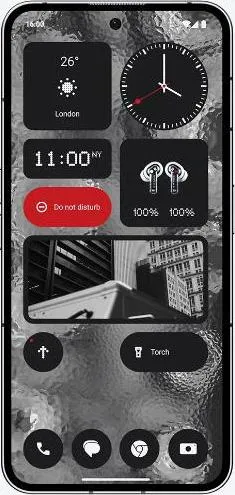
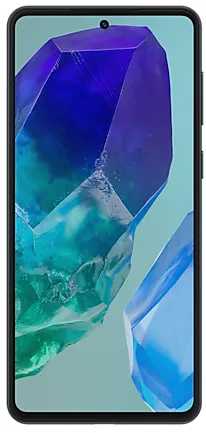
| Feature | Nothing Phone (2) | Samsung Galaxy M55 | Practical Impact |
|---|---|---|---|
| Design | |||
| Dimensions | 162.1 x 76.4 x 8.6 mm | 163.9 x 76.5 x 7.8 mm | M55 slightly taller and thinner. Negligible difference in hand feel. |
| Weight | 201.2 g | 180 g | M55 noticeably lighter, reducing hand fatigue during extended use. |
| Display | |||
| Size | 6.7" | 6.7" | Identical size. |
| Type | LTPO OLED, 1B colors | Super AMOLED+, 120Hz | Both offer excellent color and contrast. LTPO allows for more granular refresh rate control, potentially saving battery. Missing color depth info for M55. |
| Resolution | 1080 x 2412 | 1080 x 2400 | Virtually identical sharpness. |
| Refresh Rate | 120Hz | 120Hz | Both offer smooth scrolling and animations. |
| Peak Brightness | 1600 nits | 1000 nits (HBM) | Nothing Phone (2) significantly brighter outdoors. |
| Performance | |||
| Chipset | Snapdragon 8+ Gen 1 | Snapdragon 7 Gen 1 | Phone (2) boasts significantly higher CPU and GPU performance for demanding tasks and gaming. |
| CPU | Octa-core (1x3.0 GHz Cortex-X2 & 3x2.5 GHz Cortex-A710 & 4x1.80 GHz Cortex-A510) | Octa-core (1x2.4 GHz Cortex-A710 & 3x2.36 GHz Cortex-A710 & 4x1.8 GHz Cortex-A510) | Phone (2)'s superior core configuration translates to faster processing and multitasking. |
| RAM | 12GB | 8GB | More RAM in Phone (2) enables smoother multitasking and better performance with demanding apps. |
| Storage | 256GB/512GB | 256GB | Phone (2) offers a 512GB option for users needing more storage. |
| Camera | |||
| Video Capabilities | 4K@30/60fps (HDR, OIS, EIS) | 4K@30fps (OIS, EIS) | Phone (2) offers more versatile video recording options, including 4K@60fps and HDR. Missing detailed camera specs for both phones limit in-depth analysis. |
| Battery | |||
| Capacity | 4700 mAh | 5000 mAh | M55 has a larger battery, potentially offering longer battery life. However, Phone (2)'s LTPO display may offset this difference. Real-world usage will vary. |
2. Key Differences Analysis
Nothing Phone (2) Advantages:
- Significantly more powerful: The Snapdragon 8+ Gen 1 offers a substantial performance advantage for demanding tasks, gaming, and future-proofing.
- Brighter Display: Much higher peak brightness ensures better outdoor visibility.
- More RAM: 12GB ensures smoother multitasking and handles demanding applications better.
- More Versatile Video Recording: Offers 4K@60fps and HDR video recording.
Samsung Galaxy M55 Advantages:
- Lighter: Noticeably lighter, improving comfort during extended use.
- Larger Battery: Potentially longer battery life, although real-world usage depends on various factors.
- Potentially Lower Price: While both are mid-range, the M55 might be more affordable given the less powerful chipset.
3. User Profiles & Recommendations
Nothing Phone (2): Ideal for users who prioritize performance, a bright display, and smooth multitasking. Suitable for demanding tasks, gaming, and content creation.
Samsung Galaxy M55: Suitable for users who prioritize battery life, a lightweight design, and value for money. Best for everyday tasks, social media, and light gaming. May be a better choice for budget-conscious buyers.
4. Decision Framework
Key Questions for Buyers:
- What is your budget? The M55 is likely more affordable.
- What are your primary smartphone uses? Gaming and demanding tasks favor the Phone (2). Everyday use favors either, but the M55 might offer longer battery life.
- Do you prioritize performance or battery life? Phone (2) excels in performance, while M55 potentially offers longer battery life.
Scenario-Based Recommendations:
- Heavy gamer: Nothing Phone (2).
- Budget-conscious social media user: Samsung Galaxy M55.
- User who needs a bright screen for outdoor use: Nothing Phone (2).
My Choice: Nothing Phone (2)
While the Samsung Galaxy M55 offers a larger battery and lighter weight, the significant performance difference offered by the Snapdragon 8+ Gen 1 in the Nothing Phone (2) is crucial for me. I prioritize a smooth and responsive user experience, especially for multitasking and occasional gaming. The brighter display is also a significant advantage for outdoor usability. While battery life is important, I'm willing to sacrifice a little in that area for the superior overall performance and user experience of the Nothing Phone (2). The potential for longer software support due to the newer, more powerful chipset also makes the Phone (2) a more future-proof choice.
