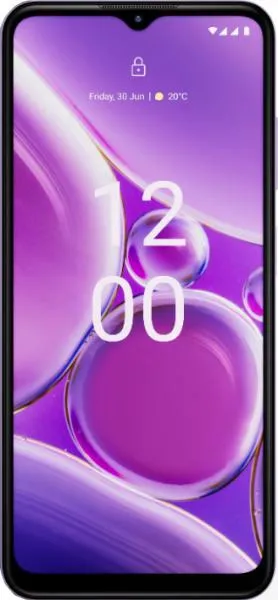
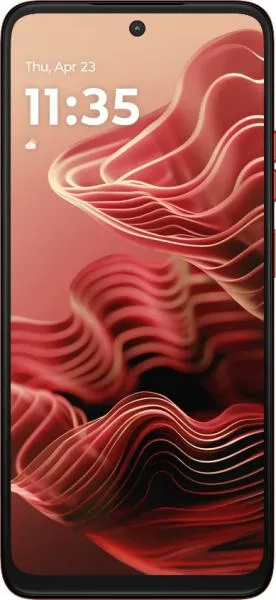
1. Specifications Comparison
| Feature | Nokia G42 | Motorola Moto G35 | Practical Impact |
|---|---|---|---|
| Design | |||
| Dimensions (mm) | 165 x 75.8 x 8.6 | 166.3 x 76 x 7.8 | Moto G35 is slightly larger but thinner. Negligible difference in everyday use. |
| Weight (g) | 193.8 | 188 | Nokia G42 is slightly heavier, but the difference is minimal. |
| Build Material | Not specified | Not specified | Cannot compare build quality and durability without more information. |
| Display | |||
| Display Size (inches) | 6.56 | 6.72 | Moto G35 offers a slightly larger screen for more immersive content consumption. |
| Resolution | 720 x 1612 | 1080 x 2400 | Moto G35 has a significantly sharper display (392 ppi vs 269 ppi), resulting in clearer text and images. |
| Refresh Rate (Hz) | 90 | 120 | Moto G35's 120Hz display provides smoother animations and scrolling compared to the 90Hz on the Nokia G42. |
| Display Type | IPS LCD | IPS LCD | Both use IPS LCD technology, offering good viewing angles but potentially lower contrast than OLED. |
| Peak Brightness (nits) | 560 | 1000 | Moto G35's higher peak brightness ensures better visibility in direct sunlight. |
| HDR | No | HDR10 | Moto G35 supports HDR10 for enhanced video quality with compatible content. |
| Performance | |||
| Chipset | Snapdragon 480+ 5G | Unisoc T760 | Unisoc T760 is generally considered a more powerful chipset than the Snapdragon 480+, leading to better performance in demanding tasks and games. |
| CPU | Octa-core (2x2.2 GHz Kryo 460 & 6x1.8 GHz Kryo 460) | Octa-core (1x2.2 GHz Cortex-A76 & 3x Cortex-A76 & 4x Cortex-A55) | Moto G35's CPU architecture suggests potentially better single-core performance. |
| GPU | Adreno 619 | Mali-G57 | Mali-G57 generally offers better graphics performance than Adreno 619, beneficial for gaming. |
| RAM | 4GB | 8GB (as tested) | Moto G35 offers more RAM in this comparison which allows for smoother multitasking and better performance with multiple apps open. |
| Camera | |||
| Main Camera (MP) | 50 | 50 | Both have 50MP main sensors, but image quality depends on sensor size, processing, and other factors not specified. |
| Other Cameras | 2MP Depth, 2MP Macro | 8MP Wide Angle | Moto G35 offers a more useful ultra-wide lens compared to the dedicated macro and depth sensors on the Nokia G42. |
| Video Recording | 1080p@30fps | 4K@30fps, 1080p@30fps | Moto G35 can record videos in higher resolution (4K). |
| Battery | |||
| Capacity (mAh) | 5000 | 5000 | Both have the same battery capacity. Actual battery life depends on usage and optimization. |
2. Key Differences Analysis
Motorola Moto G35 Advantages:
- Sharper Display: Higher resolution and refresh rate for a smoother and more visually appealing experience.
- More Powerful Performance: A more capable chipset and GPU deliver better performance for demanding tasks and gaming.
- Better Camera System: More versatile camera setup with an ultra-wide lens and 4K video recording.
- Brighter Display: Easier to see outdoors in bright sunlight.
Nokia G42 Advantages:
- Potentially Lower Price: Depending on specific configurations and market availability.
3. User Profiles & Recommendations
Motorola Moto G35: Suitable for users who prioritize display quality, performance, and camera versatility. Ideal for gaming, media consumption, and content creation.
Nokia G42: Suitable for budget-conscious users who prioritize basic functionality and 5G connectivity. Best for everyday tasks like calling, texting, browsing, and light media consumption.
4. Decision Framework
Key Questions for Buyers:
- What is your budget? The Nokia G42 might be a more affordable option.
- What are your primary use cases? For demanding tasks and media consumption, the Moto G35 is superior.
- How important is display and camera quality? The Moto G35 offers a noticeable improvement in these areas.
My Choice: Motorola Moto G35
While specific pricing information isn't available for direct comparison, the Motorola Moto G35 offers significant advantages in display quality, performance, and camera versatility. The sharper screen, higher refresh rate, more powerful processor, and inclusion of an ultra-wide lens make it a more compelling device for most users. While the Nokia G42 might be a viable option for budget-conscious buyers primarily needing basic functionality, the Moto G35's superior user experience justifies the potential price difference for a broader range of use cases. The jump to a 120hz display alone significantly impacts daily use and perceived speed. Couple that with the superior camera system and more powerful chipset, the Moto G35 is a clear winner.
