1. Specifications Comparison
| Feature | Nokia G42 | Asus ROG Phone 8 | Practical Impact |
|---|---|---|---|
| Design | |||
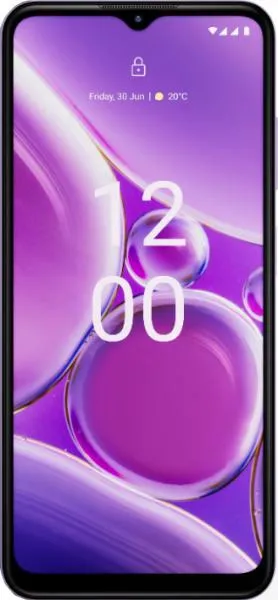
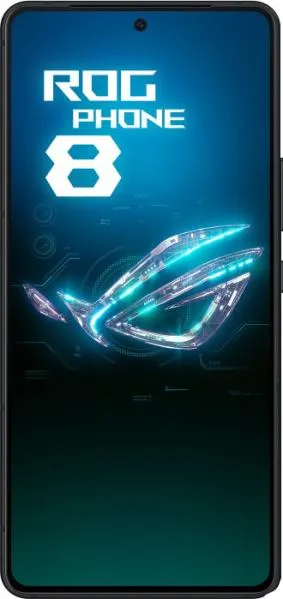
| Dimensions (mm) | 165 x 75.8 x 8.6 | 163.8 x 76.8 x 8.9 | ROG Phone 8 slightly shorter and wider, negligible difference in thickness. |
| Weight (g) | 193.8 | 225 | ROG Phone 8 noticeably heavier (31.2g). Can impact one-handed use and portability. |
| Build Materials | Not specified | Not specified | Cannot compare build quality and durability. |
| Display | |||
| Display Type | IPS LCD | AMOLED | AMOLED offers superior contrast, deeper blacks, and potentially better power efficiency. |
| Display Size (inches) | 6.56 | 6.78 | ROG Phone 8 has a larger display, providing more immersive content consumption. |
| Resolution | 720 x 1612 | 1080 x 2400 | ROG Phone 8 significantly sharper due to higher resolution (388 ppi vs 269 ppi). Impacts clarity of text, images, and videos. |
| Refresh Rate (Hz) | 90 | 165 | ROG Phone 8 has a much higher refresh rate, resulting in smoother animations and scrolling. Noticeable difference in responsiveness, especially in gaming. |
| Peak Brightness | 560 nits (peak) | 2500 nits (peak) | ROG Phone 8 significantly brighter, ensuring better visibility outdoors. |
| Performance | |||
| Chipset | Snapdragon 480+ 5G (8nm) | Snapdragon 8 Gen 3 (4nm) | ROG Phone 8 vastly more powerful. Expect significantly better performance in demanding tasks and gaming. |
| CPU | Octa-core (2x2.2 GHz Kryo 460 & 6x1.8 GHz Kryo 460) | Octa-core (1x3.3 GHz Cortex-X4 & 3x3.2 GHz Cortex-A720 & 2x3.0 GHz Cortex-A720 & 2x2.3 GHz Cortex-A520) | ROG Phone 8 has a more powerful and efficient CPU architecture. |
| GPU | Adreno 619 | Adreno 750 | ROG Phone 8 has a much more powerful GPU. Expect significantly better gaming performance and graphics rendering. |
| RAM | 4/6/8 GB | 12/16 GB | ROG Phone 8 offers significantly more RAM, enabling smoother multitasking and better performance with demanding apps. |
| Camera | |||
| Main Camera | 50MP | 50MP (Sony IMX890) | ROG Phone 8 utilizes a higher-quality sensor (Sony IMX890), potentially resulting in better image quality. |
| Video Recording | 1080p@30fps | 8K@24fps, 4K@60fps | ROG Phone 8 offers significantly higher video resolution and frame rates. |
| Battery | |||
| Capacity (mAh) | 5000 | 5500 | ROG Phone 8 has a slightly larger battery capacity. Actual battery life depends on usage and optimization. |
2. Key Differences Analysis
Nokia G42 Advantages:
- Potentially Lower Price: Likely more affordable than the ROG Phone 8.
- Lighter Weight: Easier for one-handed use and portability.
Asus ROG Phone 8 Advantages:
- Significantly Higher Performance: Superior CPU, GPU, and RAM for demanding tasks and gaming.
- Superior Display: AMOLED with higher resolution, refresh rate, and brightness.
- Better Camera System: Higher quality sensor and advanced video recording capabilities.
- Larger Battery: Potentially longer battery life.
- More Advanced Connectivity: WiFi 7, Bluetooth 5.3, and DisplayPort 1.4.
Trade-offs:
- Price: The ROG Phone 8's advanced features come at a higher price.
- Weight: The ROG Phone 8 is heavier, potentially impacting portability.
3. User Profiles & Recommendations
Nokia G42:
- Ideal User: Budget-conscious users prioritizing basic smartphone functionality (calling, texting, social media).
- Use Cases: Casual web browsing, social media, light gaming, basic photography.
Asus ROG Phone 8:
- Ideal User: Gamers, power users, and content creators who demand top-tier performance and a premium multimedia experience.
- Use Cases: Demanding mobile gaming, video editing, content creation, multitasking, high-quality media consumption.
4. Decision Framework
Key Questions for Buyers:
- What is your budget? The Nokia G42 is a budget-friendly option, while the ROG Phone 8 is a premium device.
- What are your primary use cases? For basic tasks, the G42 is sufficient. For demanding tasks and gaming, the ROG Phone 8 is necessary.
- Do you prioritize portability and one-handed use? The G42 is lighter and easier to handle.
Scenario-Based Recommendations:
- Limited Budget, Basic Usage: Nokia G42
- Heavy Gamer, Power User: Asus ROG Phone 8
- Balance of Performance and Price: Consider other options in the mid-range segment.
My Choice: Asus ROG Phone 8
While significantly more expensive, the Asus ROG Phone 8 offers a substantial upgrade in performance, display quality, and camera capabilities. The Snapdragon 8 Gen 3, coupled with the high refresh rate AMOLED display and ample RAM, ensures a smooth and responsive experience even for the most demanding tasks. As someone who values performance and a premium user experience, the ROG Phone 8's advantages outweigh the higher price and increased weight. The Nokia G42 is a decent budget option, but it lacks the power and features I desire in a smartphone.
